3 Key Factors That Affect How Much It Does Cost to Ship a Bike
When you ship a bike, three key factors really affect how much it costs: package size and weight, carrier choice, and timing. Bigger or heavier packages usually come with extra fees, especially if they go over standard size limits. So, it’s smart to know the dimensions and weight of your bike before you start.
Your choice of carrier and the service level you pick also play a big role in the price. Want faster delivery? That usually means paying more.
Plus, don’t forget about seasonal surcharges — rates can go up during holidays or busy times of the year.
Knowing these factors helps you avoid surprises and manage your shipping expenses better. Keep reading to find out how each part influences your shipping price and get tips to save some cash along the way!
Package Size and Weight Impact on Shipping Costs
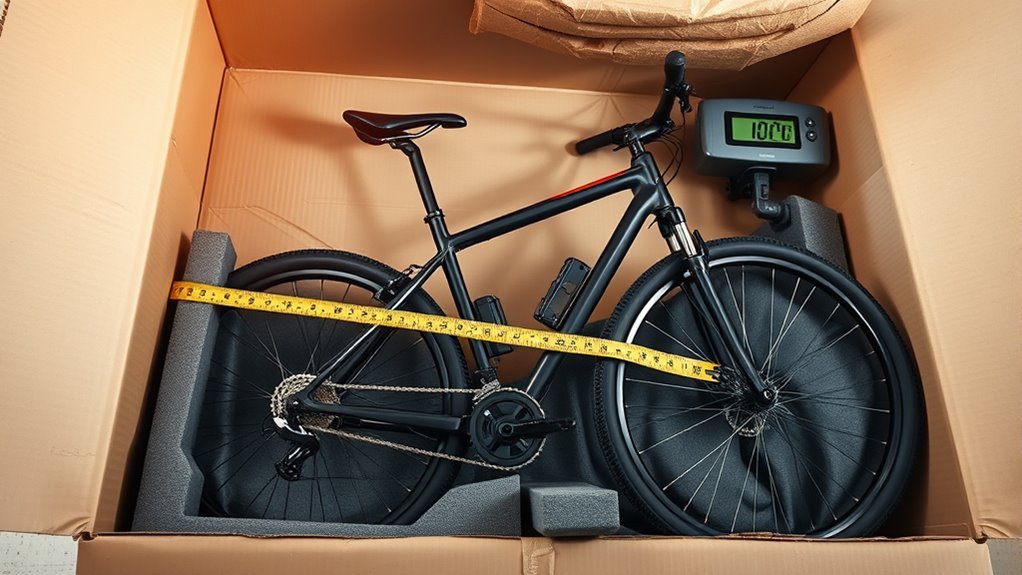
When you ship a bike, the size and weight of your package directly affect the cost. Larger box dimensions, especially those exceeding 54 inches in length or surpassing 165 inches in combined length and girth, can trigger an oversized surcharge that raises shipping costs.
The weight of your bike also matters—packages over 30-40 pounds may push shipping rates higher or exceed carrier limits, sometimes requiring special handling. To keep costs down, focus on size reduction by disassembling your bike and using packing materials that minimize bulk.
Since carriers often calculate dimensional weight based on volume rather than actual weight, reducing box dimensions can considerably lower fees. By optimizing your package size and weight, you avoid extra charges and ensure more affordable shipping rates.
Choice of Shipping Carrier and Service Level
Reducing your bike’s package size and weight can help control shipping costs, but the carrier and service level you choose play an equally important role. Different shipping carriers like USPS, UPS, FedEx, BikeFlights, and ShipBikes offer various shipping options that affect your total cost.
Choosing the right carrier and service level is just as crucial as minimizing your bike’s package size and weight.
Here’s what to contemplate: Standard ground services usually offer the lowest shipping costs but have longer transit time. Expedited shipping speeds up delivery but can cost $320 to over $1,000.
Carrier policies on size and weight limits influence available service levels and prices. International shipping and oversized shipment fees are higher and depend on chosen service level.
Comparing carriers’ service level options helps you balance cost and delivery speed effectively. So, it’s worth taking the time to weigh your priorities before making a decision.
Additional Fees and Seasonal Price Variations
Although base shipping rates set the foundation, additional fees and seasonal price variations can considerably impact your overall bike shipping cost.
During peak seasons like holidays and Black Friday, seasonal rate adjustments often increase shipping fees by 10-30%. If you’re shipping internationally, expect costs to start around $200 but spike above $2,000 during high-demand periods or for urgent deliveries.
Be aware of surcharges for oversized bikes, hazardous materials, or batteries, which also fluctuate seasonally. Planning your shipment outside these peak seasons can help you avoid hefty surcharges and take advantage of discounts.
Ultimately, understanding how these additional fees and seasonal shifts affect shipping costs lets you budget better and choose the most favorable time to send your bike without unexpected expenses.
Conclusion
Shipping your bike smoothly starts by sizing and selecting smartly. You’ll want to weigh your options wisely, choosing carriers and services that suit your speed and savings.
Don’t forget to factor in fees and fluctuating seasonal fares, which can sneakily spike your spend. By paying close attention to package particulars and pricing patterns, you can pedal past pricey pitfalls and make sure your bike’s journey is both budget-friendly and breezy.
Remember, the key factors that affect how much it does cost to ship a bike include the size and weight of your package, the choice of shipping carrier, and seasonal pricing changes. Keeping these in mind helps you find a balance between cost and convenience. So, take your time to compare options and plan ahead—this way, your bike shipping experience will be smooth, affordable, and hassle-free.