
10 Factors That Affect How Long It Does Take to Bike 5 Miles
Several factors affect how long it takes you to bike 5 miles, including your fitness level, experience, and riding technique. These personal aspects can really change your pace and overall time on the bike.
Your bike type and proper maintenance also play a big role in how smoothly and quickly you ride.
The route you choose and current weather conditions make a difference too. Riding uphill or against a strong wind will slow you down.
Traffic, stoplights, and how well you handle different terrains further impact your time.
By understanding these influences, you can improve your speed and efficiency—and uncover even more tips that make a real difference.
So next time you’re out biking, keep these factors in mind to make your 5-mile ride quicker and more enjoyable!
Key Takeaways
- Rider fitness, experience, and pedaling technique significantly influence the time taken to bike 5 miles. These factors can make a big difference in how quickly you finish.
- Bike type, maintenance, and equipment quality affect speed and overall ride efficiency. A well-kept bike can help you go faster with less effort.
- Route terrain, elevation changes, and weather conditions impact cycling duration and effort. Hills and wind can slow you down quite a bit.
- Traffic congestion and stoplights cause delays and reduce average cycling speed. Stopping frequently really adds up.
- Choosing flat, direct routes with minimal stops optimizes 5-mile biking times. Planning ahead can save you time and energy.
How Long Does It Typically Take to Bike 5 Miles?
Although the time it takes to bike 5 miles varies, most riders complete the distance between 15 and 20 minutes. This range reflects an average speed that balances effort and conditions, giving you a realistic benchmark for your cycling performance.
Beginners might take closer to 20-25 minutes, especially if the terrain challenges you or your fitness level isn’t fully developed yet. On the other hand, elite cyclists can finish in as little as 12-15 minutes, pushing their average speed higher on flat, smooth routes.
Your personal cycling performance depends heavily on factors like the route’s terrain, weather conditions, your bike type, and your riding experience. Keeping track of your average speed over 5 miles can help you gauge progress and set goals.
How Fitness Level Changes Your 5-Mile Bike Time

When you improve your fitness level, you’ll find that your 5-mile bike time drops noticeably. Higher fitness levels let you sustain faster speeds, cutting down the time it takes to cover this distance.
Well-conditioned cyclists typically finish 5 miles in 15-18 minutes, while those less fit might take 20-25 minutes or more. This improvement comes from enhanced cardiovascular endurance, allowing you to maintain a higher average speed throughout your ride.
Well-conditioned cyclists complete 5 miles in 15-18 minutes, thanks to improved cardiovascular endurance and higher average speeds.
Moreover, increased muscular strength boosts your pedaling power, especially on hills or tougher terrain. This further decreases your overall time.
Regular aerobic training and consistent riding sharpen your cycling efficiency by improving how effectively your body uses energy. As your fitness level climbs, you’ll notice you can push harder and recover quicker during rides.
In short, investing in your fitness directly translates to faster, more efficient 5-mile bike rides. It’s pretty rewarding once you start seeing those time improvements!
How Experience and Technique Improve Your 5-Mile Ride

As you build your cycling skills, you’ll pedal more efficiently and ride smoother. Mastering techniques helps you handle different terrains with confidence, cutting down your time.
With experience, you’ll know how to maintain speed and control throughout your 5-mile ride. It just gets easier and more fun the more you practice!
Skill Development Benefits
Gaining experience and refining your technique can dramatically cut down your 5-mile cycling time. Through skill development, you’ll notice your average speed steadily improves as you become more comfortable on the bike.
Regular practice builds muscle memory and stamina, helping you maintain faster paces and tackle hills with less effort. As you train, you’ll naturally optimize your body positioning and energy use, allowing you to ride more efficiently.
Incorporating interval workouts and skill drills sharpens your focus and pacing, preventing unnecessary stops and keeping your momentum steady. Over time, this combination of physical and mental growth lets you complete 5 miles much quicker than when you first started.
It really transforms your rides from a slow endurance test to a smooth, faster experience.
Efficient Pedaling Techniques
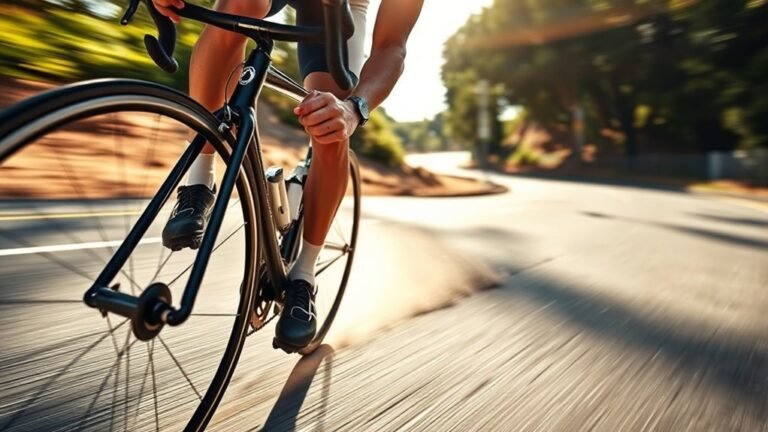
Though mastering efficient pedaling techniques takes time, refining your pedal stroke can boost your cycling speed by up to 10%. Improving pedaling efficiency means focusing on a smooth, circular motion and maintaining an ideal cadence, usually between 80-100 RPM.
Here’s how you can enhance your 5-mile ride:
- Practice a smooth, circular pedaling motion to reduce energy wastage.
- Aim for a consistent cadence of 80-100 RPM to sustain speed.
- Adjust your bike fit and posture to minimize fatigue and maximize power.
- Incorporate interval training to improve your overall pedaling efficiency and speed.
Give these tips a try, and you’ll likely notice a difference in your ride!
Navigating Terrain Confidently
Mastering efficient pedaling sets a strong foundation, but confidently handling different terrain takes your 5-mile ride to the next level. When you develop the right technique for steering hills and technical sections, you conserve energy and maintain speed.
Using appropriate gears on climbs prevents you from slowing down drastically, while sharp turns become smoother with practiced bike handling. Familiarity with the terrain also lets you anticipate challenges, so you adjust your pacing and technique accordingly.
Experienced cyclists often complete 5 miles in 15-16 minutes by combining these skills. By building confidence in maneuvering varied terrain, you minimize momentum loss and cut down your overall time.
Focus on refining your technique to steer terrain confidently, and you’ll see a noticeable improvement in your 5-mile ride performance.
Why Your Bike Type Makes a Big Difference
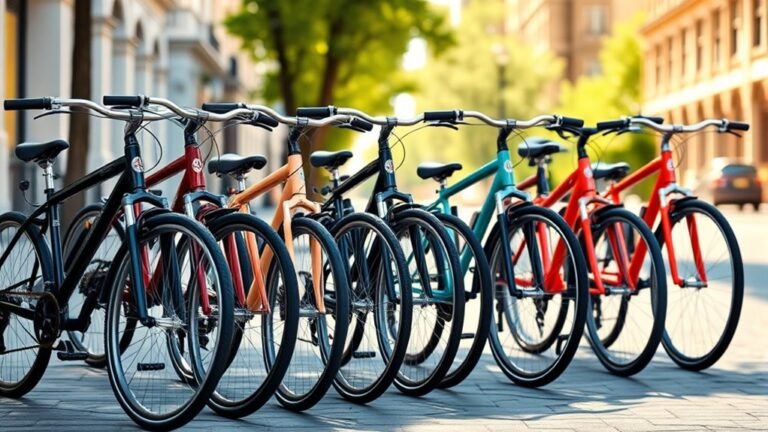
Your choice of bike can seriously impact your 5-mile time. Road bikes give you a speed advantage with their lightweight design, while mountain bikes tend to slow you down on smooth roads.
If you want to cut your time even more, electric bikes provide motor assistance that saves effort and boosts your pace. It’s like having a little extra power when you need it most!
Road Bikes Speed Advantage
Because road bikes are built to be lightweight and aerodynamic, they give you a clear speed advantage over mountain or hybrid bikes on flat terrain. Their design helps you maintain higher speeds over 5 miles, making your ride faster and more efficient.
Here’s how road bikes boost your speed:
- Narrow tires and streamlined frames reduce rolling resistance.
- Proper bike fit and optimized gearing improve pedaling efficiency.
- Aerodynamic riding position minimizes wind resistance.
- Lightweight materials support sustained high speeds.
Pretty cool, right? These features all work together to help you ride smoother and faster without extra effort.
Mountain Bikes Slower Pace
While road bikes help you zip through 5 miles with ease, mountain bikes tend to slow you down on paved roads. If you’re riding a mountain bike, expect a slower pace due to its heavier weight and wider tires, which increase rolling resistance.
The rugged tires and suspension systems create more friction and absorb energy, making your ride less efficient on smooth surfaces. Since mountain bikes are designed for off-road trails, they’re bulkier and require more effort to maintain speed on flat or downhill stretches.
Electric Bikes Time Saver
Although traditional bikes rely solely on your pedaling power, electric bikes give you a significant boost that can slash your 5-mile ride time dramatically. Choosing electric bikes is a major time saver because they help you maintain higher speeds and reduce effort.
Here’s why:
- Class 1 e-bikes let you cover 5 miles in about 3 minutes by assisting speeds up to 20 mph.
- Motor assistance helps you sustain average speeds over 15 mph, faster than traditional bikes.
- E-bikes conserve your energy, letting you tackle hills without slowing down.
- Some assist modes enable riders to finish 5 miles in just over 2 minutes.
If you want to cut your ride time nearly in half, electric bikes are the smart choice for quick, efficient cycling.
Key Bike Maintenance Tips to Maximize Your Riding Speed
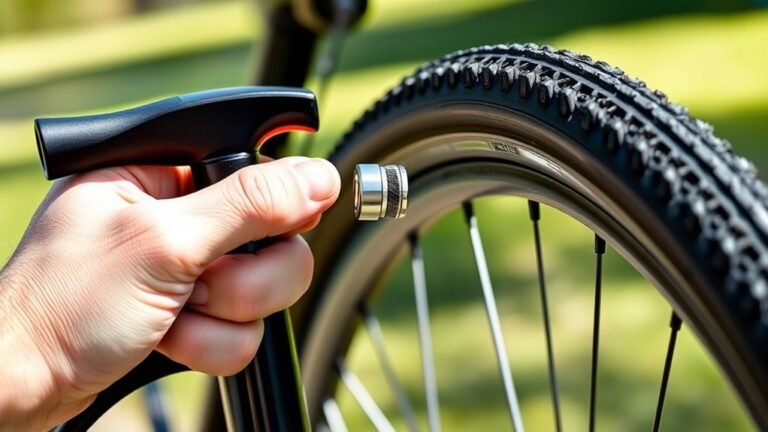
To maximize your riding speed, you need to keep your bike in top condition by regularly checking tire pressure, lubricating moving parts, and adjusting gears for smooth pedaling. Maintaining proper tire pressure is vital—it reduces rolling resistance, letting you glide faster with less effort.
Make sure your tires are inflated to the recommended PSI to avoid unnecessary drag. Bike maintenance also means keeping chains, derailleurs, and brakes clean and well-lubricated, which guarantees efficient power transfer and smooth gear shifts.
Don’t overlook gear adjustments; properly tuned gears help you pedal effortlessly and sustain a steady cadence. Regularly inspect brake pads and tires, replacing them when worn to prevent slowdowns from drag or flats.
Finally, guarantee your bike frame and saddle fit you well, optimizing aerodynamics and reducing fatigue. By sticking to these maintenance tips, you’ll boost your speed and enjoy a smoother, faster 5-mile ride every time.
How Terrain and Elevation Affect Your 5-Mile Bike Ride
Keeping your bike in peak condition sets the stage for faster rides, but the terrain you face plays a huge role in how quickly you’ll cover those 5 miles. Different types of terrain and elevation changes affect your pace and effort levels in noticeable ways.
Here’s how terrain and elevation shape your ride:
- Uphill terrain demands more energy, with steeper hills adding several minutes to your 5-mile time. It’s definitely tougher going up, so expect to slow down.
- Flat terrain lets you maintain steady, faster speeds—often under 15 minutes at moderate effort. This is where you can really find your rhythm.
- Downhill stretches can speed you up considerably, sometimes reaching over 30 mph, though you need to prioritize safety. It’s a great chance to catch your breath.
- Elevation changes cause inconsistent pacing, making it tough to keep a steady speed. You’ll have to adapt as you go.
Knowing the steepness and length of inclines or declines helps you anticipate how terrain and elevation will impact your overall ride time. Adjust your effort accordingly, and you’ll manage your 5-mile ride more efficiently.
How Weather Affects Your 5-Mile Bike Time
When you ride your bike, weather conditions can dramatically change how fast you cover 5 miles. Wind resistance plays a huge role—strong headwinds can slow you down by up to 50%, making your ride take much longer.
Since wind resistance increases exponentially with speed, riding fast against a tough breeze feels even harder. Rain and wet roads also affect your time by reducing tire traction, forcing you to slow down for safety.
Extreme temperatures impact your physical endurance too; hot or cold weather can tire you out quicker, lowering your overall speed. On the other hand, clear skies and light breezes create ideal weather that helps you maintain higher speeds and finish your 5-mile ride faster.
How Traffic and Stoplights Impact Your 5-Mile Ride
When you ride through busy streets, stoplights and traffic congestion can seriously slow you down. Frequent stops force you to lose momentum, adding precious minutes to your 5-mile time.
Choosing routes with fewer signals can help you maintain a steady pace and reach your destination faster. It’s all about keeping that flow going without too many interruptions.
Stoplight Delays
Although riding five miles might seem quick, stoplight delays can add several minutes to your trip, especially during peak traffic hours. In urban areas, frequent stops at red lights slow you down, making your ride longer than expected.
Here’s how stoplight delays affect your 5-mile bike ride:
- Each red light pause lasts from 30 seconds to over a minute, depending on signal timing.
- Multiple stoplights in high-traffic urban areas can add 10 or more minutes to your ride.
- Stop-and-go riding reduces your overall average speed.
- Well-synchronized traffic lights along your route can cut down delays and boost your cycling speed.
Understanding these factors helps you plan more efficient routes and manage your time better on urban rides. It’s all about knowing what to expect so you’re not caught off guard.
Traffic Congestion Effects
Since traffic congestion forces frequent stops and slowdowns, it can considerably increase the time it takes you to bike five miles. Heavy traffic means you’ll often have to pause at stoplights or wait behind vehicles, disrupting your rhythm and reducing your average speed.
In urban areas with dense traffic, your ride could take up to 25% longer than on quieter routes. Maneuvering through congestion also forces you to slow down or stop unexpectedly, adding precious minutes to your journey.
To cut down on delays, plan your rides during off-peak hours or choose routes that avoid busy roads. By steering clear of heavy traffic and congestion, you’ll maintain a smoother, faster pace and complete your five-mile ride more efficiently.
How Route Choice Influences Your Total 5-Mile Bike Time
Because your route choice directly impacts your speed and energy, picking the right path can dramatically cut down your 5-mile bike time. When selecting a route, consider how distance, terrain, and traffic influence your overall performance.
Here are four key factors to keep in mind:
- Choose a direct, flat route with well-paved surfaces to minimize elevation changes and reduce surface resistance. This makes your ride smoother and faster.
- Opt for paths with dedicated bike lanes or protected trails to avoid traffic, stoplights, and interruptions that slow you down.
- Avoid steep hills and technical terrain to maintain momentum and conserve energy throughout your 5-mile distance.
- Plan your route to take advantage of wind direction—riding with a tailwind can boost your speed and cut your total time.
How Nutrition and Hydration Boost Your 5-Mile Cycling Performance
When you fuel your body properly and stay hydrated, you’ll notice a significant boost in your 5-mile cycling performance. Proper hydration before and during your ride improves endurance and helps maintain a steady pace, potentially cutting your time by up to 10%.
Dehydration—even a 2% loss in body water—can decrease muscle strength and coordination, slowing you down. Drinking water regularly prevents cramps and overheating, letting you sustain ideal speed throughout.
Nutrition plays an essential role, too. Consuming easily digestible carbs like energy gels or bananas gives you quick energy, preventing fatigue and enabling higher speeds over the 5 miles.
Balanced meals rich in carbohydrates, proteins, and healthy fats enhance your overall energy levels and cycling efficiency. By prioritizing hydration and nutrition, you’ll power through your ride stronger and faster, shaving precious minutes off your 5-mile bike time.
Frequently Asked Questions
How Long Should a 5 Mile Bike Ride Take?
You should expect to bike 5 miles in about 15 to 20 minutes. If you’re fit and ride fast, it could take closer to 12 minutes.
But beginners might take up to 25 minutes or more. It really depends on your pace and how comfortable you are on the bike.
What Is the 75% Rule in Cycling?
The 75% rule in cycling means you ride at 75% of your maximum effort. This helps you balance speed and stamina, preventing burnout and sustaining energy.
You’ll ride smarter, last longer, and improve endurance without pushing too hard too soon. It’s all about finding that sweet spot to keep going strong!
Is It Hard to Cycle 5 Miles?
Cycling 5 miles isn’t usually hard if you pace yourself and ride at your own speed. You’ll feel more comfortable as you build stamina.
Choosing easier routes helps make the ride enjoyable rather than challenging. Just take it one pedal at a time!
How Fast Should I Bike 5 Miles?
You should aim to bike 5 miles at a pace that feels like a walk in the park—usually between 12 to 18 minutes.
Don’t push too hard; find your rhythm and enjoy the ride comfortably. It’s all about keeping it easy and fun.
Conclusion
Think of biking 5 miles like brewing the perfect cup of coffee—each factor you add, from fitness to weather, is a vital ingredient. When I started, a casual ride took me 30 minutes, but tweaking my bike maintenance and route cut that time by nearly half.
By paying attention to these 10 factors, you’ll not only ride faster but enjoy every mile. Whether it’s your fitness level, bike type, terrain, or weather conditions, each one plays a role in how long it takes to bike 5 miles.
Understanding these elements helps you plan better and make smart adjustments. So, next time you hit the road, you’ll turn your 5-mile trip into a smooth, energizing journey that feels effortless and rewarding. Keep these tips in mind, and watch your biking time improve while having more fun every ride!