7 Factors That Affect How Much a Bicycle Does Cost
When you’re buying a bike, several factors influence how much it costs. From the brand’s reputation to the materials used, these elements all play a role in shaping the final price. Understanding these can help you make a smarter purchase.
The brand’s reputation and market position can drive prices up. Frame material—whether carbon, titanium, or aluminum—not only changes the bike’s feel but also its cost. Quality components and advanced tech, like electronic shifting, add to the price as well.
Your bike type and its purpose matter too. For example, pricier e-bikes include extra expenses for batteries and motors. Comfort features and whether the bike is new or used also influence the overall price.
Keep reading to uncover all the details that affect what you’ll pay.
Brand Reputation and Market Position
Although many factors influence bicycle prices, brand reputation and market position play a crucial role in determining what you’ll pay. When you choose a bike from an established brand like Trek or Specialized, you’re paying for their brand reputation built on quality bike production and innovation.
These brands leverage market positioning to target the premium market, often commanding higher prices thanks to exclusivity and advanced features. You’ll notice that brands focused on professional riders or competitive cycling justify premium pricing through perceived value and prestige.
Market positioning strategies allow companies to set prices beyond just manufacturing costs, especially when they appeal to luxury or high-performance segments. So, when you pick a bike, brand reputation and market positioning directly influence how much it costs.
Frame Material and Construction
When you pick a bike, the frame material and construction drastically affect its price and performance.
The choice of frame materials like carbon fiber, titanium, aluminum, or steel determines both cost and ride quality. Carbon fiber frames, made through complex manufacturing processes, often cost from $1,000 to over $10,000 for their lightweight strength.
Frame material—carbon fiber, titanium, aluminum, or steel—shapes both your bike’s price and ride quality.
Titanium frames add $1,500 to $4,000 to the price but offer excellent durability and weight balance. Aluminum and steel provide more affordable options with their own benefits.
Think about how you feel about these options:
- The thrill of riding a lightweight carbon fiber frame.
- The confidence in a durable titanium bike.
- The comfort and budget-friendliness of steel frames.
Your choice directly impacts both cost and experience. So, choose what suits you best!
Component Quality and Technology
Since the components directly affect how your bike performs and feels, investing in high-quality parts can substantially raise the cost. Component quality plays a crucial role, especially when you choose top-tier groupsets like Shimano Dura-Ace, known for precision engineering and durability.
Advances in technology, such as electronic shifting systems, add complexity and expense through integrated hardware and software. Materials like carbon fiber and lightweight alloys boost performance but also increase price due to their manufacturing costs.
Additionally, premium components often include sophisticated brakes and suspension parts designed for ideal control and safety. And if your bike features smart technology—like GPS or Bluetooth connectivity—that further elevates cost by incorporating electronic modules.
Bike Type and Intended Use
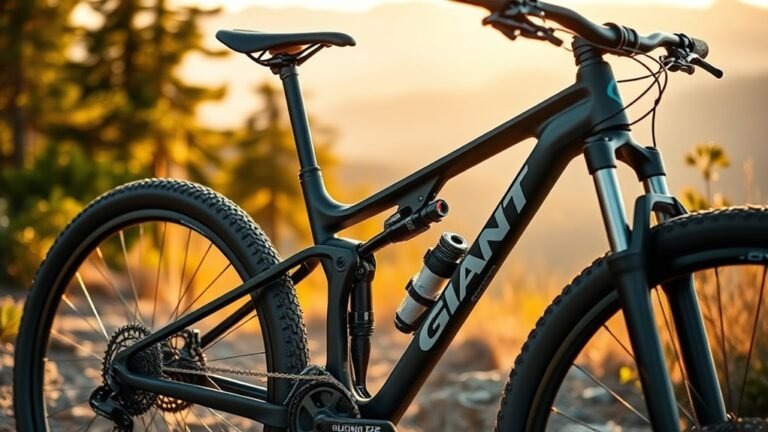
Because your bike’s type and intended use shape its design and features, they play a big role in determining its cost. When you shop for a mountain bike, for example, expect a higher price at new retail shops because of durable frames and suspension systems built for rough terrain.
Your bike’s type and use greatly influence its design, features, and ultimately, its price.
Your choice reflects what you want to do:
- If you need a bike for commuting or casual rides, hybrid models usually come at a moderate retail price with versatile features.
- For competitive racing or touring, specialized bikes carry a premium due to advanced components and customizations.
- E-bikes cost more than traditional bikes because of integrated motors and batteries, which add to the new retail price.
Understanding your intended use helps you find the bike that fits both your riding style and budget. It’s all about matching what you need with what you’re willing to spend.
Battery Capacity and Motor Performance
When you choose a larger battery capacity, you’ll notice the price of the e-bike goes up because it stores more power for longer rides. The motor’s torque also plays a big role in cost, as stronger motors provide better performance but come with a higher price tag.
Understanding how battery size and motor strength affect price helps you pick the right balance for your needs. It’s all about finding what works best for you without overspending.
Battery Size Impact
How much does battery size affect the cost of an electric bicycle? Quite a bit, actually. The battery capacity, measured in watt-hours (Wh), plays a vital role in the bike’s price.
Here’s what you should know: Higher watt-hour batteries mean longer rides but come with a steeper cost. This often pushes prices from $800 to well over $3,000.
Bigger batteries require advanced materials and technology. Manufacturers factor these into the electric bicycle’s overall cost.
Plus, premium brands offering better battery longevity and performance will naturally increase your expenses. So, choosing the right battery size really impacts what you’ll pay.
Motor Torque Effects
Battery size not only influences ride length but also ties closely to motor performance, especially torque. When you choose an electric bike with higher motor torque, you’re looking at more powerful motors that boost bike cost.
Stronger torque improves hill climbing and acceleration, but manufacturers often pair these motors with premium components to handle the added stress. These advanced motors require sophisticated cooling and design features, further increasing production expenses.
Plus, high-torque motors need larger or higher-capacity batteries to deliver consistent power, which adds to the total price. If you want an electric bike with torque above 80 Nm, expect a significant price jump due to these performance and quality demands.
Ultimately, motor torque directly impacts how much you’ll pay for your bike. It’s all about balancing power and cost to get the ride experience you want.
Comfort Features and Ergonomics
Because comfort features and ergonomics directly impact your riding experience, manufacturers invest in ergonomic saddles, adjustable handlebars, and shock-absorbing suspension systems that raise the bike’s cost.
When you choose comfort-focused bikes, you’re paying for advanced ergonomic features designed to reduce fatigue and improve ride quality.
Consider these factors that influence the price:
- Adjustable components like stem angles and handlebars let you customize fit, enhancing comfort but increasing cost.
- Suspension systems absorb shocks on rough terrain, making rides smoother and pricier.
- Premium ergonomic grips and padded seats add comfort during long rides but come at a higher price.
New Versus Second-Hand Market Prices
When you’re deciding between a new or second-hand bike, understanding price differences can help you make the best choice. A new bike can range widely in cost—from $150 for basic models up to over $20,000 for high-end pro-level bikes.
Entry-level new bikes typically fall between $300 and $1,000 at bike shops. On the other hand, a used bike often sells for 30-60% less than its original retail price, letting you snag quality options for considerably less.
For example, second-hand entry-level bikes are usually priced between $150 and $700, while used high-end models can be 40-70% cheaper. While buying used saves money, you’ll want to research carefully to avoid issues, since new bikes come with warranties and the latest tech at a premium.
Conclusion
When you’re hunting for the perfect bike, every factor we’ve covered can feel like a secret code to revealing the ultimate ride—because, honestly, the price can skyrocket faster than a rocket launch!
From brand prestige to battery power, each detail can make your wallet either sing or scream. So, don’t just settle—understand these elements, and you’ll master the art of getting the best bike without paying a fortune that could rival a spacecraft!
Knowing what affects bicycle cost helps you make smarter choices. Whether it’s the frame material, components, or even the brand name, each influences the price. By keeping these factors in mind, you can find a bike that fits your budget and riding style perfectly.
In the end, understanding the seven factors that affect how much a bicycle does cost means you’re not just buying a bike—you’re investing wisely. So take your time, compare options, and make sure your next bike ride is both enjoyable and affordable!