10 Muscles a Bike Workout Works
When you bike, you engage ten key muscles that power your pedal strokes and keep you moving efficiently. These include your quadriceps, hamstrings, glutes, calves, and tibialis anterior.
Together, they work hard to push and pull the pedals.
Your core muscles play a big role too, stabilizing your pelvis and spine as you ride. Plus, your hip flexors help lift your legs smoothly with each turn of the crank.
Different bike types, resistance levels, and cadence all influence how these muscles work. This means you can tweak your workout to boost either strength or endurance.
And if you pair cycling with strength training, you’ll see even better muscle growth and overall performance.
Keep exploring different techniques and setups—there are plenty of ways to optimize every ride for better results. It’s all about finding what works best for you!
Key Takeaways
- Cycling primarily works the quadriceps, hamstrings, glutes, calves, and tibialis anterior muscles for efficient pedaling and power generation. These muscles help you push and pull the pedals effectively.
- Core muscles like the rectus abdominis, obliques, and erector spinae stabilize the pelvis and spine during cycling. Keeping your core strong makes your ride smoother and more controlled.
- Hip flexors lift the thighs smoothly during pedal recovery, aiding in balance and maintaining proper posture. They play a big role in keeping your pedaling rhythm steady.
- Different bike types and resistance levels influence muscle engagement, targeting various muscle groups and affecting workout intensity. So, switching things up can really change how your muscles work.
- Combining cycling with strength training enhances muscle growth, power, endurance, and overall cycling performance. It’s a great way to get stronger and ride better.
Why Muscle Activation Matters in Bike Workouts

When you activate the right muscles during a bike workout, you guarantee efficient force transfer that boosts your cycling performance. Muscle activation is key to engaging the correct muscle groups, which not only improves power output but also supports injury prevention by reducing unnecessary strain.
Maintaining proper form assures that your core muscles stabilize your pelvis and spine. This enhances posture and protects your lower back from fatigue and injury.
Effective muscle engagement distributes the effort evenly across your body, preventing overuse of any single muscle group. This balanced activation helps you sustain workouts longer and reach strength, endurance, or fat loss goals more efficiently.
Without proper muscle activation, you risk inefficient pedaling, early fatigue, and potential injuries. So, focusing on muscle activation and maintaining proper form during your bike workouts is essential to maximize benefits and keep your body safe.
Key Lower Body Muscles Targeted by Cycling
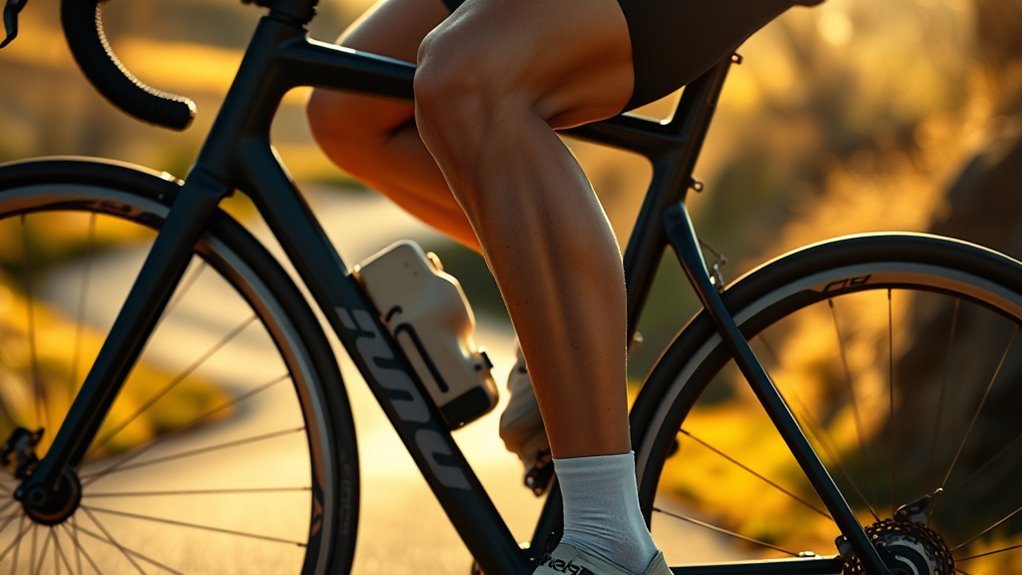
When you pedal, your quadriceps generate the power needed to push the bike forward. Your hamstrings play a key role by helping bend the knee and extend the hip during each stroke.
Meanwhile, your glutes provide vital support and stability to keep your ride smooth and efficient. These muscles all work together to make cycling feel effortless.
Quadriceps Power Generation
Three key factors make your quadriceps the powerhouse during cycling: they extend your knee, generate force on the downward pedal stroke, and respond to resistance by working harder.
As you pedal from the 12 to 6 o’clock position, your quadriceps contract repeatedly to produce the power necessary for smooth motion. This knee extension drives each pedal stroke, turning your effort into forward momentum.
When resistance increases, your quadriceps activate more intensely to overcome the added challenge, boosting power generation.
Proper bike setup, especially seat height, ensures your quadriceps can fully extend your knee without strain, maximizing efficiency.
Hamstrings Role In Pedaling
How do your hamstrings contribute to every pedal stroke? They play a crucial role by driving both hip extension and knee flexion during pedaling.
As you push the pedal down, your hamstrings activate to pull the pedal back and upward, especially during the upward phase of the stroke. This muscle activation is essential for smooth power transfer and improved cycling efficiency.
You’ll notice hamstring engagement increases when pedaling backward or applying more resistance. Strengthening your hamstrings through proper bike setup and targeted resistance training enhances pedal control and reduces injury risk.
Glutes Support And Stability
Why do your glutes matter so much in cycling? Well, your glutes, especially the gluteus maximus, play a vital role in generating power during the pedal stroke. They also provide essential stability to your hips and pelvis.
This helps you maintain proper posture throughout your ride. Strong glutes support efficient power transfer and can reduce the risk of lower back strain.
When you pedal, your glutes assist in hip flexion and stabilize your lower body. This is especially true as resistance increases or when you ride out of the saddle.
Cycling not only works these muscles but also sculpts and strengthens them. That means better overall stability for you on the bike.
Key benefits of strong glutes include:
- Improved power transfer for better speed
- Enhanced hip and pelvic stability
- Maintained posture to reduce injury risk
How Pedaling Activates Your Quadriceps and Hamstrings
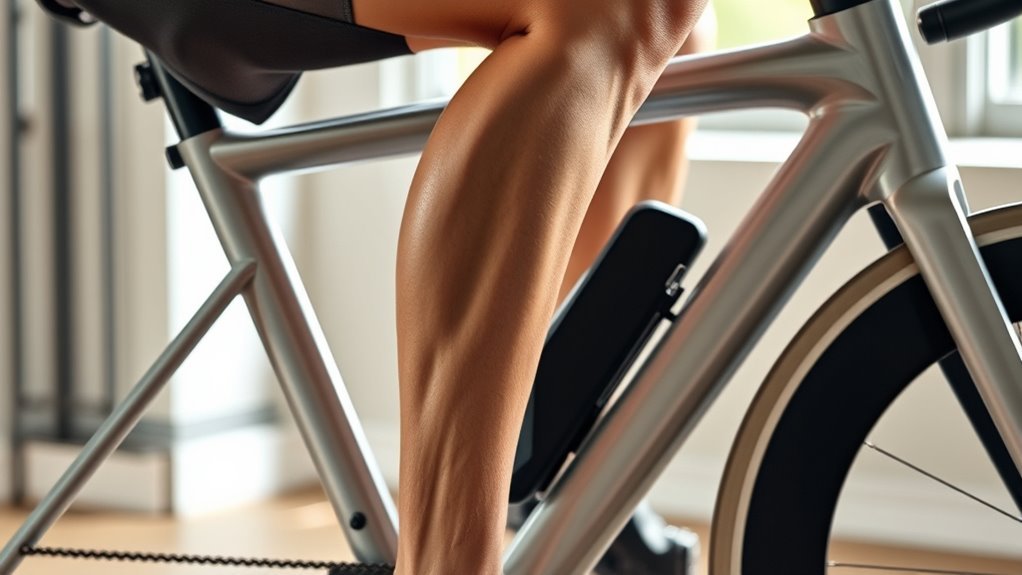
When you pedal, your quadriceps generate the power needed to push the pedal down and forward.
Meanwhile, your hamstrings play a key role by pulling the pedal back during the upstroke. Together, these muscles keep your pedaling smooth and efficient.
Quadriceps Power Generation
Ever wondered what powers each pedal stroke during your bike workout? It’s your quadriceps muscles doing the heavy lifting. When you pedal, your quadriceps contract to extend the knee, pushing the pedal downward with force.
This action is key in generating power and speed during cycling. As resistance increases, your quadriceps work harder, maximizing muscle engagement and boosting workout effectiveness.
Proper bike positioning ensures these muscles activate efficiently throughout each cycle. This helps prevent fatigue and injury.
Key points to understand quadriceps power generation include:
- Quadriceps extend the knee, driving the pedal down
- Increased resistance amplifies muscle workload
- Effective positioning enhances muscle activation
Hamstrings Role Cycling
How do your hamstrings contribute to cycling efficiency? During cycling, your hamstrings activate mainly in the upward phase of the pedal stroke, assisting with knee flexion and hip extension. They work alongside your quadriceps to create a smooth, efficient pedal motion.
Increasing resistance on your bike boosts hamstring muscle activation, strengthening these muscles over time. Proper bike fit and pedaling technique maximize hamstring engagement, reducing strain and improving overall cycling performance.
| Pedal Stroke Phase | Hamstrings Role |
|---|---|
| Downward | Quadriceps drive force |
| Upward | Hamstrings assist hip extension |
| Backward | Hamstrings pull the pedal up |
Understanding this coordination helps you pedal more powerfully and efficiently.
Why Your Glutes Are Key to Cycling Power
Because your glutes, especially the gluteus maximus, drive hip extension during cycling, they play a crucial role in generating power with every pedal stroke. When you engage your glutes efficiently, you maximize cycling power and improve overall pedaling performance.
Engaging your glutes, particularly the gluteus maximus, is key to maximizing power and performance on every pedal stroke.
Strong glutes stabilize your hips, which reduces fatigue and lowers injury risk by maintaining proper posture on the bike. You’ll notice that activation of these muscles increases with resistance and proper bike positioning, making each pedal stroke more forceful and effective.
To boost your cycling power, focus on:
- Strength training exercises targeting the glutes to enhance their strength and endurance
- Maintaining proper bike fit to optimize hip extension and glute activation
- Incorporating resistance during rides to increase glute engagement and pedal stroke efficiency
The Role of Calves and Tibialis Anterior in Pedaling
What muscles help keep your pedaling smooth and efficient? Your calves and tibialis anterior play essential roles in this. The calves, including the gastrocnemius and soleus, generate force during the downward phase of the pedal stroke, helping push the pedals down and pull them up.
This action propels your bike forward and adds power to your ride. Meanwhile, the tibialis anterior works during the upward part of the pedal cycle by dorsiflexing the ankle joint—lifting your foot to reset the pedal and prevent your toes from dragging.
By properly engaging both the calves and tibialis anterior, you improve pedaling efficiency, making each pedal stroke more effective. This balanced muscle activation also reduces strain on the ankle joint, helping you maintain a smoother, more controlled motion throughout your cycling workout.
How Core and Hip Flexor Muscles Support Balance
You rely on your core muscles to stabilize your pelvis and spine, keeping you balanced as you pedal. Engaging your hip flexors lifts your thighs smoothly, helping maintain control over each pedal stroke.
Together, these muscles work to enhance your balance and efficiency on the bike. It’s like they team up to keep you steady and strong throughout your ride.
Core Muscle Stabilization
How do your core and hip flexor muscles keep you steady during a bike workout? Your core muscles—including the rectus abdominis, obliques, and erector spinae—stay engaged to stabilize your pelvis and spine. This stability prevents excessive sway, reducing strain on your lower back and helping you maintain a strong posture throughout your ride.
When your core muscles are properly engaged, they efficiently transfer power from your upper body to the pedals, enhancing your overall balance.
Key benefits of core muscle stabilization include:
- Supporting the pelvis and spine for consistent stability
- Reducing injury risk by minimizing unnecessary movement
- Improving riding posture to maximize power transfer
Hip Flexor Activation
Why do your hip flexors play such a crucial role during a bike workout? They’re key cycling muscles that initiate the pedal stroke by contracting to lift your thigh. Alongside your core muscles, especially the lower abdominals, your hip flexors work hard to maintain pelvis stability, keeping you balanced and efficient on the bike.
Engaging these muscles helps smooth out the upward phase of the pedal stroke, making your motion more fluid. Plus, a proper bike setup, like correct seat height, enables your hip flexors to activate effectively.
Strengthening them through cycling not only enhances your pedal power but also improves hip mobility. This supports better balance in other physical activities too. So, hip flexor activation is essential for both performance and stability during your ride.
Balance During Pedaling
Where does your balance come from when you’re pedaling hard or steering uneven terrain? It’s your core muscles that play a vital role in maintaining stability and posture. By engaging your abdominals and erector spinae, you stabilize the pelvis and torso, preventing excessive leaning or swaying.
Meanwhile, your hip flexors lift your thighs smoothly during pedal recovery, which helps enhance overall balance. Together, these muscles help you keep control and an upright posture even during dynamic movements.
Key factors supporting balance during pedaling include:
- Core muscles stabilize your torso and pelvis to maintain posture
- Hip flexors assist in smooth pedal recovery and dynamic stability
- Proper core activation distributes weight evenly, reducing strain
How Different Bike Types Influence Muscle Engagement
Which muscles you work during a bike workout depends greatly on the type of bike you choose. Different bike types influence muscle engagement, especially in your lower body muscles.
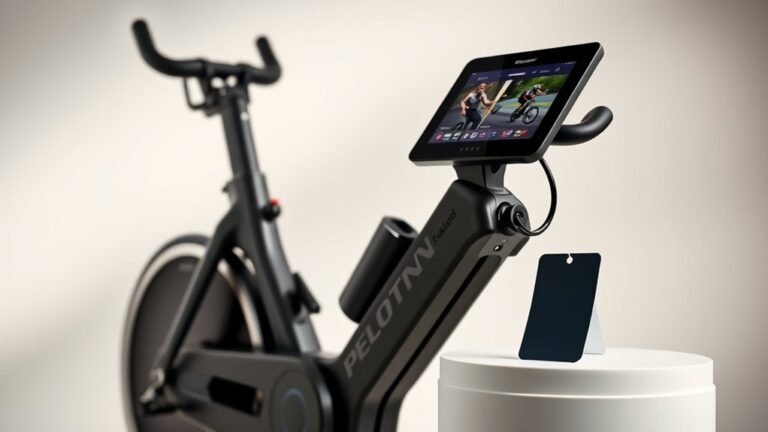
For example, recumbent bikes focus mainly on your quadriceps, hamstrings, and glutes. They involve less upper body and core work because of their backrest design.
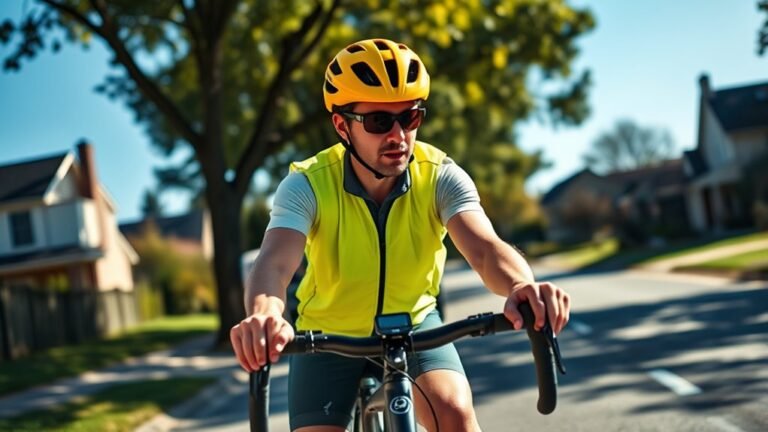
Classic saddle bikes and racing bikes demand more from your core and upper body to keep your balance. They also put your legs through some intense work.
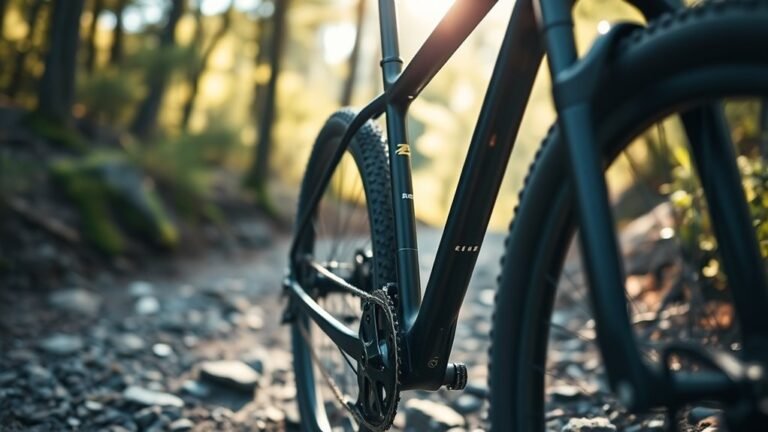
Mountain bikes take it up a notch by engaging your upper body and core to handle rough terrain. That makes them great for a full-body workout.
| Bike Type | Primary Muscles Engaged | Additional Muscle Engagement |
|---|---|---|
| Recumbent Bikes | Quadriceps, Hamstrings, Glutes | Minimal core, upper body |
| Classic Saddle | Quadriceps, Hamstrings, Glutes | Core stabilization |
| Racing Bikes | Leg muscles (all) | Core, upper body for balance |
| Mountain Bikes | Legs, Core | Upper body (arms, shoulders) |
Choosing the right bike type lets you tailor your workout to target specific muscles more effectively.
The Impact of Resistance and Cadence on Muscles
After choosing the bike type that suits your goals, adjusting resistance and cadence lets you fine-tune how your muscles work during a ride. Resistance controls the force your muscles must exert, primarily activating the quadriceps, hamstrings, and glutes in your lower body.
Cadence, or pedaling speed, influences muscle endurance by engaging slow-twitch fibers, especially in calves and thighs.
By manipulating these variables, you can target different aspects of muscle activation:
- High resistance with moderate cadence builds strength and promotes muscle hypertrophy in the lower body.
- Low resistance combined with high cadence enhances cardiovascular fitness while improving muscle endurance in stabilizers and calves.
- Adjusting resistance and cadence optimizes muscle activation patterns to balance strength and stamina.
Understanding this relationship empowers you to customize your workout. This way, you can make sure you’re effectively addressing specific muscle endurance or strength goals.
Combining Bike Workouts With Strength Training for Muscle Growth
By combining bike workouts with strength training, you can boost muscle growth more effectively than focusing on cycling alone. While cycling targets endurance, adding resistance exercises like squats, deadlifts, and lunges activates muscle fibers differently, promoting greater hypertrophy.
This blend enhances muscle growth by working both slow- and fast-twitch fibers, which cycling alone might not fully engage. Strength training not only accelerates muscle toning in your quadriceps, hamstrings, glutes, and core but also improves your cycling performance by increasing overall muscle strength.
With stronger muscles, you’ll handle higher resistance levels during bike sessions, making workouts more intense and productive. Alternating between cardio-focused cycling and targeted strength training helps you develop balanced muscles and prevents imbalances that could lead to injury.
This combined approach guarantees you build power and endurance simultaneously, maximizing your results and supporting sustained progress in both muscle growth and cycling ability. It’s a win-win for your fitness journey!
Practical Tips to Boost Muscle Activation and Workout Results
To get the most out of your bike workouts and strength training, focus on practical adjustments that boost muscle activation. Small changes in your setup and technique can amplify your results considerably.
Start by optimizing your saddle height so your knee stays slightly bent at the pedal’s lowest point. This way, you maximize quadriceps and hamstring engagement. It really makes a difference!
Also, maintain proper cycling posture—keep your core tight and shoulders relaxed. This helps improve power transfer and reduces fatigue during your rides.
Try incorporating interval training by alternating high-resistance sprints with recovery periods. It’s a great way to enhance muscle recruitment and overall strength.
Here are some key tips to enhance your muscle activation:
- Gradually increase resistance during rides to challenge muscles without risking injury.
- Lean slightly forward while pedaling, ensuring hip stability to activate your glutes and posterior chain.
- Use interval training to combine endurance and resistance training benefits effectively. Give it a shot!
Frequently Asked Questions
Can I Lose Belly Fat by Riding a Stationary Bike?
Yes, you can lose belly fat by riding a stationary bike if you combine it with a calorie-controlled diet and consistent workouts.
Interval training boosts fat burning, helping reduce overall body fat, including your belly area.
What Muscles Get Toned From Cycling?
You know what they say, “No pain, no gain.” When you cycle, you tone your quads, hamstrings, glutes, calves, and core muscles.
Plus, using certain bikes can even work your upper body, giving you a full workout.
Is Biking 30 Minutes a Day Enough Exercise?
Yes, biking 30 minutes a day is enough exercise to improve your cardiovascular health and build endurance. It’s a great way to get your heart pumping and stay active.
To maximize benefits, you should mix up the intensity and add other types of workouts. This helps with overall fitness and muscle development, keeping things balanced and interesting.
Is 2 Miles in 7 Minutes on a Stationary Bike Good?
Yes, hitting 2 miles in 7 minutes on a stationary bike is good—it shows you’re working at a solid pace. You’re pushing your cardiovascular system and building endurance, which perfectly aligns with many fitness goals.
Keep it up!
Conclusion
Now that you know how cycling targets muscles from your quads to calves, it’s time to pedal like it’s 1895 and harness that vintage power.
By adjusting resistance and cadence, and mixing in strength training, you’ll maximize muscle activation and boost your results. Remember, every stroke counts toward stronger legs and a fitter you.
So hop on your bike, channel that old-school grit, and ride your way to muscle gains and endurance! Cycling is a fantastic workout that engages multiple muscle groups, helping you build strength and improve overall fitness. Keep the momentum going, and you’ll see your quads, hamstrings, calves, glutes, and core getting stronger with every ride. Ready to boost your performance? Let’s ride!