How Fast Is a Bike and How to Measure It
You can usually ride a bike between 10 to 30 miles per hour, depending on your fitness, bike setup, and road conditions like terrain and wind. These factors all play a big role in how fast you can go.
To measure your speed accurately, use reliable tools like bike computers or GPS devices paired with speed sensors. Make sure to keep them well-calibrated for the best results.
Maintaining your bike, especially keeping your tire pressure right, also helps you get precise data. It’s a simple step that can make a noticeable difference.
Keep exploring to discover how different factors and the right tools can boost both your cycling performance and speed tracking. It’s all about finding what works best for you on the road!
Key Takeaways
- Bike speed varies based on rider fitness, bike design, terrain, and environmental conditions like wind and weather.
- Proper gear choice and aerodynamic riding position optimize speed and pedaling efficiency.
- Flat roads and tailwinds generally increase bike speed, while hills and headwinds reduce it.
- Speed measurement tools include bike computers, GPS devices, speed sensors, and smartphone apps like Strava.
- Regular calibration and bike maintenance, such as tire pressure checks, ensure accurate and reliable speed data.
What Makes a Bike Go Faster? Rider, Bike, and Environmental Factors Explained

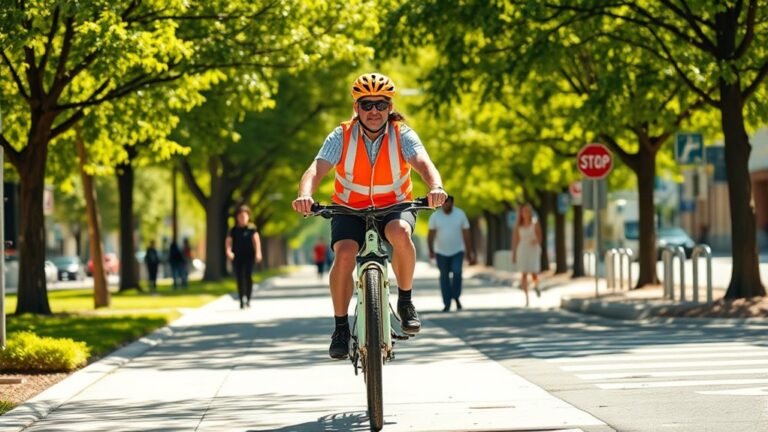
While many factors affect how fast a bike can go, your fitness, pedaling technique, and gear choice play a major role in boosting your speed. As a rider, your fitness level directly influences how much power you generate, while an efficient pedaling technique helps maintain consistent momentum.
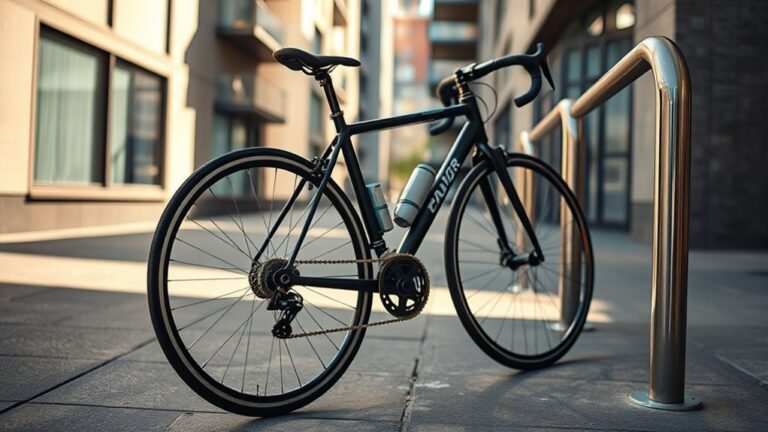
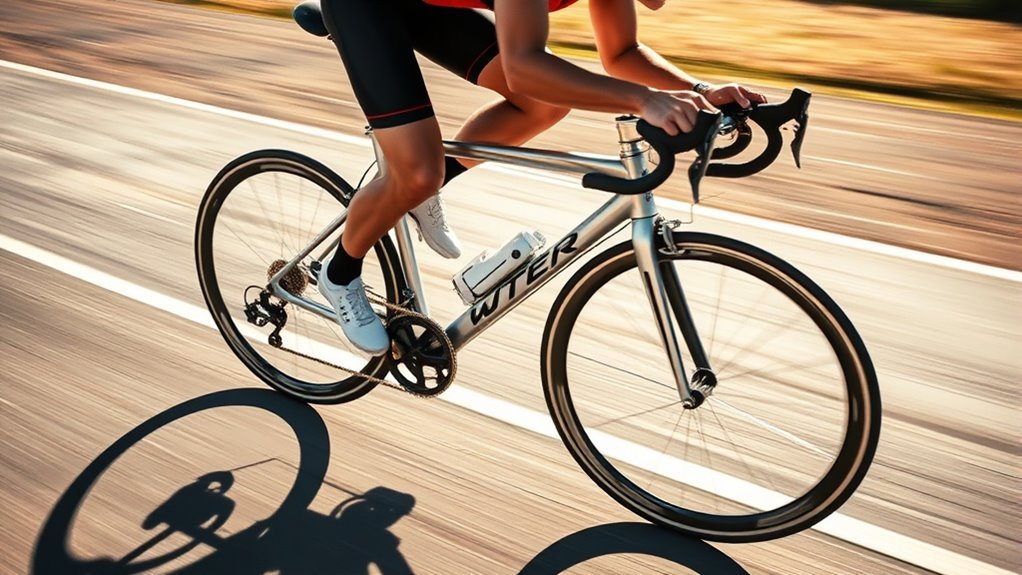
Selecting the right gear optimizes your cadence, especially across varying terrain. Your bike’s design also matters—a lightweight road bike with aerodynamic features lets you slice through the air more easily than heavier mountain or hybrid bikes.
Environmental factors like terrain, wind, and weather further impact speed; flat roads and tailwinds help you go faster, while hills and headwinds slow you down. Proper tire pressure reduces rolling resistance, allowing smoother rides, so check it regularly.
Maintaining an aerodynamic position minimizes drag, enhancing your overall velocity. By mastering these elements, you maximize your bike’s potential and truly understand what makes you go faster on two wheels.
How to Measure and Track Your Bike Speed Accurately: Tools and Techniques
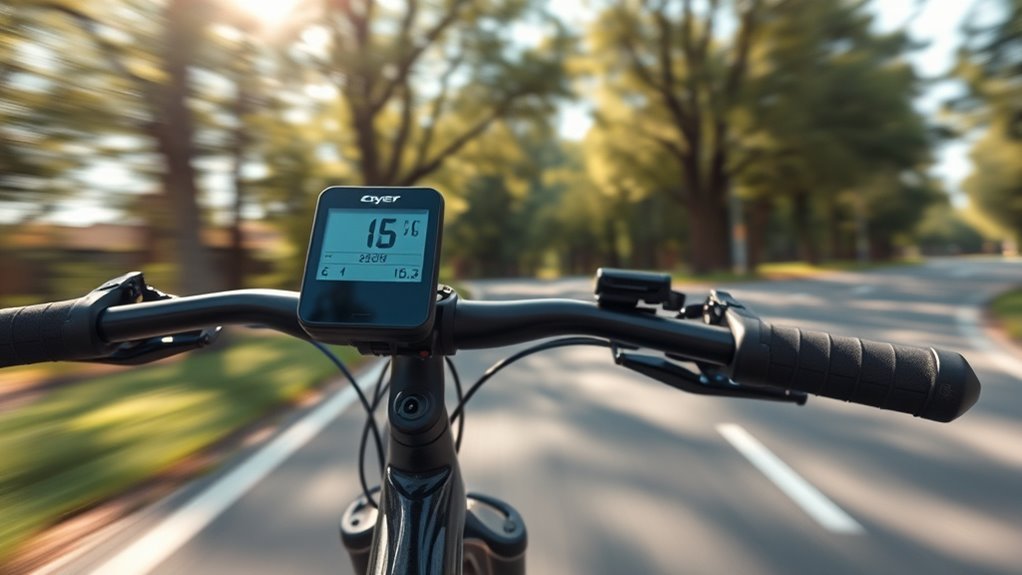
Understanding what influences your bike’s speed is just the start; tracking how fast you’re actually going helps you gauge your progress and make informed adjustments. To measure speed accurately, use a bike computer or a GPS device attached to your bike.
These tools provide real-time measurement by capturing your cycling data continuously. For even more precise readings, add a speed sensor, which works well with many bike computers and apps.
Make certain to calibrate your equipment regularly and maintain your bike—like keeping tires inflated to the right pressure—to guarantee consistent and reliable recording data. Use smartphone apps like Strava or Google Fit to track performance over time, analyze your cycling data, and identify speed fluctuations.
Frequently Asked Questions
How Fast Is 12 Mph on a Bike?
At 12 mph, you’re cycling at a moderate, comfortable pace, covering a mile every five minutes.
It’s great for casual rides on flat terrain. You can really enjoy the ride without pushing too hard or getting too tired.
How Fast Is 20 Mph on a Bicycle?
Riding at 20 mph feels like you’re slicing through the wind with a sharp blade. You’re moving swiftly, covering a mile every three minutes.
It’s a solid, energetic pace for most experienced cyclists. You really start to feel the rhythm of the ride at this speed.
How Fast Is 10 Mph on a Bicycle?
You’re riding at a moderate pace when going 10 mph on your bike. It’s perfect for beginners and casual rides.
You can cover about 10 miles in an hour without tiring too quickly on flat terrain. It’s a comfortable speed that lets you enjoy the ride without pushing too hard.
How to Tell if Your Bike Is 10 or 11 Speed?
Count the gears on your bike’s rear cassette to see if it has 10 or 11 cogs. You can also check the shifter clicks or consult the manual for exact specs.
That’ll tell you your speed setup. Easy, right? Just a quick look and you’ll know.
Conclusion
So, now you know how fast a bike can go and how to measure it—because who doesn’t want to feel like a rocket on two wheels? Just remember, your speed isn’t just about the bike or gadgets; it’s also about you, the rider, and even the wind playing tricks.
So next time you’re pedaling “slow,” imagine you’re actually breaking the sound barrier—because, hey, speed is all in your head! Measuring bike speed can be done in several ways, from using a simple speedometer to high-tech GPS devices. But no matter the method, your effort and conditions like wind resistance and terrain make a huge difference.
In the end, understanding how fast a bike can go and how to measure it helps you appreciate the ride more. Whether you’re aiming for a casual cruise or racing like a pro, speed is a mix of machine, rider, and environment. So, keep pedaling and enjoy the thrill of biking fast!