
5 Factors That Affect How Long It Takes to Bike 20 Miles
Your 20-mile bike ride time depends on five main factors that can really change how long you’re on the road. Fitness level is a big one—if you’re more fit, you can keep a faster pace without tiring out. It’s not just about how hard you pedal, but how strong your legs and lungs are.
Terrain also makes a huge difference. Hills will definitely slow you down, while flat roads help you keep a steady speed. And don’t forget the weather! Windy days can either push you forward or make you work harder.
Your bike type and the route you pick also matter a lot. Some bikes are faster on certain surfaces, and the route can have more stops or turns that affect your overall time. Knowing these factors can help you plan better and maybe even shave minutes off your ride.
Key Takeaways
- Terrain and elevation significantly influence speed, with hills slowing and downhills speeding up the ride. It’s pretty natural—climbing takes more effort, while going down lets you catch your breath and pick up pace.
- Weather conditions like wind direction, rain, and temperature affect cycling pace and endurance. A strong headwind can really slow you down, and rain might make you more cautious.
- Rider fitness and endurance determine the ability to maintain higher speeds and reduce ride time. The fitter you are, the easier it is to keep a steady, quicker pace without burning out.
- Bike type and maintenance impact efficiency, with road bikes and well-kept equipment enabling faster rides. A well-tuned bike just feels smoother and makes your ride less tiring.
- Route planning, including road smoothness and traffic stops, helps maintain a steady pace and shorter duration. Picking a route with fewer stops and smoother pavement can make a big difference.
What Is a Typical 20-Mile Bike Ride Time?
While your exact time may vary, a typical 20-mile bike ride usually takes between 1 hour and 1 hour 40 minutes, depending on your speed and conditions.
If you’re a recreational cyclist, expect your typical ride time to fall somewhere between 1 hour 15 minutes and 1 hour 40 minutes. This range accounts for an average mph of roughly 12 to 16, which is common for casual riders.
If you push a bit harder or have more experience, you might hit closer to 15 or 16 mph, completing the 20 miles in about 1 hour 20 minutes.
Dedicated cyclists riding consistently at 20 mph can finish 20 miles in around 1 hour, but that’s generally above the average recreational pace.
Understanding where you fit in this spectrum helps you set realistic goals and track your progress effectively.
How Terrain and Elevation Affect Your 20-Mile Pace
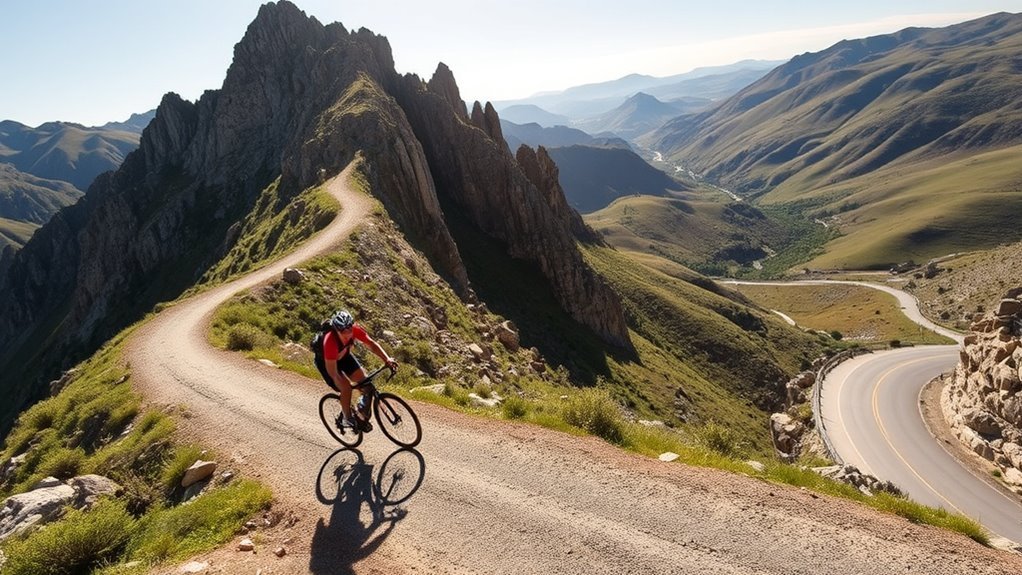
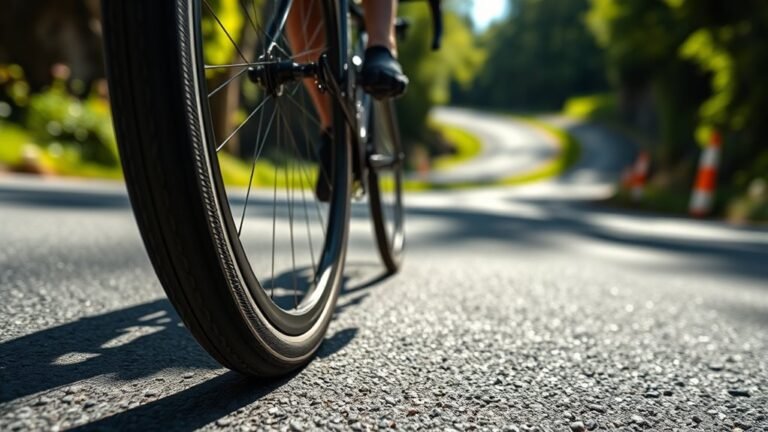
Because terrain and elevation play a crucial role in your cycling performance, they directly affect how fast you can complete a 20-mile ride. Flat terrain lets you maintain a steady pace, often around 15-20 mph, helping you finish quicker.
However, elevation changes can slow you down, especially when you face uphill climbs that demand extra effort.
Consider these terrain and elevation factors:
- Flat routes keep your pace higher and more consistent.
- Hills and elevation gains reduce your speed by 2-4 mph.
- Climbing steep or long inclines requires more energy and time.
- Downhill sections let you accelerate, sometimes exceeding 30 mph, cutting your overall ride time.
Why Weather and Wind Matter for Your 20-Mile Ride
Terrain and elevation definitely shape how fast you can ride 20 miles, but weather and wind conditions play an equally important role in your overall speed. Headwinds can slow you down by 2 to 4 mph, markedly increasing your ride time, especially if the wind direction means you’re cycling straight into it.
Terrain and elevation impact speed, but headwinds slowing you by 2 to 4 mph can greatly increase ride time.
Conversely, tailwinds help you maintain a faster pace, cutting down your 20-mile ride duration by several minutes. Rain and wet conditions add rolling resistance and reduce bike control, causing you to ride more cautiously and slower.
Hot weather also affects your endurance, leading to quicker fatigue and dehydration, which decrease your overall speed. So, paying attention to wind direction and weather conditions before your ride can help you anticipate challenges and plan accordingly.
That way, you can manage your energy and pace effectively for a better 20-mile cycling experience.
How Your Fitness Level Impacts 20-Mile Ride Duration
If you’re in good shape, you can sustain faster speeds and cut down your 20-mile ride time considerably. Your fitness level plays a vital role in how quickly you finish the ride.
When you’re well-conditioned, you can maintain a higher average speed, often around 20 mph, completing the distance in under an hour. If your fitness isn’t as high, you might find yourself riding closer to 15 mph, which naturally increases your ride duration.
Here’s how fitness impacts your ride:
- Better aerobic capacity helps you recover faster during the ride.
- Endurance training boosts your ability to sustain higher intensities.
- Higher fitness levels reduce fatigue, allowing consistent pacing.
- Improved fitness steadily increases your average speed over time.
How Your Bike and Route Planning Influence Total Time
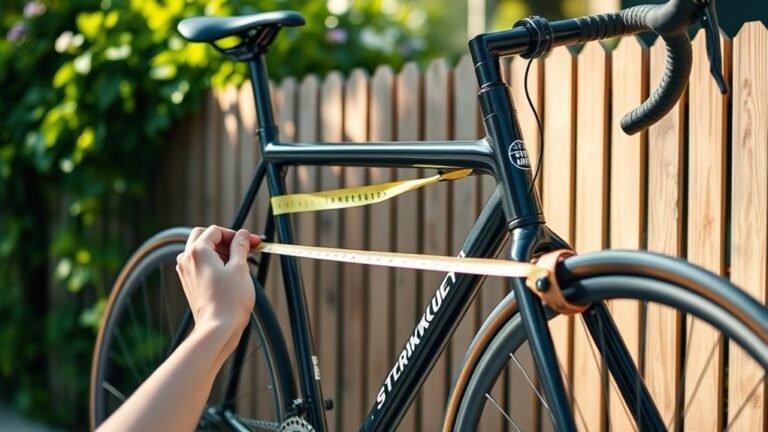
Your fitness sets the foundation for a faster 20-mile ride, but the bike you choose and how you plan your route can make just as much difference. A road bike, designed for speed on smooth pavement, will help you cover distance faster than a mountain bike built for rough terrain.
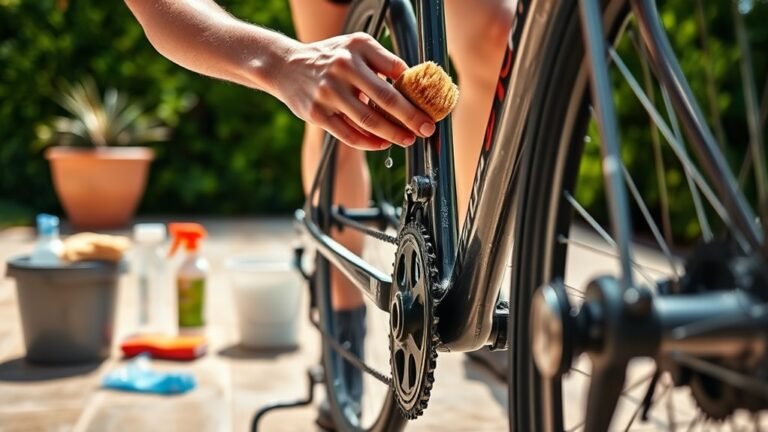
Proper bike maintenance is essential—well-inflated tires and smooth gear shifting keep your ride efficient and prevent unnecessary slowdowns. When it comes to route planning, choosing flat, smooth roads with minimal stops and traffic signals allows you to maintain a steady speed and reduce your total time.
Adjust your gear ratios to match the terrain: use lower gears for hills and higher gears on flats to optimize your speed. By combining a well-maintained bike with smart route planning, you’ll cut down your ride time and enjoy a smoother, faster 20-mile journey.
Frequently Asked Questions
How Long Should a 20 Mile Bike Ride Take?
You should expect a 20-mile bike ride to take about 1 to 1.5 hours, depending on your speed and effort.
If you’re riding casually, it might take a bit longer, but staying consistent helps.
What Is the 75% Rule in Cycling?
Think of the 75% rule as your cycling sweet spot. It means you ride at about three-quarters of your max effort, so you won’t overdo it.
You can keep your pace comfortably steady for longer rides. It’s all about finding that balance where you push yourself but don’t burn out too fast.
Is 20 Miles Considered a Long Bike Ride?
Twenty miles can feel long if you’re new to cycling, but if you’ve built up your endurance, it’s a moderate ride.
You’ll find it manageable with proper pacing and preparation, especially on flat terrain. Just take it easy and enjoy the ride!
Is Biking 20 Miles in an Hour Good?
Yes, biking 20 miles in an hour is good. You’re hitting a challenging pace that shows strong fitness and skill.
With training and the right conditions, you can definitely achieve and even improve on that speed. Keep at it!
Conclusion
As you pedal through rolling hills or glide along flat roads, remember that every factor—from the wind in your face to the bike beneath you—shapes your 20-mile journey. Picture the sun warming your back, your breath steady, and the thrill of reaching that finish line.
With each ride, you’ll learn how terrain, weather, fitness, and planning come together, turning miles into moments of freedom and accomplishment. These factors affect how long it takes to bike 20 miles, so understanding them helps you enjoy the ride even more.
Next time you hit the road, think about how these elements influence your pace and experience. Embracing the challenges and joys of biking 20 miles makes every journey a personal victory.