5 Key Factors: How Much Does a MotoGP Bike Cost
You’ll find that a MotoGP bike’s staggering price comes from five key factors. Exotic materials like titanium and carbon fiber hike manufacturing costs, while rare custom parts push prices even higher. These high-tech materials are not just fancy—they’re essential for performance and durability.
The handcrafted engines are costly to design and build due to complex technology and skilled labor. It takes a lot of expertise to get these machines running at their peak.
Plus, frequent maintenance and wear add ongoing expenses that teams can’t avoid.
On top of that, team operations, including R&D and logistics, balloon the total investment. It’s not just the bike itself; it’s the entire support system behind it.
Keep exploring to understand exactly how each factor shapes these incredible machines.
Key Takeaways
- Exotic materials like titanium and carbon fiber really boost the costs of manufacturing MotoGP bikes and their parts. These materials aren’t just expensive; they also make the bikes lighter and stronger.
- Custom, rare, and limited-edition components add even more to the expenses. Not only do they cost a lot to source, but they also come with a premium because of their exclusivity.
- The engines are handcrafted and can cost between €200,000 and €250,000. This high price is due to the skilled labor involved and the use of specialized materials.
- High-performance parts and electronics need frequent replacement. That means ongoing maintenance expenses add up pretty quickly.
- When you add it all together, the total cost includes the factory bike price, which is around $2 to $3 million. On top of that, research and development, logistics, and operational expenses push the annual costs into the several million dollar range.
How Exotic Materials and Advanced Technology Increase MotoGP Bike Prices
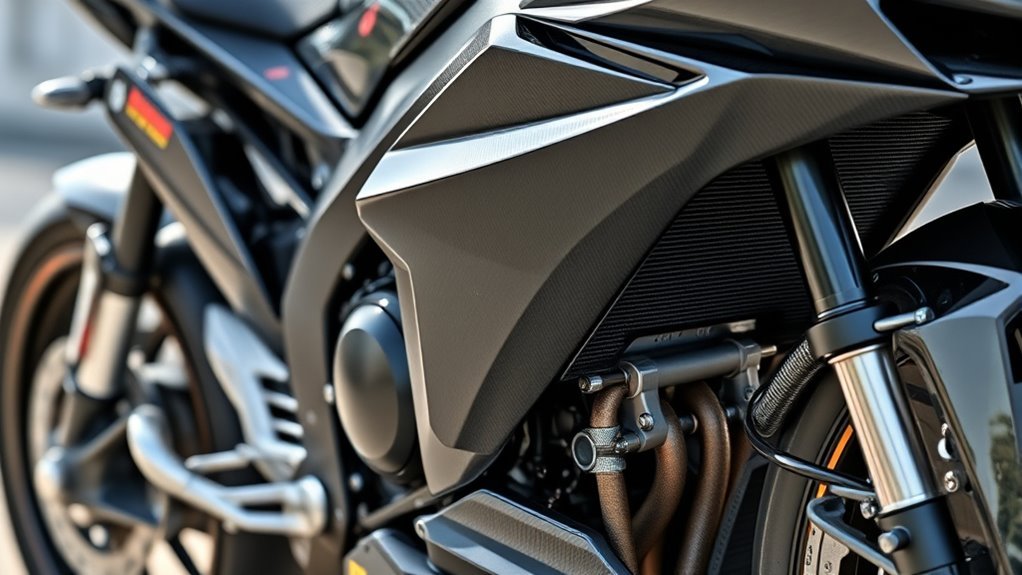
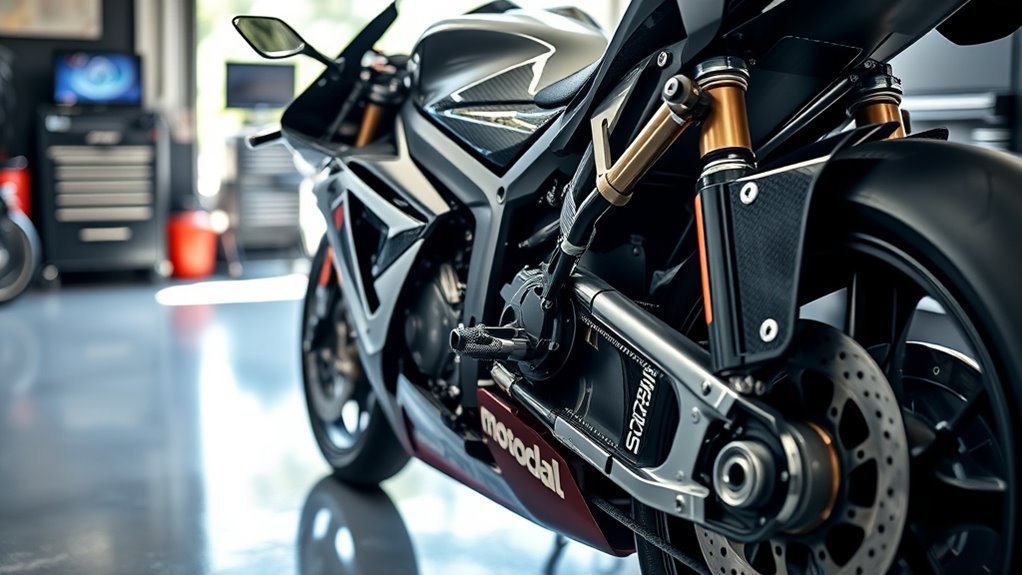
Because MotoGP bikes rely on exotic materials like titanium, magnesium, and carbon fiber, their manufacturing costs skyrocket. You’ll find that these materials demand specialized handling and notably boost the motorcycles cost.
Exotic materials like titanium and carbon fiber drive MotoGP bike costs through specialized handling and premium pricing.
High-performance parts such as carbon fiber fairings and magnesium rims alone can cost thousands, pushing expenses even higher. Add advanced technology like pneumatic valves and seamless transmissions, and the complexity—and cost—of assembly rises sharply.
You also have to contemplate the electronic optimization systems packed with over 30 sensors for real-time data collection, which adds substantial expense to the bike’s electronics. All these cutting-edge materials and technology work together to maximize performance but drive up manufacturing costs dramatically.
When you factor in every exotic material and state-of-the-art component, it’s clear why MotoGP bikes often cost several million dollars each. The combination of high-performance parts and electronic sophistication makes these machines some of the most expensive motorcycles on the planet.
Rare and Custom Parts Driving MotoGP Bike Costs
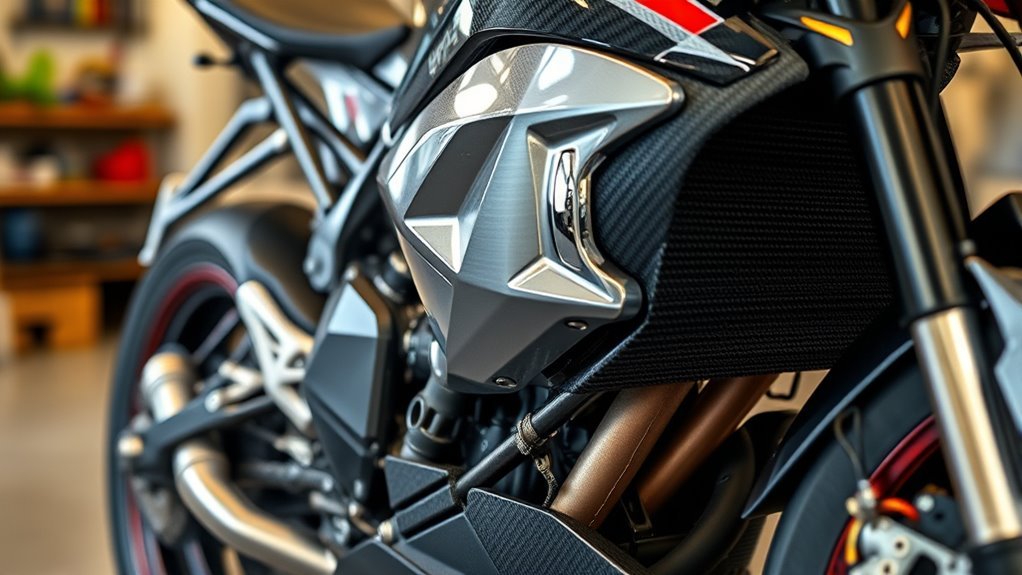
The use of exotic materials and cutting-edge technology isn’t the only factor pushing MotoGP bike prices sky-high. Rare parts and custom components play a huge role in inflating motorcycle costs.
These bikes feature high-performance parts crafted from specialized and exotic materials like titanium and carbon fiber, which you won’t find in mass-produced motorcycles. Many components are limited edition, designed specifically for individual riders, making replacements both hard to source and expensive.
For example, upgrading front forks can cost anywhere from $3,000 to $15,000, with some suspension parts exceeding $100,000. The rarity and exclusivity of these parts mean manufacturers produce them in very limited quantities, adding to the cost.
While engine costs are a major factor, the custom-tuned parts surrounding the engine also demand premium prices. When you add up these rare and custom elements, it’s clear why MotoGP bikes carry such a hefty price tag.
Why MotoGP Bike Engines Are So Costly to Design and Build
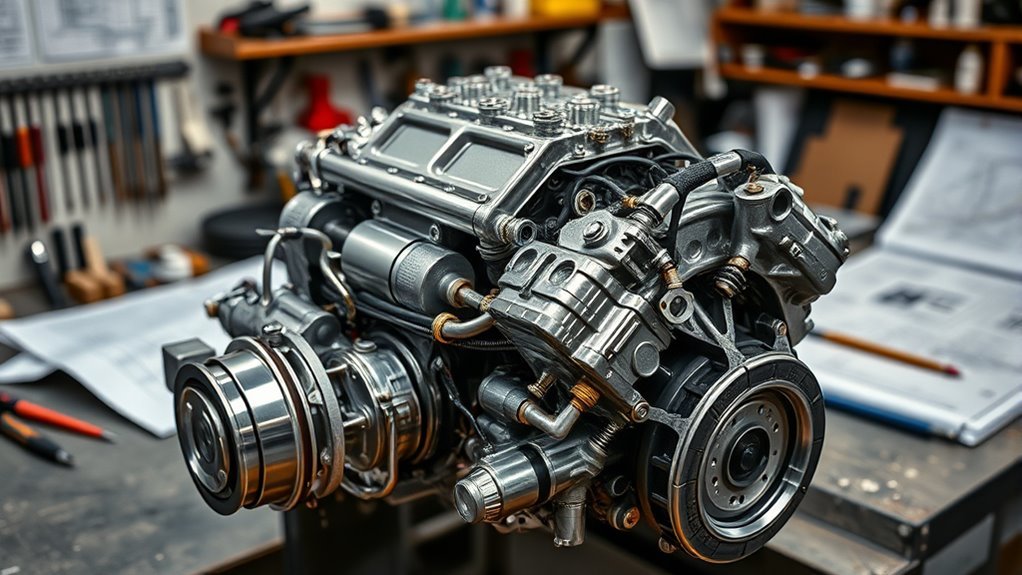
When you consider the incredible precision and innovation packed into a MotoGP engine, it’s no surprise that designing and building one costs between €200,000 and €250,000. The high-performance engine uses exotic materials like titanium and carbon fiber, pushing manufacturing complexity to the limit.
Each unit is handcrafted and sealed by skilled technicians, which drives up labor costs. Plus, there’s extensive research and development involved to optimize engine capacity and performance within strict regulations.
Because production is limited and engines are tailored for each rider, parts are rare and costly. It all adds up to why these engines are so expensive.
| Factor | Description | Impact on Cost |
|---|---|---|
| Materials | Titanium, carbon fiber | High |
| Manufacturing | Handcrafted, precision assembly | Labor-intensive |
| Research and Development | Advanced tech, optimization | Significant investment |
These combined factors explain why engine costs dominate MotoGP bikes’ overall price.
Wear and Maintenance Costs for MotoGP Bikes
After investing heavily in designing and building a MotoGP engine, you’ll quickly find that maintaining the bike demands an equally significant budget. The intense wear from racing means many parts, especially brake discs and brake pads, need frequent replacements to ensure peak performance.
These components endure extreme stress, forcing teams to perform constant maintenance between sessions. Race-specific parts prioritize performance over durability, so brake systems often wear out within just a few hours on the track.
In addition to brakes, tires and engine components also face rapid deterioration, driving up maintenance costs significantly. Even advanced electronics require regular recalibration to keep the bike competitive.
With parts designed for short-term use, you’ll face ongoing expenses from both planned replacements and unexpected repairs after heavy wear or crashes. Ultimately, wear and maintenance costs form a critical part of running a MotoGP bike, often matching the initial investment in design and build.
How Team Operations Add to MotoGP Bike Costs
Although a factory MotoGP bike may cost around $2–3 million, the true expense skyrockets once you factor in team operations like research, development, and specialized assembly. You’ll find that R&D drives innovation but demands huge investment.
Maintenance and repairs, especially after crashes, rack up operational costs rapidly. Telemetry systems and electronics alone cost over €100,000 per bike, highlighting the tech intensity involved.
Plus, logistics and personnel expenses can exceed €2 million each season. This shows how team operations inflate the total price beyond just the bike.
| Expense Category | Cost Range (€) | Impact on Total Cost |
|---|---|---|
| Research & Development | Hundreds of thousands | Drives innovation |
| Electronics & Telemetry | Over 100,000 | Critical for performance |
| Maintenance & Repairs | Up to 500,000 per crash | High operational cost |
| Logistics & Personnel | Over 2 million/season | Largest recurring expenses |
Your understanding of these factors reveals why MotoGP team operations are so costly.
Frequently Asked Questions
How Much Does a Motogp Bike Typically Cost?
You’ll typically pay around $3 million for a top-tier MotoGP bike. These machines use exotic materials, advanced tech, and handcrafted parts, making them incredibly expensive and specialized compared to regular motorcycles or even high-end sports bikes.
Honestly, it’s not just about speed — it’s about precision engineering. Every component is designed to push the limits, which is why the price tag is so high. But if you’re serious about racing at the highest level, it’s totally worth it.
What Makes a Motogp Bike so Expensive?
Wonder why MotoGP bikes cost so much? You’re paying for cutting-edge materials, handcrafted precision, advanced electronics, and intense R&D.
Plus, racing’s wear-and-tear demands frequent part replacements, driving up the overall expense considerably. It’s not just a bike; it’s a high-tech machine built to perform at the absolute limit.
Who Gets Paid More, F1 or Motogp?
You’ll find F1 drivers get paid far more than MotoGP riders, often earning tens of millions annually.
MotoGP salaries are solid but much smaller, generally maxing out around $10 million compared to F1’s $50 million-plus.
Is an F1 Car Faster Than a Motogp Bike?
You might think a MotoGP bike could outrun an F1 car, but nope—they’re no match. F1 cars rocket faster, thanks to insane horsepower and downforce.
Bikes are amazing at hugging corners, but when it comes to straightaways, cars dominate effortlessly. It’s all about the speed and grip that F1 cars bring to the track.
Conclusion
When you delve into the world of MotoGP bikes, you quickly see why the price tag is sky-high. Exotic materials, custom parts, and cutting-edge engines don’t come cheap.
On top of that, maintenance and team operations add fuel to the fire. These bikes require constant tuning and expert care to keep them racing at peak performance.
If you want to understand the true cost, it’s clear that these bikes are worth every penny. They’re the whole package—advanced engineering, top-tier components, and relentless team effort.
In the end, the cost of a MotoGP bike reflects the incredible technology and precision behind every race. It’s not just about the bike itself but the entire ecosystem that supports it. So, when you think about how much a MotoGP bike costs, remember it’s an investment in speed, innovation, and racing excellence.