3 Factors That Affect How Long It Does Take to Bike 10 Miles
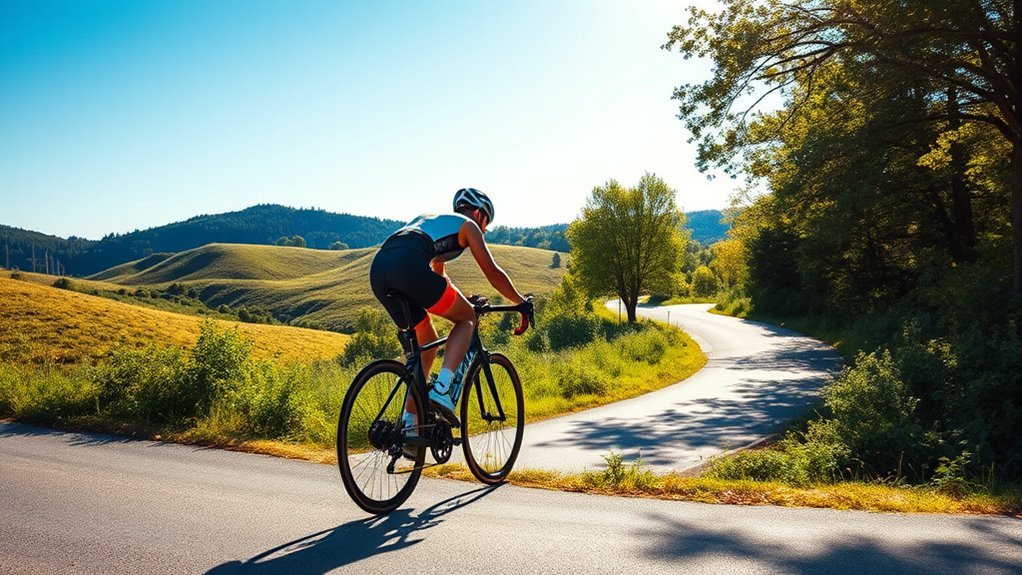
The time it takes you to bike 10 miles depends mainly on three factors: your fitness level, the type of bike you use, and the terrain and weather conditions. These key factors can make a big difference in how fast you complete your ride. Understanding them helps you better predict your biking time and improve your overall experience.
If you’re fit and regularly train, you’ll ride faster and feel less tired. Fitness really boosts your stamina and speed, making those 10 miles feel easier.
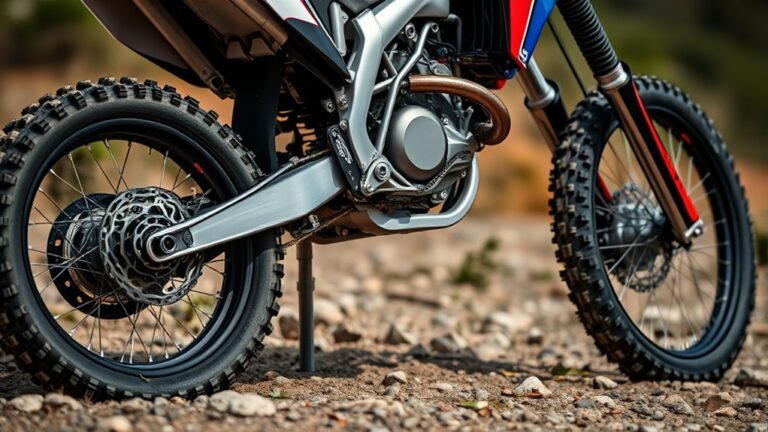
Choosing a road bike can shave time off compared to a mountain bike, especially on smooth pavement. Road bikes are designed for speed, while mountain bikes handle rough terrain better but can slow you down.
Plus, flat routes and favorable winds help you speed up, while hills and rough surfaces slow you down. Weather and terrain play a huge role, so keep an eye on those when planning your ride.
Explore these aspects to better gauge your ride time.
Key Takeaways
- Terrain type, such as flat or hilly, significantly influences biking time due to elevation changes and effort required.
- Weather conditions, including wind direction and speed, can either shorten or lengthen the ride duration by around 10 minutes.
- Bike type affects speed; road bikes are faster on smooth surfaces, while mountain bikes take longer on rough terrain.
- Rider fitness and conditioning impact time, with better fitness reducing ride duration by improving endurance and power.
- Surface quality affects speed, as smooth pavements allow faster cycling compared to uneven or gravel paths that slow riders down.
Typical 10-Mile Bike Times and Speeds Explained
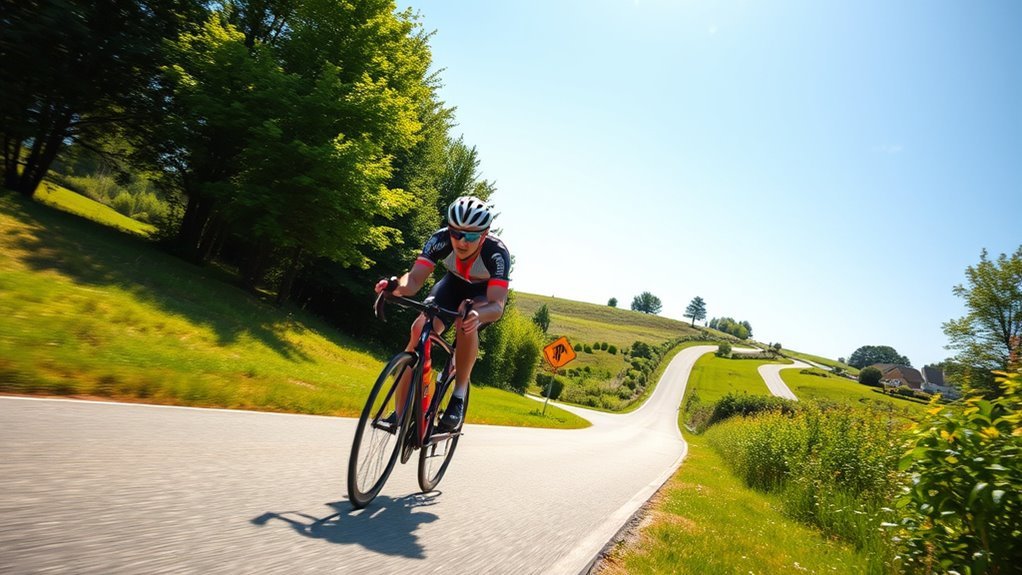
Although your exact time may vary, cycling 10 miles typically takes between 30 minutes and an hour depending on your speed. The average speed you maintain plays a key role in determining your bike time.
For example, casual riders often complete the 10-mile cycling distance in about 45 to 60 minutes, averaging around 10 to 15 mph. Experienced cyclists, especially those on a road bike, can push their speed to 20 mph or more, cutting the bike ride duration to roughly 30 minutes.
Speed factors like terrain, wind, and bike type influence your pace, but your heart rate and fitness level also affect how sustainably you can maintain higher speeds. While the road bike’s design helps increase speed, your conditioning ultimately supports consistent effort.
Understanding these typical 10-mile bike times and speeds gives you a clearer idea of what to expect and how to plan your rides effectively. So, next time you hit the road, you’ll have a better sense of your pace and goals.
How Fitness and Conditioning Affect Your 10-Mile Ride Time
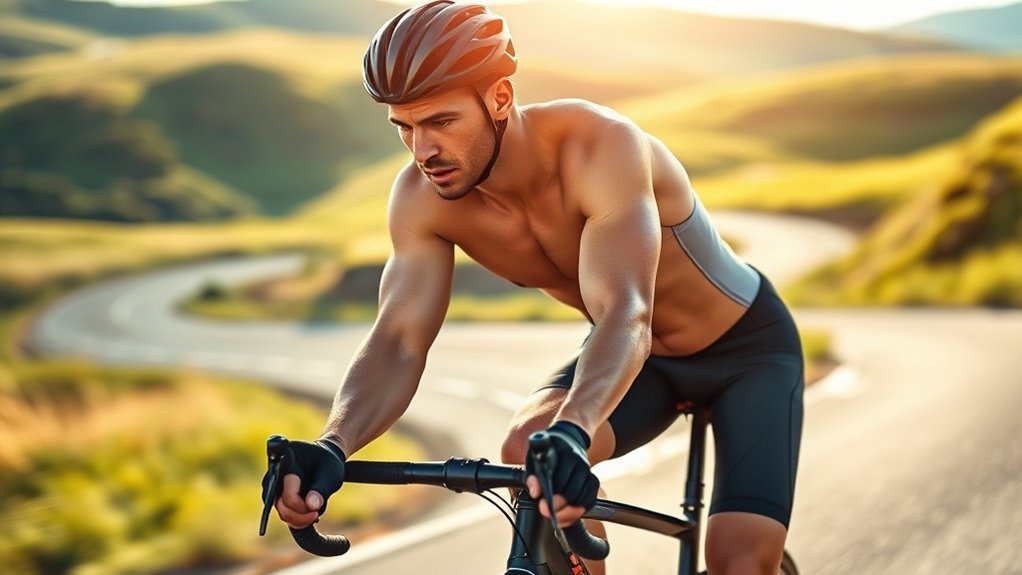
Your fitness and conditioning play a major role in how quickly you can complete a 10-mile bike ride. With higher fitness levels, you can finish this distance in about 40-45 minutes, while less conditioned riders might take 60 minutes or more.
Regular conditioning, like interval training, boosts your cardiovascular capacity and muscle endurance. This helps you maintain higher speeds throughout your ride. Plus, incorporating strength training increases muscle power, which reduces fatigue and supports sustained speed.
Consistent training improves your overall performance, allowing you to ride faster with less effort. Over several weeks, you can cut your 10-mile ride time by 10-20%, depending on your starting fitness and training intensity.
How Terrain, Weather, and Bike Type Impact Your 10-Mile Speed
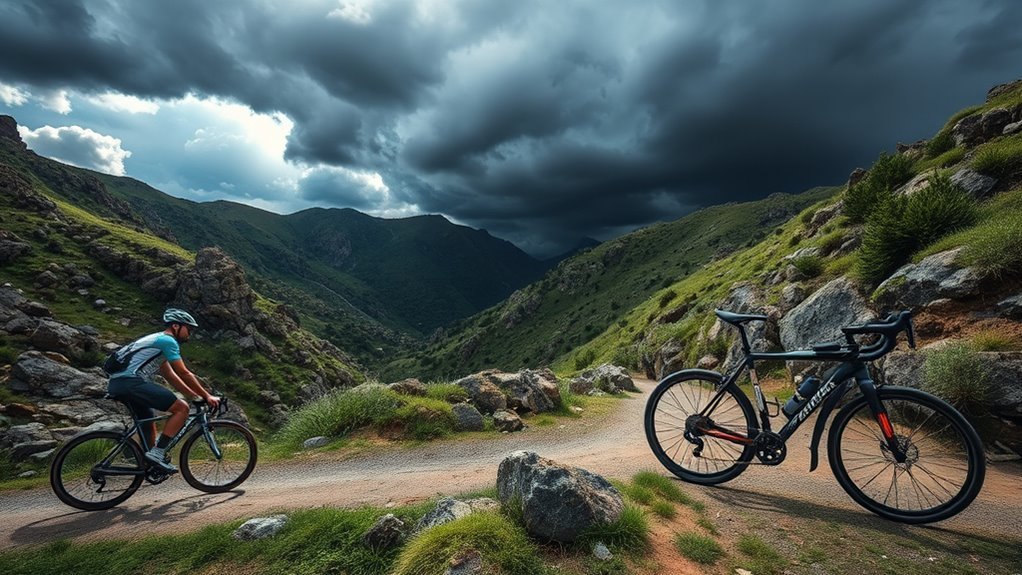
When you factor in terrain, weather, and bike type, your 10-mile ride time can vary considerably. Flat terrain lets you maintain a higher speed, typically finishing in 45-50 minutes on an average bike.
Hilly routes add 10-20 minutes due to changes in elevation and extra effort. Wind conditions also play a big role; a tailwind might shave off about 10 minutes, but headwinds can add the same amount to your ride duration.
Your bike type influences speed too—road bikes are faster on smooth surfaces, covering 10 miles in 30-40 minutes. Mountain bikes, built for rougher terrain, take 10-15 minutes longer.
Surface quality matters as well; uneven or gravel paths reduce your speed by 3-5 mph compared to pavement, increasing ride duration. In sum, terrain, weather, and bike type together shape how quickly you can complete your 10-mile ride.
Frequently Asked Questions
How Long Should a 10 Mile Bike Ride Take?
You should expect a 10-mile bike ride to take about 40 to 60 minutes, depending on your speed and fitness.
If you push harder or ride faster, you might finish closer to 30-40 minutes. It really just depends on how you’re feeling and the terrain you’re on.
What Is the 75% Rule in Cycling?
The 75% rule in cycling means you ride at about 75% of your max effort, so you don’t burn out.
You’ll build endurance faster while still enjoying the ride, keeping fatigue and injury risks low.
It’s a smart way to push yourself without going overboard. Just enough effort to get stronger, but not so much that you crash early.
What Is a Respectable 10 Mile Time?
A respectable 10-mile time is typically between 40 and 60 minutes. If you’re a casual rider, aiming for around 50 minutes shows solid fitness and effort.
That said, competitive cyclists usually finish much faster. So, it really depends on your level and goals.
Is Biking 10 Miles in 1 Hour Good?
Yes, biking 10 miles in 1 hour is good if you’re starting out or prefer a relaxed pace.
It shows consistent effort and stamina, making it a solid achievement for casual or recreational cyclists like you.
Conclusion
You’ll pedal faster when your legs are strong, your lungs are steady, and your heart is ready. You’ll glide smoother when the road is flat, the wind is calm, and your bike fits just right.
You’ll arrive sooner when you prepare well, adjust smartly, and push confidently. By tuning your fitness, choosing your path, and knowing your ride, you’ll turn those 10 miles into a journey of power, control, and speed.
So, remember, how long it takes to bike 10 miles really depends on a few key factors: your fitness level, the route you pick, and how well your bike suits you. Boost your endurance, pick a smooth path, and make sure your bike fits perfectly. When you do that, biking 10 miles won’t just be about distance—it’ll be about feeling strong, riding smart, and enjoying every moment on the road.