Do You Need a License for an Electric Bike?
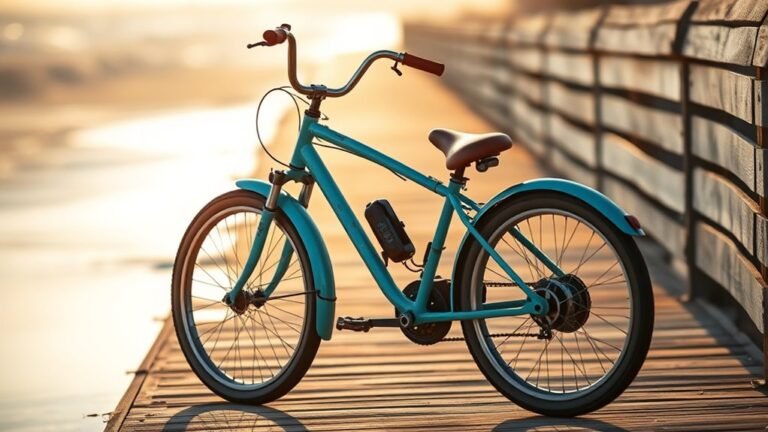
You usually don’t need a license for an electric bike if its motor power stays under 750 watts and it doesn’t assist you beyond 20-28 mph. Many states treat these e-bikes like regular bicycles, so no registration or license is required.
This makes riding an electric bike pretty convenient for most people.
However, if your e-bike is more powerful or faster, you might have to register it and get a driver’s license.
It’s important to know the specific rules where you live because state laws vary quite a bit.
Learn how state laws affect your electric bike use and what rules apply to you. That way, you can enjoy your ride without any legal surprises.
Electric Bike Licensing Requirements by State
Although electric bike licensing rules vary across the U.S., most states don’t require you to have a license if your e-bike meets certain power and speed limits. State laws classify e-bikes into Class 1, Class 2, and Class 3, each with different speed limits and motor power thresholds.
For example, in Texas, if your electric bike’s motor exceeds 750 watts or can go faster than 28 mph, it’s treated as a motor vehicle. That means you’ll need DMV registration and a rider’s license.
Meanwhile, Utah considers e-bikes as bicycles, so no license is needed regardless of class. California generally exempts Class 1, 2, and 3 e-bikes from licensing, but higher-powered models may be regulated like motorcycles.
Knowing these distinctions guarantees you comply with local licensing requirements when riding your electric bike. So, it’s always a good idea to check your state’s specific rules before hitting the road.
Understanding When a License Is Not Necessary for Ebike Use
Understanding when you don’t need a license to ride an electric bike depends largely on how your e-bike is classified and its specifications.
In many places, if your e-bike meets certain ebike laws, you won’t need a license. Here’s when that generally applies:
- Your electric bike’s motor power is under 750 watts.
- The bike’s top assisted speed doesn’t exceed 20-28 mph speed limits.
- The e-bike is classified similarly to a traditional bicycle under local laws.
- You comply with no registration or insurance requirements typical for motor vehicles.
If your e-bike fits these criteria, you can ride without a license, just like a traditional bicycle.
But if it exceeds these specs, you may need registration, insurance, and a license due to motor vehicle classification.
Conclusion
So, whether you need a license for your electric bike really depends on where you live and the type of ebike you ride. In many places, you don’t need a license at all, making it as easy as hopping on your trusty steed from days of yore.
Just remember to check your local laws before you hit the road, so you can enjoy your ride without any unexpected legal hiccups. Knowing if you need a license for an electric bike is key to staying safe and legal.
In short, always look up the rules specific to your area. That way, your electric bike adventures stay fun and hassle-free!