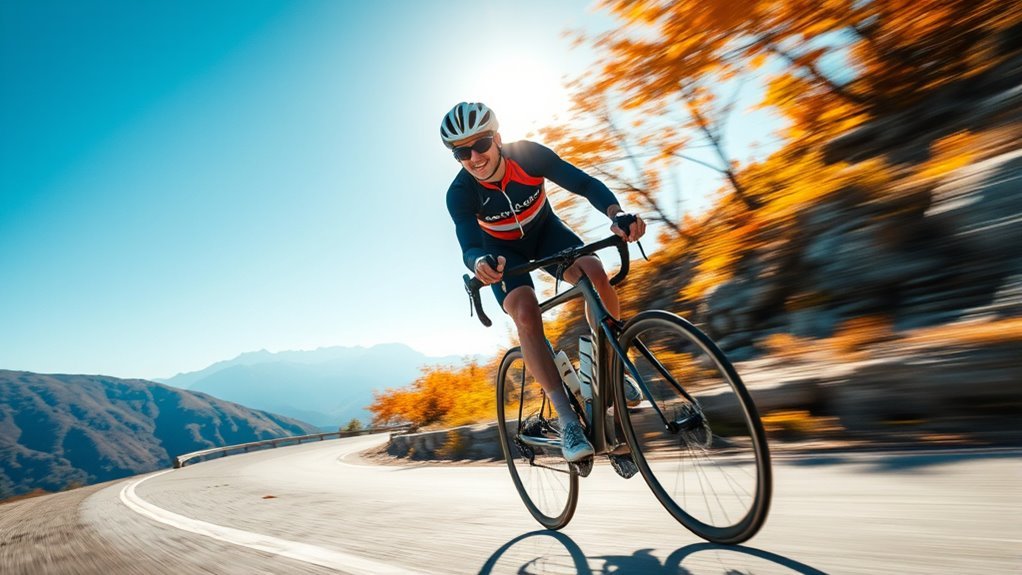
10 Fast Speeds You Can Go on a Bike
You can reach speeds over 80 mph going downhill when you optimize your fitness, aerodynamics, and gear.
On flat terrain, trained riders often cruise between 20-30 mph, while e-bikes can boost your speed up to 28 mph.
Tire choice, weather, and surface conditions also play big roles.
Uphill, expect speeds around 8-12 mph without assistance.
Want to discover how terrain, equipment, and training push these limits even further? It’s amazing how much your bike, the road, and your own skills can change your speed.
Whether you’re racing downhill, cruising on flat roads, or climbing hills, knowing these factors helps you ride faster and smarter.
Ready to explore the top speeds you can hit on your bike? Let’s dive in!
Key Takeaways
- Professional downhill cyclists can reach speeds up to 87 mph on specialized equipment and ideal terrain. It’s pretty amazing how fast they go when everything lines up just right.
- Regular riders typically achieve speeds between 20-40 mph on flat or downhill routes. So, if you’re out for a casual ride, that’s a good range to expect.
- E-bikes with motor assistance can reach speeds up to 28 mph, depending on the class and model. They really help give you that extra push when you need it.
- Uphill speeds without motor help generally range from 8-12 mph, limited by terrain steepness and fitness. Climbing can be tough, but steady effort pays off.
- Tailwinds and smooth surfaces can boost speeds by 5-10 mph, while headwinds and rough terrain reduce speed significantly. Mother Nature definitely has her say in how fast you go!
How Fast Can You Go Downhill on a Bike?
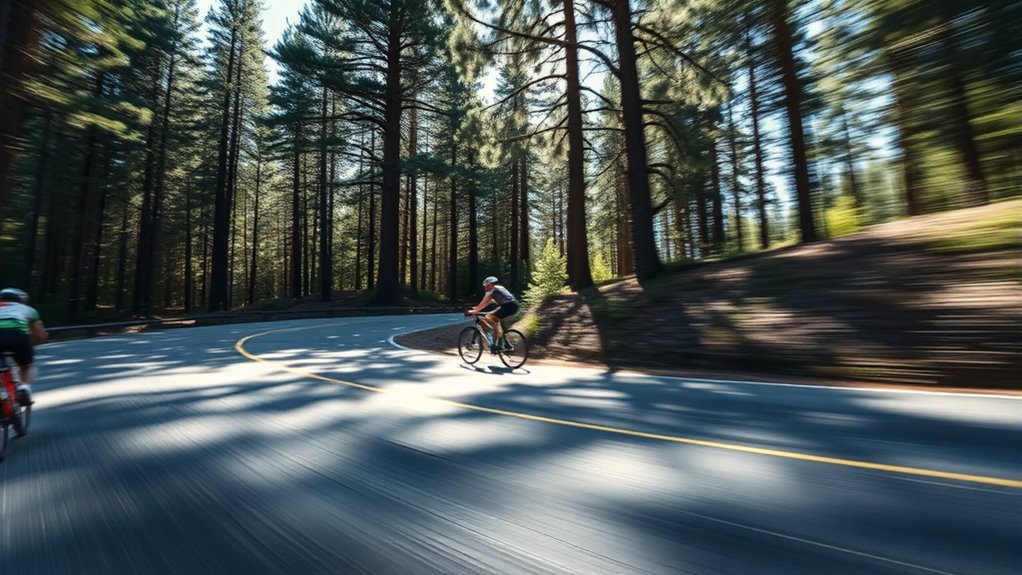
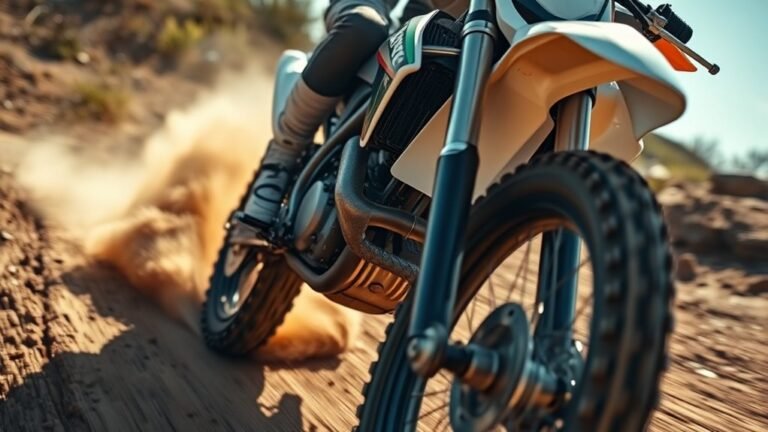
While the fastest recorded downhill speed on a bike reaches about 87 mph using specialized gear, most riders on regular bikes typically hit speeds between 20 and 40 mph depending on the terrain and their skill level.
When you’re speeding downhill, bike aerodynamics play a huge role in how fast you can go. The more streamlined your position and bike design, the less wind resistance you face, allowing you to push harder and reach higher speeds.
You’ll notice that even slight changes in posture or equipment can affect your downhill speeds markedly. Remember, safety is essential—wear full-face helmets and protective clothing when going fast.
Although you can’t always control external factors, understanding how bike aerodynamics influence your speed helps you optimize your ride and enjoy the thrill of descent with confidence. So, focus on how you position yourself and your bike to get the most out of your downhill runs.
How Terrain Affects Your Maximum Riding Speed
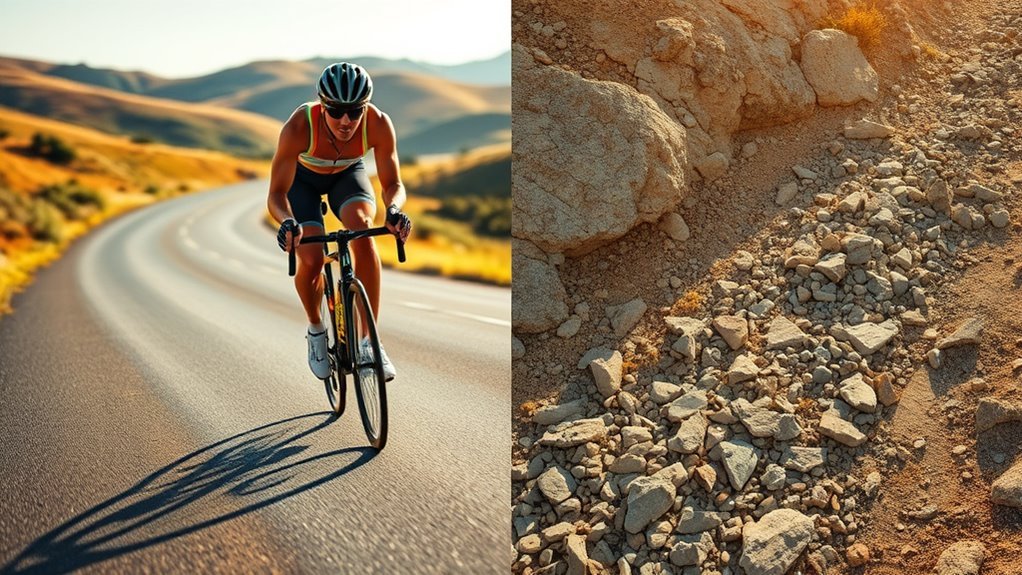
Your maximum speed on a bike changes a lot depending on the terrain you’re riding. You’ll hit your fastest speeds going downhill, while uphill climbs slow you down considerably.
Plus, smooth surfaces let you maintain speed better than rough or uneven ground. It just makes sense, right? Riding on rough terrain takes more effort and slows you down.
Downhill Speed Advantages
Because downhill terrain reduces pedaling effort and leverages gravity, you can reach much higher speeds than on flat ground. Your downhill speed depends on the steepness and length of the slope—steeper, longer descents let you hit a high top speed with less pedaling.
Smooth asphalt and long gradients create ideal conditions, letting you coast faster and maintain momentum. For example, descending bridges or extended slopes can push your speed over 32 mph, especially when wind direction works in your favor and surface quality is excellent.
As you ride downhill, remember that environmental factors affect how fast you can safely go. Taking advantage of these downhill speed advantages lets you experience thrilling rides with less effort and a much higher top velocity than you’d achieve on flat terrain.
Uphill Speed Limitations
Although downhill speeds can soar with ease, uphill riding presents clear limitations that slow you down considerably. Uphill speeds are much lower, often hovering around 15 mph or less even with motor assistance.
Without motor help, climbing steep grades usually limits you to 8-12 mph due to the extra effort and resistance. Your maximum uphill speed depends on factors like your fitness, bike weight, gear ratio, and the terrain’s steepness.
Even powerful motors rarely push sustained uphill speeds beyond 20 mph because of safety and mechanical limits. Plus, features like switchbacks reduce momentum, forcing you to slow down even more.
Understanding these uphill speed limitations helps you set realistic expectations for challenging climbs and manage your energy efficiently. It’s all about pacing yourself and knowing what your bike and body can handle.
Surface Impact On Speed
How much does the surface you’re riding on affect your top speed? Quite a bit. Smooth, flat terrain lets you reach higher speeds with less effort, often hitting 20-35 mph downhill.
On the other hand, rough asphalt increases rolling resistance, slowing you down compared to smooth pavement. If you hit gravel or uneven surfaces, your speed drops considerably, and safety becomes a concern.
Downhill stretches, like long grades or bridges, can push your speed over 27.8 mph, but climbing hills slows you to around 15 mph—even with motor assistance—due to the added effort.
The Role of Rider Fitness in Achieving Top Speed
Your fitness directly impacts how much power you can push through the pedals, which sets your top speed. Building endurance helps you maintain those high speeds without burning out quickly.
With consistent training, you’ll boost both your strength and stamina for faster rides. It’s all about staying strong and keeping that energy up.
Power Output Importance
Why does rider fitness matter so much when chasing top speeds on a bike? It all comes down to power output. The stronger and more conditioned your legs are, the more watts you can generate, directly boosting your average speed.
Beginners typically sustain 100-150 watts, while trained riders can push over 250 watts, dramatically increasing speed. Pretty impressive, right?
Here’s why improving your fitness is essential:
- Higher power output means faster speeds, especially on flat terrain.
- Increased fitness lets you maintain high power without tiring quickly.
- Stronger legs produce more watts for quicker acceleration.
- Targeted training improves your maximum achievable speed.
Focusing on power output through fitness is the key to accessing your true cycling speed potential. So, if you want to go faster, getting fit is the way to go!
Endurance and Speed
Although raw power gets you moving fast, endurance lets you hold that speed longer—so your fitness plays a crucial role in sustaining top speeds on the bike. When your cardiovascular endurance improves, you can maintain higher speeds without tiring quickly.
For example, trained amateur cyclists produce over 250 watts, sustaining speeds of 18-20 mph on flat terrain. In contrast, beginners average just 10-14 mph because they generate 100-150 watts and lack the endurance to go faster.
Your leg strength and overall conditioning directly affect how much power you can produce and how long you can keep it up. By building endurance, you’ll boost your average speed and enjoy longer rides at faster paces—making fitness essential for reaching and sustaining top cycling speeds.
Training Benefits
Because rider fitness directly influences power output, improving your conditioning lets you achieve faster cycling speeds.
The training benefits go beyond just speed; they enhance overall performance and endurance. With well-conditioned legs, you can sustain 250+ watts, reaching speeds of 18-20 mph or more on flat terrain—well above the average cycling speed.
Regular training also boosts cardiovascular endurance, helping you maintain these speeds longer without fatigue.
Here are key training benefits to focus on:
- Increased power output for higher top speeds
- Improved pedaling efficiency for better acceleration
- Enhanced endurance to sustain pace over distance
- Reduced fatigue for safer, longer high-speed rides
Focus on these areas, and you’ll see your cycling speed climb steadily.
The Impact of Aerodynamics on Bike Speed
When you push your bike past 20 km/h, air resistance quickly becomes the main force working against you. That’s why understanding aerodynamics is crucial if you want to boost your speed.
By reducing air resistance through aerodynamic bike frames and streamlined accessories, you can significantly increase how fast you go. Wearing fitted clothing and an aero helmet cuts down drag, helping you conserve energy at higher speeds.
You can also improve aerodynamics with small adjustments like lowering your torso and bending your elbows to reduce wind resistance. Aerodynamic wheel designs and aero tubes in your bike’s frame further minimize drag.
This allows you to maintain faster speeds with less effort. When every second counts, focusing on aerodynamics can make a big difference in how quickly you ride.
How Tire Choice Influences Your Fastest Ride
Your tire choice plays a big role in how fast you can go, especially when it comes to rolling resistance. Narrow, high-pressure tires usually help you speed up on smooth roads, but wider tires can keep pace if they’re optimized.
Keeping your tires properly inflated also cuts down energy loss. This means you can ride faster with less effort. Makes a big difference, right?
Tire Type And Speed
Three key tire factors can dramatically influence how fast you ride: width, pressure, and shape. Your choice of tire type directly affects rolling resistance, which impacts speed. Narrow, high-pressure tires typically lower rolling resistance, boosting speed on smooth roads.
However, wider tires with the right pressure can match this speed while offering better control and comfort. To optimize your ride, keep these points in mind:
- Choose tire width based on your terrain and comfort needs.
- Inflate tires to the recommended pressure to avoid increased rolling resistance.
- Select aero-shaped tires to minimize drag.
- Use lightweight materials to reduce overall tire weight.
Proper maintenance, including regular inflation and alignment, guarantees you maintain your fastest ride. It’s all about keeping things smooth and efficient out there!
Rolling Resistance Effects
Although tire choice might seem simple, it plays a crucial role in reducing rolling resistance and boosting your top speed. Proper maintenance, especially keeping your tires properly inflated, minimizes rolling resistance and helps you ride faster with less effort.
Narrow, high-pressure tires usually offer lower rolling resistance on smooth pavement, letting you glide more efficiently. Tires with smooth, treadless surfaces reduce friction by limiting contact with the road, which also enhances speed.
However, don’t discount wider tires—they can roll just as fast if you maintain the right pressure and optimize them for low resistance. On the flip side, rough or underinflated tires increase rolling resistance, slowing you down.
When and Why to Slow Down for Safety
When approaching sharp turns or steep downhill sections, you’ll need to slow down to maintain control and avoid accidents. Speed plays a vital role in your safety, so knowing when to reduce it can prevent dangerous situations.
Here are four key times to slow down:
- When visibility is poor or the area is crowded, slow down to avoid collisions with pedestrians, vehicles, or other cyclists.
- On wet or slippery surfaces, take it easy because reduced traction increases the risk of skidding or falling.
- When riding over rough or uneven terrain, slow down to keep your balance and protect your bike from damage.
- Near road intersections or crossing points, ease off the speed to give yourself enough reaction time for any unexpected hazards.
How E-Bikes Boost Bike Speed
E-bikes can boost your riding speed by several kilometers per hour, making your trips faster and less tiring. With motor assistance, e-bikes help you maintain higher speeds effortlessly, especially when tackling hills or rough terrain.
Class 1 and 2 e-bikes typically add about 2 km/h to your speed, while Class 3 models can increase it by up to 9 km/h compared to traditional bikes. This means you can cruise comfortably between 15 to 20 mph, and if you’re experienced, reach speeds up to 28 mph on Class 3 e-bikes.
Thanks to this speed boost, you’ll cover longer distances more quickly, turning your daily commute or recreational ride into a more efficient experience. Ultimately, e-bikes let you ride faster without exhausting yourself.
That way, you can enjoy smoother, quicker rides while preserving your energy for what matters most.
Why the Right Helmet Matters at High Bike Speeds
Increasing your bike speed, especially beyond 27.8 mph, means you need to pay close attention to safety gear—starting with the right helmet. At high speeds, the risk of head injury grows due to greater impact forces, making helmet choice critical.
A helmet designed for these conditions offers reinforced materials and extra padding to absorb energy effectively.
Here’s why the right helmet matters at high speeds:
- Full face helmets provide maximum protection by covering more vulnerable areas.
- Proper fit prevents shifting, ensuring the helmet stays secure during crashes.
- Aerodynamic features reduce wind resistance, improving comfort and stability.
- Reinforced construction absorbs higher impact forces typical at fast speeds.
Wearing the right helmet doesn’t just protect your head—it also enhances your overall riding experience when you push your limits. So, don’t compromise on safety as you chase faster speeds on your bike.
How Weather and Wind Affect Your Riding Speed
Although you can control many factors on your bike, weather and wind conditions often have the final say on your speed. Headwinds create significant wind resistance, slowing you down by several kilometers per hour and forcing you to expend more energy just to maintain pace.
On the flip side, tailwinds can boost your speed by 5-10 mph, depending on their strength, giving you a noticeable push forward. Calm, smooth weather lets you ride faster with less effort since you don’t battle extra resistance.
But rough roads or extreme weather like rain or snow sap your energy, reduce traction, and force you to slow down for safety. So, while you can optimize your bike and gear, keep in mind that wind resistance and weather conditions often determine how fast you actually go.
Planning your ride around favorable weather can make a real difference in your cycling speed and enjoyment. It’s worth checking the forecast before you head out!
Fastest Speeds Recorded by Everyday Riders and Pros
Weather and wind can shape how fast you ride, but knowing the top speeds achieved by both everyday cyclists and pros gives you a clearer picture of what’s possible.
Your average bike speed might hover around 15-20 mph on flat terrain, but downhill sections let you push much harder. Here’s a quick look at some top speeds recorded:
- Everyday riders reach downhill speeds up to 27.8 mph, usually with helmets for safety.
- E-bike riders can hit around 40 mph during fast rides.
- Pros can exceed 50 mph on steep descents, showcasing elite skill and courage.
- Most riders keep their speed below their top speed to stay safe, especially on tricky routes.
Frequently Asked Questions
Can You Go 30 Mph on a Bicycle?
Yes, you can hit 30 mph on a bicycle, especially if you’re experienced or using an e-bike. Just make sure you wear proper safety gear and ride in controlled conditions to stay safe while reaching those speeds.
It’s totally doable, but remember, safety first! So, gear up and pick the right place to ride.
Is It Possible to Go 70 Mph on a Bike?
You can’t reach 70 mph on a regular bike by pedaling alone. To hit that speed, you’d need a motorized or turbine-powered bike.
Human power just isn’t enough to push you that fast safely. It’s simply not possible with a standard bike.
Can a Bicycle Go 200 Mph?
You can’t reach 200 mph on a normal bike. Even the fastest cyclists rely on special setups and drafting behind vehicles to approach those speeds.
It’s simply beyond what regular bikes and human power allow. No matter how strong you are, hitting 200 mph on a standard bike just isn’t possible.
Can You Go 40 Mph on a Bike?
You can absolutely rocket down hills at 40 mph on a bike!
With the right gear, steep slopes, and a bit of courage, you’ll feel the wind blast past like a jet—just remember your helmet!
Conclusion
You can definitely reach impressive speeds on your bike, especially when factors like terrain, fitness, and equipment come together.
Imagine Sarah, who hit 45 mph downhill thanks to her aerodynamic helmet and slick tires on a smooth road. Whether you’re a casual rider or chasing records, understanding these elements helps you ride faster and safer.
So, gear up smartly and enjoy the thrill of pushing your speed limits on every ride! Remember, knowing how to optimize your bike and body can make a huge difference in your fast speeds. Stay safe and keep the excitement alive as you explore the 10 fast speeds you can go on a bike!