What Is the Average Speed of a Bicycle?
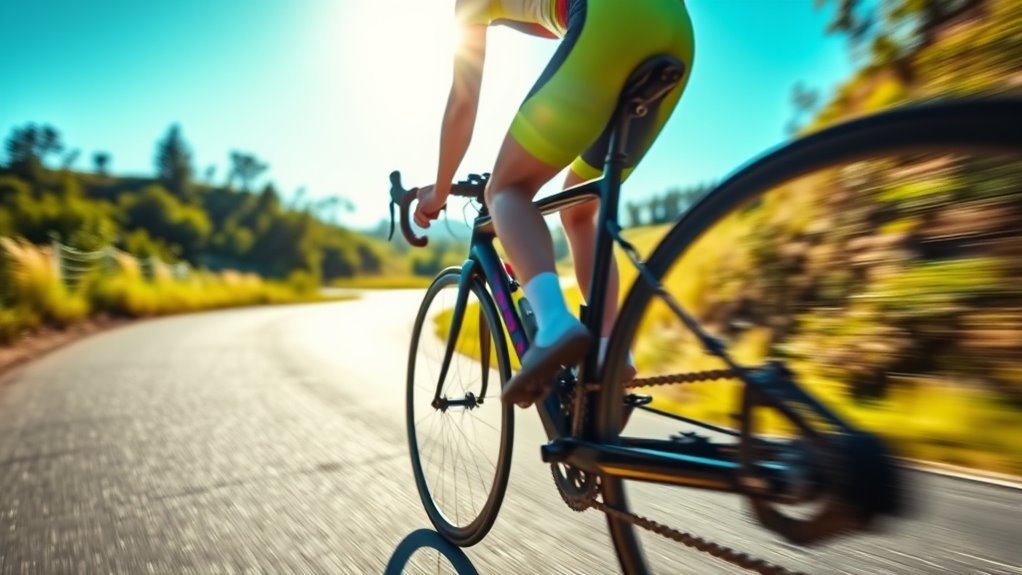
You typically average about 12 to 15 miles per hour when cycling on flat terrain with a decent bike and some experience. The average speed of a bicycle depends on several factors like terrain, weather, and the quality of your equipment.
Knowing your average speed can help you set goals and track your progress as you ride.
Your speed depends on many things—terrain type, weather, equipment quality, and how well you maintain your bike.
As you gain riding skills and learn to manage effort and technique, you can boost your average speed.
Understanding these factors will help you improve how fast you ride and enjoy the journey more.
With a bit of practice, you’ll notice your average speed going up, making every ride more rewarding.
Key Takeaways
- Average cycling speed varies widely, typically ranging from 12 to 20 mph depending on terrain and rider experience.
- Flat terrain enables faster speeds, while hilly or challenging conditions naturally reduce average cycling speed.
- Equipment quality, including bike weight and tire pressure, significantly influences overall cycling speed.
- Weather conditions such as wind and temperature can either hinder or enhance a cyclist’s average speed.
- Rider experience, technique, and psychological factors like motivation and confidence affect sustainable cycling speed.
What Factors Influence Average Cycling Speed?
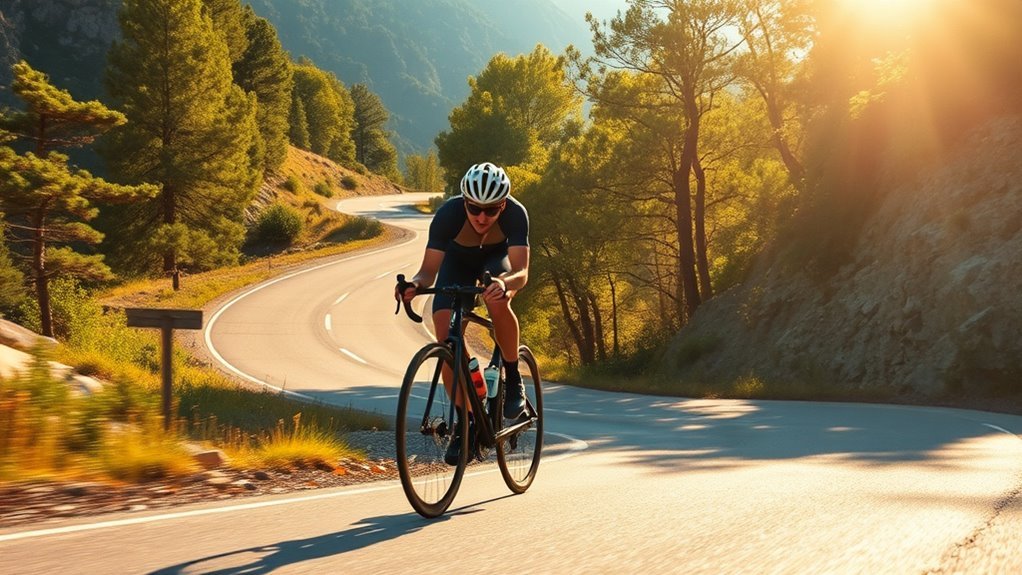
Although you might focus on your pedaling, several external factors play an essential role in determining your average cycling speed. The terrain you ride on profoundly affects how fast you go; flat surfaces generally let you maintain higher speeds compared to hilly routes.
Your average cycling speed depends not just on pedaling but also on terrain and external conditions.
Geographic location ties into this, as some areas naturally provide more challenging terrain. Weather conditions, especially wind resistance and temperature, can either slow you down or help you along.
Your equipment also matters—lighter bikes with quality materials reduce rolling resistance and improve efficiency. Proper tire pressure minimizes friction, allowing you to maintain your power output more effectively.
Psychological factors, like your motivation and perception of effort, subtly influence your actual speed by affecting how hard you push yourself. All these elements interact, shaping the average speed you achieve on any given ride, beyond just how fast you pedal.
How Rider Experience Affects Average Cycling Speed
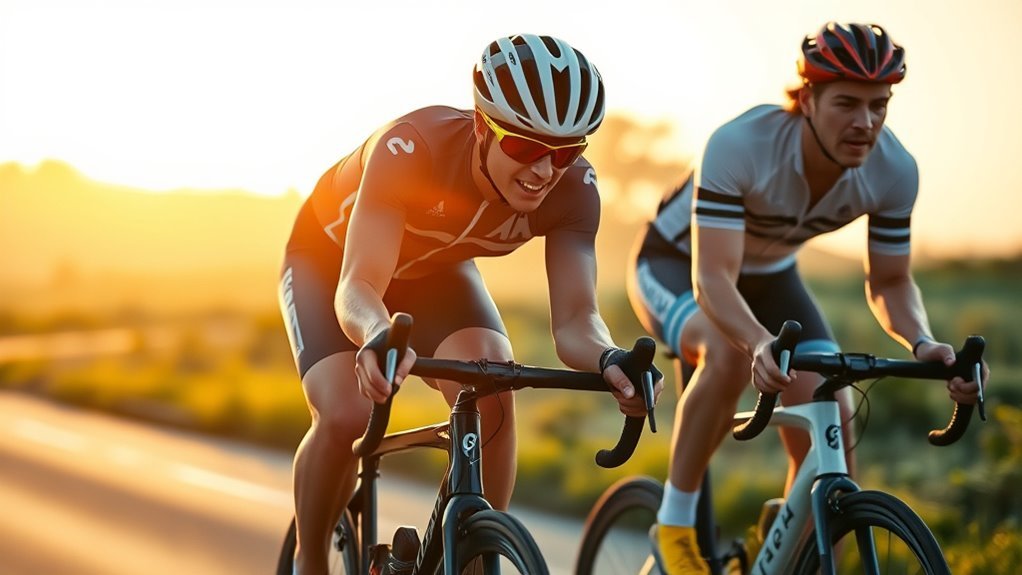
When you gain more cycling experience, your average speed naturally improves because you develop better technique and endurance. As your rider experience grows, you start optimizing pedaling efficiency and gear selection, which boosts your average cycling speed.
You learn to pace yourself wisely, balancing effort to avoid early fatigue. Improved terrain management lets you tackle hills and curves more smoothly, maintaining momentum.
Your riding strategy evolves, helping you choose the best lines and conserve energy. Fatigue management becomes second nature, allowing you to sustain higher speeds over longer distances without burning out.
Beginners often average about 10-12 mph, but with experience, many cyclists exceed 15-20 mph thanks to enhanced cycling efficiency and smarter pacing.
Frequently Asked Questions
Is Biking 10 Mph Fast?
Biking 10 mph isn’t fast, but it’s steady and comfortable. You can chat easily and enjoy the ride without stressing.
It’s perfect if you’re cruising casually or commuting at a relaxed, manageable pace.
What Is the Average Bike Speed for a 60-Year-Old?
Like a seasoned marathoner pacing steadily, you’ll average about 12 to 15 mph at 60.
With regular training, you might push closer to 16 or 18 mph, depending on your health and terrain.
Is 40 Mph on a Bike Fast?
Yes, 40 mph on a bike is very fast. You’d typically only hit that speed downhill or in a race.
Most riders don’t reach it without special conditions or professional-level effort and equipment.
Is 20 Mph Cycling Fast?
You’re cycling at 20 mph, which is faster than most recreational riders who average around 12-15 mph. You’re cruising at an intermediate pace, showing good fitness and effort without reaching professional speeds.
Keep pushing! You’re doing great and building up your strength and endurance. Just keep enjoying the ride!
Conclusion
So, you want to know your average cycling speed? Well, it’s not just about how fast you pedal—it’s about your experience, the terrain, and even the wind playing tricks on you.
Ironically, the more you try to go faster, the more you realize it’s not just speed that matters, but how smoothly you ride.
So next time, don’t stress the numbers—enjoy the ride and let your speed surprise you.
Remember, the average speed of a bicycle depends on many factors like rider skill, terrain, and weather conditions. Instead of obsessing over the exact number, focus on improving your technique and having fun. After all, cycling is as much about the journey as it is about the speed. Embrace the ride, and your average cycling speed will naturally improve over time.