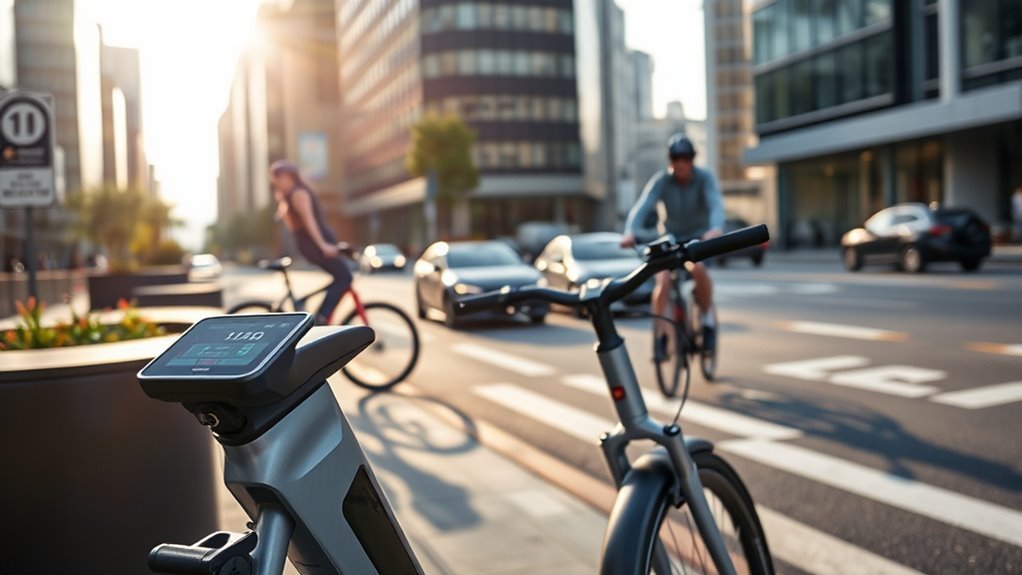
Do You Need a License to Drive an Electric Bike?
You usually don’t need a license to ride an electric bike if it meets local power and speed limits, especially for Class 1 and Class 2 e-bikes. These types are designed to be easy and accessible without extra paperwork.
But keep in mind, rules can vary quite a bit depending on where you live.
For example, states like Alaska, Hawaii, and New Jersey have stricter regulations or even require registration for e-bikes.
If you’ve modified your electric bike to go faster or have more power, you’ll often need a license.
Knowing your e-bike’s class and the local laws helps you stay compliant and ride safely.
So, it’s a good idea to check the specific rules in your area before hitting the road.
Keep exploring to understand how these rules apply to you.
Key Takeaways
- Most U.S. states do not require a license for e-bikes that meet specific power and speed limits. Class 1 and Class 2 e-bikes typically do not need a driver’s license in many states.
- However, Class 3 e-bikes may require licensing because they can go faster. So, if you’re riding a Class 3, check your local rules.
- Some states, like Alaska, Hawaii, and New Jersey (starting 2026), have stricter licensing or registration rules. It’s a good idea to stay updated on those.
- Also, if you modify your e-bike’s speed or power, it could change its classification. That might mean you need a license after all.
Do You Need a License to Ride an E-Bike?

Wondering if you need a license to ride an e-bike? Generally, most U.S. states don’t require a driver’s license for electric bikes that meet specific power thresholds and speed limits. E-bike laws often classify these bikes similarly to traditional bicycles, granting licensing exemptions to riders who follow local regulations and riding requirements.
States like California, Florida, and New York treat e-bikes as bicycles, meaning you won’t face a license requirement if your e-bike fits within those classifications. However, if your electric bike exceeds set power or speed limits, some states—such as Alaska and Hawaii—may require licensing or registration.
Keep in mind, modifying your e-bike to boost speed or power can change its classification and trigger licensing rules. Rider age may also factor into specific local regulations, so it’s wise to check your area’s rules.
Staying informed ensures you ride legally and safely without unexpected license hassles.
E-Bike Licensing and Registration Rules by State
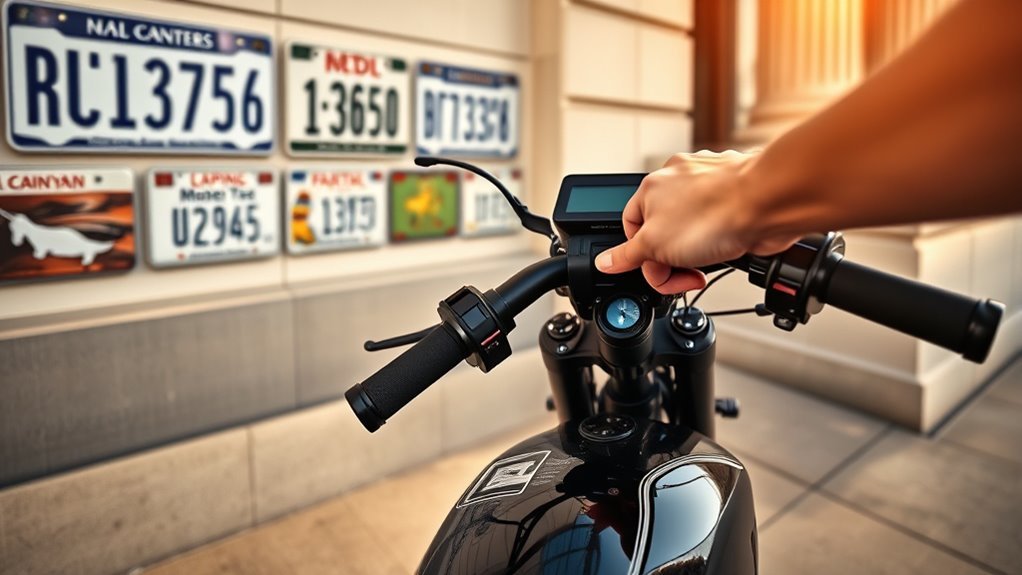
Although e-bike laws vary widely across the U.S., most states don’t require you to have a driver’s license or register your electric bike if it meets specific power and speed limits. For example, in states like California, Colorado, and Florida, local regulations treat Class 1 and Class 2 e-bikes as bicycles, exempting them from e-bike licensing and registration.
However, Class 3 e-bikes, which can reach higher speeds, might face stricter rider requirements. So, it’s not always the same rules across the board.
Some states, such as Alaska and Hawaii, impose more stringent rules, requiring registration or licensing for motorized or power-assisted bikes. It’s a bit tougher there compared to other places.
Importantly, starting in 2026, New Jersey will enforce registration and licensing for e-bikes exceeding certain power thresholds or speed limits. This is something to keep an eye on if you’re riding in that state.
It’s vital to check your state laws and local regulations to understand how e-bike licensing, registration, and rider requirements apply to your specific e-bike class. That way, you can guarantee you’re riding legally.
Frequently Asked Questions
What Kind of Electric Bike Can You Ride Without a License?
You can ride Class 1 or 2 electric bikes without a license, as long as their motor is 750W or less and they don’t exceed 20 mph.
Just make sure they meet your state’s specific rules. It’s always a good idea to double-check before you ride!
What Happens if You Get Caught on an Electric Bike?
Imagine flashing red lights behind you as you ride—if caught, you’ll face fines, possible bike impoundment, or legal charges.
You might even get a citation that haunts your record, so ride smart and follow rules.
Better safe than sorry, right? Stay alert and play it cool out there!
Are E-Bikes Legal in Maryland?
Yes, e-bikes are legal in Maryland. You can ride them on most bike paths and roads if they meet state definitions.
Just remember, Class 3 riders need to be 16 or older and follow specific rules. It’s pretty straightforward once you know the basics!
Do You Need a License for an Ebike in Florida?
You don’t need a license to ride most e-bikes in Florida if they have motors under 750W and don’t exceed 20 mph.
Just make sure your e-bike fits those limits to avoid licensing requirements.
Conclusion
So, do you really need a license to ride an electric bike? It depends on where you live and the type of e-bike you have. Some states require licenses, registration, or even insurance, while others don’t.
Knowing your local rules helps you ride confidently and legally. After all, why risk a fine or trouble when you can enjoy your e-bike hassle-free?
Stay informed about e-bike laws in your area to avoid any surprises. Riding your electric bike safely and legally means less stress and more fun on the road.
Remember, whether you need a license or not, following local regulations and safety guidelines is key to enjoying your electric bike with peace of mind. Stay safe, stay legal, and keep enjoying your electric bike adventures!