How Long Does It Take to Bike 20 Miles: 10 Factors Explained
You can expect to bike 20 miles in about one to one and a half hours, depending on your fitness, experience, terrain, weather, and bike type.
These factors all play a role in how fast or slow you’ll go.
Hills, wind, and traffic can definitely slow you down.
On the other hand, good training, proper gear, nutrition, and pacing can help speed you up.
Staying motivated and adjusting your effort as you ride makes a big difference, too.
If you want to understand how these factors work together and fine-tune your ride, keep exploring the details.
Key Takeaways
- Recreational cyclists typically bike 20 miles in 1h10m to 1h30m at an average speed of 15 mph, while elite cyclists finish under 48 minutes.
- Terrain, weather, and traffic can significantly affect speed. Hills, headwinds, and stops all add to your overall ride time.
- Fitness and cycling experience influence pace. Trained riders often maintain 17-20 mph, while beginners usually ride between 12-16 mph.
- Proper bike fit, gear optimization, and maintenance reduce resistance. This helps enhance riding efficiency and comfort.
- Nutrition, hydration, mental focus, and steady pacing are essential. They help you sustain energy and optimize your 20-mile ride times.
Typical 20-Mile Cycling Times and What to Expect
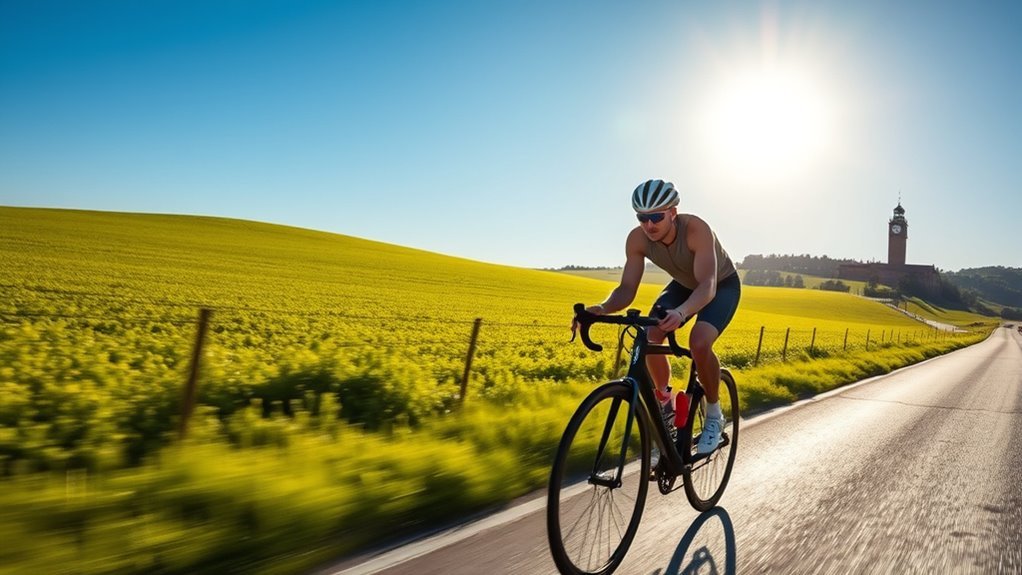
Although many factors affect your ride, you can typically expect to complete 20 miles in about 1 hour 10 minutes to 1 hour 30 minutes if you’re a recreational cyclist. This range reflects common cycling times for a 20-mile ride, with the average speed hovering around 15 mph.
Your pace and the duration of your ride depend on conditions like terrain and wind, but for most casual riders, this timeframe is a reliable benchmark.
Tracking your cycling times over several rides helps you understand your endurance and progress at this distance. While elite cyclists can finish a 20-mile ride in under 48 minutes, you don’t need to worry about that level right now.
Instead, focus on maintaining a steady pace that feels comfortable. As a recreational cyclist, knowing typical cycling times like these will give you realistic expectations and help you plan your rides better.
How Rider Fitness and Experience Affect Your 20-Mile Time
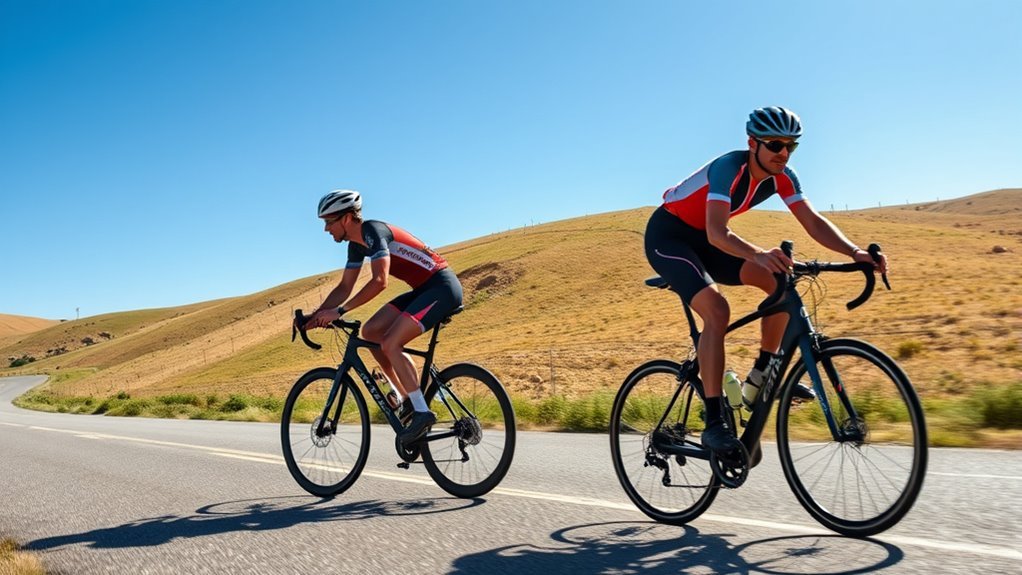
Your fitness level and cycling experience play a major role in how quickly you can cover 20 miles. If you have strong rider fitness, including good muscle strength and cardiovascular health, you can expect to ride faster and more efficiently.
Experienced cyclists often complete 20 miles in under 1 hour 10 minutes, averaging 17-20 mph. Beginners or those less fit usually take longer—between 1 hour 15 minutes and 1 hour 35 minutes—at speeds around 12-16 mph.
Consistent training improves your aerobic capacity and cycling technique, helping you boost speed and endurance. The more you ride, the better you get at pacing yourself and conserving energy, which reduces your overall time.
Why Terrain and Weather Impact Your 20-Mile Ride
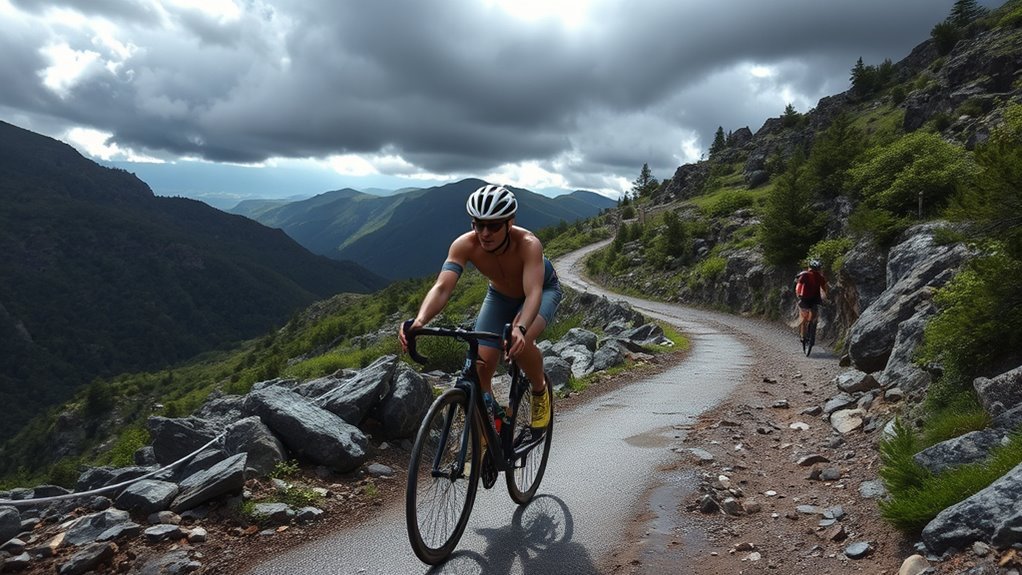
Because terrain and weather directly affect your cycling conditions, they play a crucial role in determining how long it takes to bike 20 miles. When you face uphill terrain, your average speed can drop by 2-4 mph, which adds extra time to your ride.
On the other hand, flat terrain lets you maintain or even increase your pace, helping you finish faster.
Weather also has a big impact. Strong headwinds can slow you down by up to 10 mph, considerably extending your ride time.
Conversely, a tailwind can boost your speed, cutting down the time needed. Wet or rainy weather makes roads slippery and can reduce your confidence, forcing you to ride more cautiously and slower.
How to Adjust Your Pace for Terrain, Weather, and Traffic
When riding 20 miles, adjusting your pace to match terrain, weather, and traffic helps you maintain consistent effort and conserve energy. You’ll want to slow down on hills and speed up on flat stretches to keep your effort steady.
Before climbs, reduce your pace slightly, then accelerate on descents to maximize energy use efficiently.
In bad weather like rain or strong headwinds, cut back your pace to stay safe and avoid burnout. Keep an eye on weather updates so you can adapt your speed as conditions change.
Traffic also affects your pace—anticipate stops at signals and adjust smoothly to maintain rhythm, minimizing time lost at intersections.
How Your Bike and Gear Influence 20-Mile Cycling Speed
Your bike’s type and condition play a big role in how fast you can cover 20 miles. Choosing the right gear ratios helps you pedal more efficiently, especially when tackling hills.
Optimizing both your bike and gear can shave valuable minutes off your ride time. It’s all about making your ride smoother and faster.
Bike Type Impact
Although many factors influence your 20-mile cycling speed, the type of bike and gear you use play an essential role. The bike type you choose can markedly impact how fast you cover those 20 miles.
Road bikes, designed with lightweight, aerodynamic frames and narrower tires, typically allow you to ride faster on paved surfaces compared to mountain bikes, which are heavier and built for rough terrain. A bike that fits well—considering saddle position and handlebar reach—also boosts your endurance and speed.
Additionally, quality components like smooth drivetrains and tires suited to your terrain reduce resistance, helping you maintain a quicker pace. Choosing the right bike type tailored to your route and riding style sets the foundation for faster, more efficient 20-mile rides.
Gear Optimization
Since every detail counts in cycling, optimizing your bike and gear can greatly boost your 20-mile speed. Gear optimization starts with proper tire inflation and well-maintained gears, which reduce rolling resistance and let you maintain higher speeds.
Choosing a lightweight bike and aerodynamic accessories, like clipless pedals and helmets, cuts drag and improves power transfer. Upgrading to high-quality drivetrains minimizes mechanical resistance, making pedaling smoother and more efficient.
Don’t overlook your clothing: moisture-wicking jerseys and padded shorts enhance comfort and endurance. This helps you sustain speed over the distance.
Why Nutrition and Hydration Matter for 20-Mile Rides
To ride 20 miles efficiently, you need to fuel up before you start and stay hydrated throughout. Drinking small amounts of water or electrolytes every 15-20 minutes keeps your energy steady and prevents fatigue.
Skipping these steps can reduce your power output and slow your overall time. So, don’t overlook the importance of staying fueled and hydrated—it really makes a difference!
Pre-Ride Fueling Tips
When you fuel your body properly before a 20-mile ride, you’ll boost your endurance and energy levels considerably. Start by eating a balanced meal 1-2 hours before cycling, focusing on carbohydrates to provide sustained energy and avoid mid-ride crashes.
Choose light, easily digestible foods and avoid heavy or greasy meals that can cause discomfort and sluggishness. Hydrating before you ride is just as important—drink water or an electrolyte beverage to guarantee your body is well-hydrated.
Proper hydration helps maintain your power output, as dehydration can reduce it by 2-3%. Also, a small, carb-rich snack about 30 minutes before you start can top off your energy stores.
This way, you’ll feel strong and ready to tackle those 20 miles with ease.
Hydration Strategies During Riding
Fueling up before your ride sets the stage, but staying properly hydrated while you bike keeps your energy steady and your muscles working efficiently. To maintain hydration during a 20-mile ride, drink small amounts of water or electrolyte-rich beverages every 15-20 minutes.
This helps replace lost fluids and minerals, especially in hot or humid conditions. Consuming carbs alongside electrolytes supports your energy and helps prevent muscle cramps and fatigue.
Pay attention to your body’s thirst signals and plan hydration breaks accordingly to stay comfortable and safe throughout your ride. Proper hydration not only boosts endurance but also makes your cycling experience more enjoyable by keeping fatigue at bay and your performance strong.
Effects Of Dehydration
Although you might not notice it immediately, dehydration can considerably reduce your cycling power output by 2-3%, slowing your 20-mile ride time. Even mild dehydration can cause fatigue, dizziness, and decreased concentration, making your ride much harder than it should be.
Staying properly hydrated before and during your ride helps maintain peak performance and endurance. Drinking water or electrolyte drinks and eating small, carb-rich snacks prevent dehydration and support better thermoregulation, keeping you cool and safe throughout your effort.
If you ignore hydration, you risk impaired focus and slower recovery. So, to ride efficiently and comfortably, prioritize hydration—your body needs it to sustain power and speed over those 20 miles.
How Consistent Training Can Improve Your 20-Mile Time
Because consistent training builds your aerobic capacity and endurance, you’ll see noticeable improvements in your 20-mile ride times. When you commit to regular rides and structured workouts, your body adapts, allowing you to sustain higher power outputs and pace more efficiently.
Here’s how consistent training makes a difference:
- Interval Workouts: Incorporating efforts like sweet-spot intervals (2 × 20 minutes at 88–93% FTP) boosts your sustained power, cutting down overall ride time.
- Progressive Mileage: Gradually increasing weekly mileage and intensity trains your body to handle longer distances faster, improving pacing on your 20-mile rides.
- Tracking and Goals: Monitoring your progress with tools and setting incremental goals keeps you motivated and highlights your steady improvements.
Pair consistent training with proper nutrition, hydration, and rest to optimize recovery and maximize your cycling performance over 20 miles. It all adds up to better rides and faster times.
The Role of Mental Focus and Motivation in Cycling Performance
When you keep your mind focused during a 20-mile ride, you’ll find it easier to maintain a steady pace and push through fatigue. Mental focus helps you stay engaged, allowing you to avoid unnecessary stops and optimize energy use.
With strong motivation, you’re more likely to sustain effort levels and reach your cycling goals efficiently. Visualizing success or using positive self-talk can boost your endurance and lower how hard the ride feels.
Motivation acts as the driving force, helping you overcome tough moments and stay committed throughout your ride. As you build mental resilience, you’ll notice your ability to ride longer and faster improves.
This focus and motivation combination is especially important for progressing from a beginner to a more experienced cyclist. By training your mind alongside your body, you can enhance cycling performance and make your 20-mile rides both more efficient and rewarding.
How Traffic and Stops Affect Your Overall 20-Mile Duration
Traveling through traffic and frequent stops can really add time to your 20-mile bike ride. When you’re cycling in congested areas, your average speed often drops well below your usual pace because you have to stop and start again and again.
Here’s how traffic and stops impact your ride time:
First, frequent stops at traffic signals or intersections add several minutes, slowing your overall duration.
Also, heavy traffic forces you to reduce speed, sometimes dropping your pace from 15-20 mph to under 10 mph temporarily.
And urban routes with lots of stops can stretch your ride time by 10-20% compared to riding continuously on open roads.
Tips to Optimize Your 20-Mile Ride Time and Enjoyment
Managing traffic and frequent stops can slow your 20-mile ride, but there are ways to keep your time and enjoyment on track.
To optimize your ride, focus on maintaining a steady pace close to your target speed—typically, a 20-mile ride takes about 1 hour at 16 mph.
Interval training helps improve your cycling efficiency, making your long mile ride feel less taxing.
Don’t overlook hydration and nutrition; they ensure you have enough energy throughout.
Also, keep your bike well-maintained to reduce mechanical resistance.
With consistent pacing and gradual distance increases, your aerobic capacity improves, shrinking the time your miles take.
| Tip | Benefit |
|---|---|
| Steady Pace | Keeps your ride efficient |
| Interval Training | Boosts speed and endurance |
| Bike Maintenance | Reduces resistance |
With these tips, your bike ride will be short enough to stay enjoyable yet long enough to challenge you—perfect for your new account of Long Does It Take.
Frequently Asked Questions
How Long Should a 20 Mile Bike Ride Take?
You should expect a 20-mile bike ride to take between 1 hour and 2 hours. Your fitness, terrain, and speed play big roles, so adjust your time based on how fast and comfortable you feel riding.
It really depends on you and the conditions. Some people might breeze through it faster, while others take it slow and steady. Just go at a pace that feels good!
What Is the 75% Rule in Cycling?
Imagine your heart as a steady drumbeat— the 75% rule means you ride at 75% of your max heart rate, keeping effort balanced.
You’ll push hard enough to improve but not so much that you burn out. It’s all about finding that sweet spot where you get better without overdoing it.
Is Biking 20 Miles Good Exercise?
Yes, biking 20 miles is great exercise! You’ll boost your heart health, burn calories, and build leg strength.
It’s a solid workout that fits most fitness levels and helps improve your endurance and overall stamina. Plus, it’s a fun way to get moving and enjoy the outdoors.
Is It Hard to Cycle 20 Miles?
Cycling 20 miles can be tough if you’re new or unfit, but it’s manageable with steady pacing and practice. You’ll get stronger and find it easier as you build endurance and tackle different terrains confidently.
Just take it one ride at a time, and don’t worry if it feels hard at first. Before you know it, 20 miles will feel like no big deal!
Conclusion
Biking 20 miles isn’t just about speed—it’s a rewarding journey that shapes your fitness, focus, and joy on two wheels. While factors like terrain, weather, and traffic might gently nudge your time, they also add character to your ride.
With the right gear, mindset, and a bit of consistent training, you’ll find yourself gliding through those miles smoother than ever. So, embrace the ride’s little quirks—they’re just part of the adventure you’re mastering.
Remember, how long it takes to bike 20 miles depends on many things, but that’s what makes every ride unique. Whether you’re tackling hills or cruising on flat roads, each factor plays a role in your overall time. Keep improving your skills and enjoy the process—because biking 20 miles isn’t just about the clock, it’s about the experience and the joy of riding.