5 Average Costs of How Much It Does Cost to Ship a Bicycle in 2027
You’ll generally pay between $50 and $300 to ship a bike domestically, depending on distance and service speed.
Short trips cost around $57-$135, while long hauls can reach $279 or more for faster options.
E-bikes and bigger bikes add extra fees, especially for batteries.
International shipping starts near $200 and includes customs charges.
If you want to keep costs down and find affordable packing tips, you’ll find plenty of helpful ideas ahead.
Shipping a bicycle doesn’t have to break the bank!
Key Takeaways
- Domestic bike shipping averages $50 to $300 depending on distance and service level in 2027.
- Short-distance shipments (~130 miles) typically cost between $57 and $135.
- E-bike shipping ranges from $95 to $204 due to extra lithium battery fees.
- International bike shipping starts around $200, with added customs and handling fees.
- Additional costs include insurance (1–3% of value), packing, and expedited service fees.
Shipping a bike isn’t always straightforward, but knowing these averages can help you budget better!
Average Bike Shipping Costs By Distance And Service
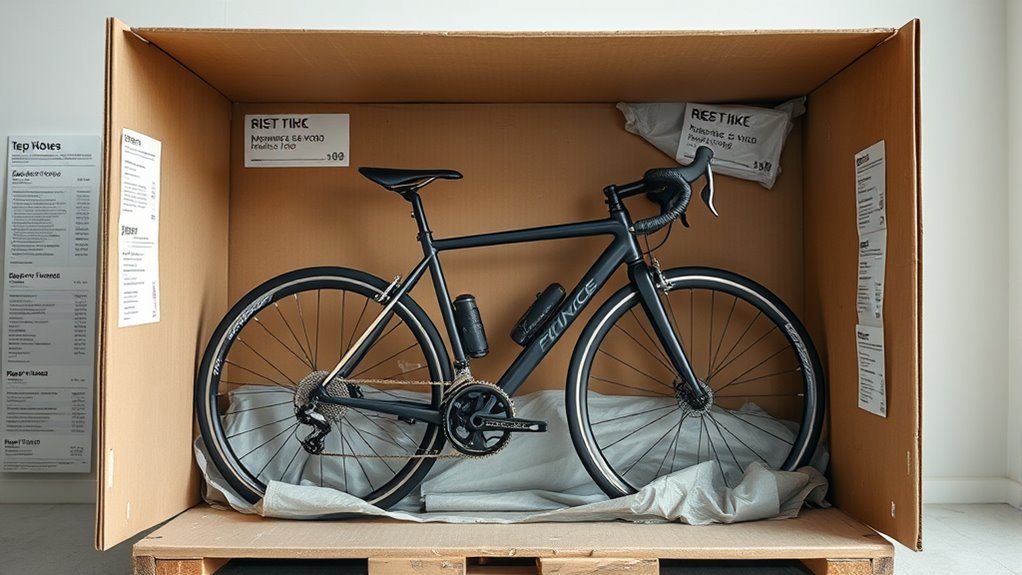
While the cost to ship a bicycle varies widely, you can generally expect to pay between $50 and $300 for domestic shipments within the U.S., depending on the distance and service level you choose. For short distances around 130 miles, bike shipping costs typically range from $57 to $135.
If you’re shipping a bike about 800 miles, expect prices between $78 and $203, with expedited shipping pushing costs higher. Long-distance shipments near 2,450 miles can cost from $101 up to $279, and faster shipping services may exceed $1,000.
Your box size and packing materials also affect shipping costs because larger or heavier packages usually cost more. When choosing a shipping service, consider how quickly you need your bike delivered and if you want insurance.
If you’re thinking about international shipping, be ready to spend at least $200, often much more depending on destination and bike size. Understanding these factors helps you manage bike shipping expenses effectively.
How Your Bike Type Changes Shipping Costs
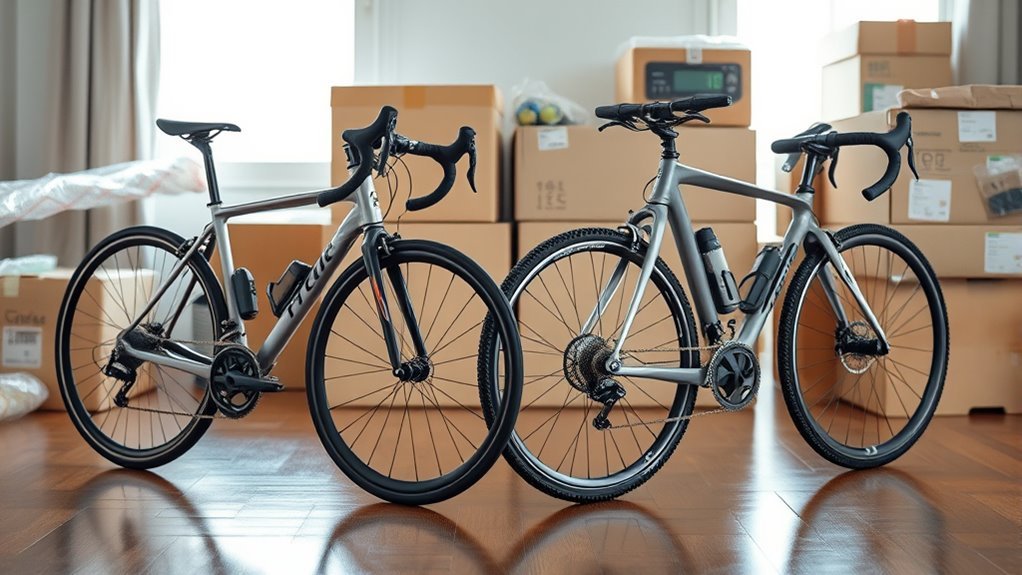
Shipping costs don’t just depend on distance and service; the type of bike you’re sending plays a major role too. Your bike’s weight and size affect the shipping price considerably.
For instance, road and mountain bikes, weighing around 23 lbs, tend to have similar shipping costs. These typically range between $50 and over $1,000 depending on distance and service level.
Kids’ bikes are lighter—about 19 lbs—so shipping them domestically often costs under $60. E-bikes, however, are heavier—usually around 50 lbs—and contain lithium batteries, which require special handling and hazmat fees.
That pushes shipping prices between $95 and $204. The bike box you use also impacts shipping costs, as larger or irregularly shaped boxes can increase fees.
Knowing how your bike type influences shipping costs helps you budget better and choose the right service. So, always factor in weight and bike type when planning your bike shipping to avoid surprises.
Extra Fees That Increase Bike Shipping Costs
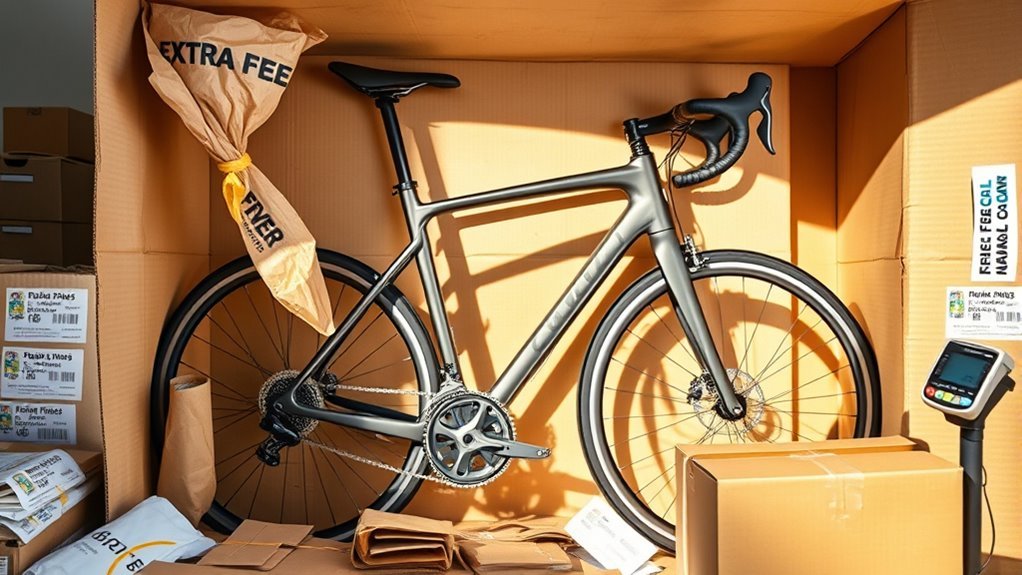
Because bike shipping involves many moving parts, extra fees can quickly add up and surprise you. If your bike is oversized or overweight, carriers often charge dimensional or weight surcharges, which can considerably increase your shipping cost.
Bike shipping has many moving parts, and extra fees like weight surcharges can quickly increase your cost.
For e-bikes with lithium batteries, hazmat fees typically add $30-$50. Don’t forget insurance—if your bike is valuable, expect to pay around 1-3% of its declared value. This can add $40 or more depending on coverage.
When shipping internationally, customs duties, taxes, and handling fees can raise costs by hundreds of dollars. Also, opting for professional packing or requesting pickup services at your home or office can further bump up the total expense.
These extra fees often catch people off guard, so it’s really important to factor them in when budgeting your bike shipping cost. That way, you can avoid surprises and ensure a smooth delivery.
Affordable Sources For Bike Shipping Boxes And Materials
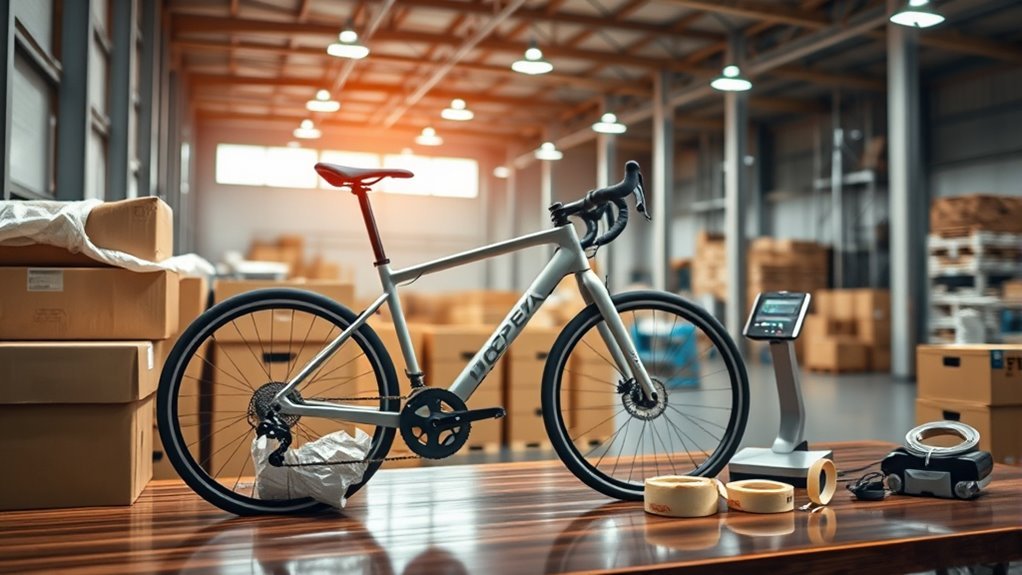
Extra fees can quickly add up when shipping your bike, but you can keep costs down by finding affordable boxes and packing materials. Start by checking with your local bike shop; many offer free or low-cost bike boxes and packing materials designed specifically for bikes.
Specialty cycling stores and online suppliers also sell bike boxes, typically ranging from $15 to $40, which might fit your budget. Don’t overlook recycled boxes from shipping or retail stores—these can markedly cut shipping costs without sacrificing protection.
For shipping supplies like bubble wrap, air pillows, and packing tape, hardware stores usually have affordable options. Plus, some courier services like FedEx and UPS provide free or discounted packaging materials if you ship with them.
This makes it easier to source all your shipping supplies in one place. By combining these affordable sources, you can keep your bike shipping costs reasonable without compromising safety.
Easy Ways To Save When Shipping Your Bike
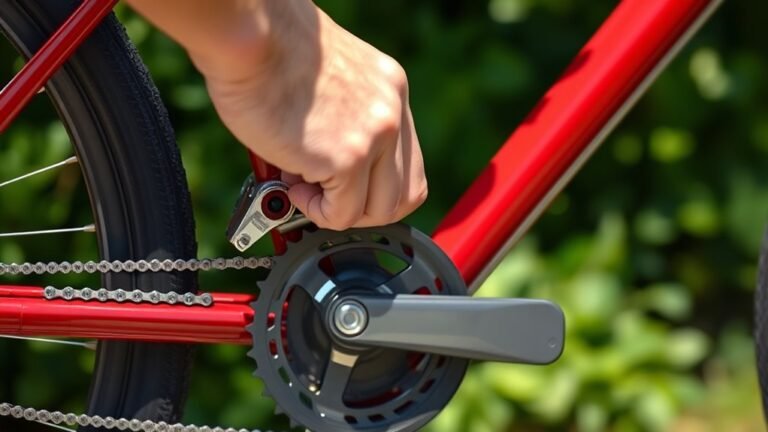
If you want to cut costs when sending your bike, disassembling key parts like the front wheel and handlebars can make a considerable difference. This reduces the package size, allowing you to use a smaller bike box and avoid costly oversize surcharges.
Careful packing with adequate padding protects your bike without the need for expensive shipping options. To save even more on shipping costs, look for discount shipping services like Bikeflights or Shipbikes. They often offer promo codes cutting prices by up to 50% compared to standard carriers.
Use proper padding to protect your bike and explore discount services like Bikeflights for up to 50% off shipping.
Planning your shipment during off-peak times also helps, as rates tend to spike during holidays and busy seasons. Remember, selecting the smallest bike box that fits within carrier size limits (around 54 x 8 x 28 inches) is key to keeping fees low.
Combining smart disassembly, efficient packing, and discount shipping can notably reduce the total cost of sending your bike. It’s all about being a little strategic and planning ahead!
Frequently Asked Questions
What Is the Average Cost to Ship a Bicycle?
You’ll typically pay around $50 to $300 to ship a bicycle, depending on distance and service. Domestic shipping usually costs less, while international or expedited options push the price higher.
Packaging and carrier choice matter too. It’s good to consider these factors when planning your shipment.
How Much Does Fedex Charge to Ship a Bicycle?
FedEx charges you around $116 to $206 to ship a bicycle domestically, depending on distance and service level. Expedited options cost more, and you’ll need proper packaging to avoid extra fees or damage.
How Much Does It Cost to Send a Bicycle?
You’ll typically pay between $50 and $300 to send a bicycle domestically, depending on distance and service.
International shipments can cost much more. Don’t forget to factor in packing, insurance, and e-bike battery fees.
What Is the Cheapest Way to Mail a Bike?
The cheapest way to mail your bike is by disassembling it, packing it in a standard bike box, then choosing ground shipping with USPS or UPS.
Grab free boxes from local bike shops to save even more. It’s really all about keeping the package compact and shipping it on the ground. That way, you avoid extra costs and still get your bike where it needs to go.
Conclusion
You might think shipping your bike in 2027 will break the bank, but surprisingly, the costs often align with what you’d spend on a weekend getaway. Whether you’re sending a road bike across the country or a mountain bike nearby, knowing the right service and packing smart can save you extra fees.
It’s a neat coincidence that saving money on shipping feels a lot like scoring a great travel deal—both get you rolling without stopping your adventure. By choosing the best shipping options and preparing your bike properly, you can keep expenses reasonable and avoid any last-minute surprises.
So, if you’re wondering how much it does cost to ship a bicycle in 2027, remember that with a bit of planning, it doesn’t have to be expensive. Smart shipping strategies will help you enjoy your ride without breaking the bank or slowing down your plans.