What Happens When You Pedal an Electric Bike?
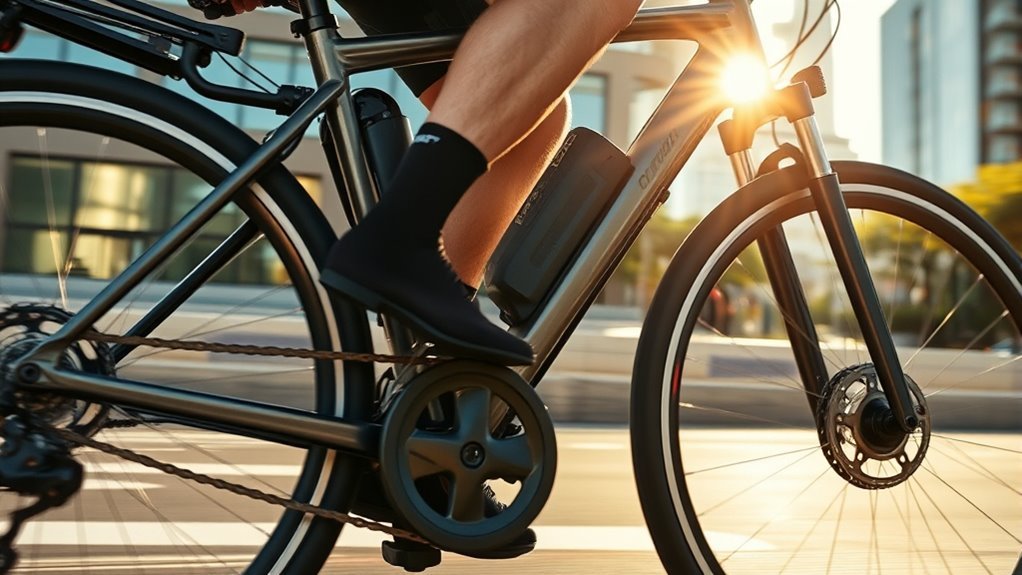
When you pedal an electric bike, sensors instantly detect your motion and effort, sending signals to the controller.
The motor then provides assistance proportional to how hard you pedal, helping you maintain speed and tackle hills with less strain.
This pedal assist feels natural and smooth, boosting your ride without overpowering you.
If you stop pedaling, the assistance immediately stops, letting you ride like a regular bike.
Keep going, and you’ll uncover how riding without this support changes your experience.
It’s pretty cool how the electric bike blends your effort with motor power to make cycling easier and more fun.
Key Takeaways
- Sensors detect pedaling motion or force immediately to activate motor assistance. The controller processes sensor input to provide proportional motor support based on pedaling effort.
- Motor assistance helps maintain speed and reduces effort, especially on hills or tough terrain. Pedal assist only works during active pedaling and stops instantly when pedaling ceases.
- Without pedaling, the bike functions like a regular manual bicycle without motor support. So, when you’re not pedaling, it’s just like riding a normal bike.
How Pedal Assist Works When You Pedal
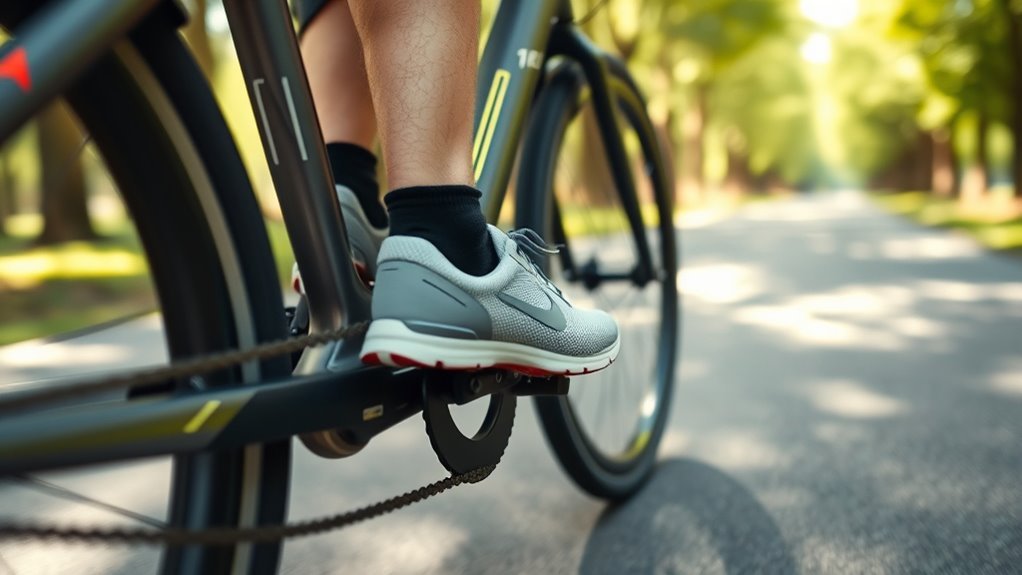
When you start pedaling an e-bike with pedal assist, sensors immediately detect your motion or effort and send signals to the controller. These sensors typically include a cadence sensor, which measures how fast you pedal, and a torque sensor, which gauges your pedal force.
The controller processes this data to decide how much motor assistance to provide. As your pedaling effort increases, the motor steps up its support, delivering proportional motor assistance that helps you maintain speed or tackle hills with less strain.
This assistance mode only activates when you’re actively pedaling; once you stop, the motor support ceases automatically. This system guarantees the e-bike feels natural, amplifying your pedal force without overpowering it.
What It’s Like to Ride Without Pedal Assist
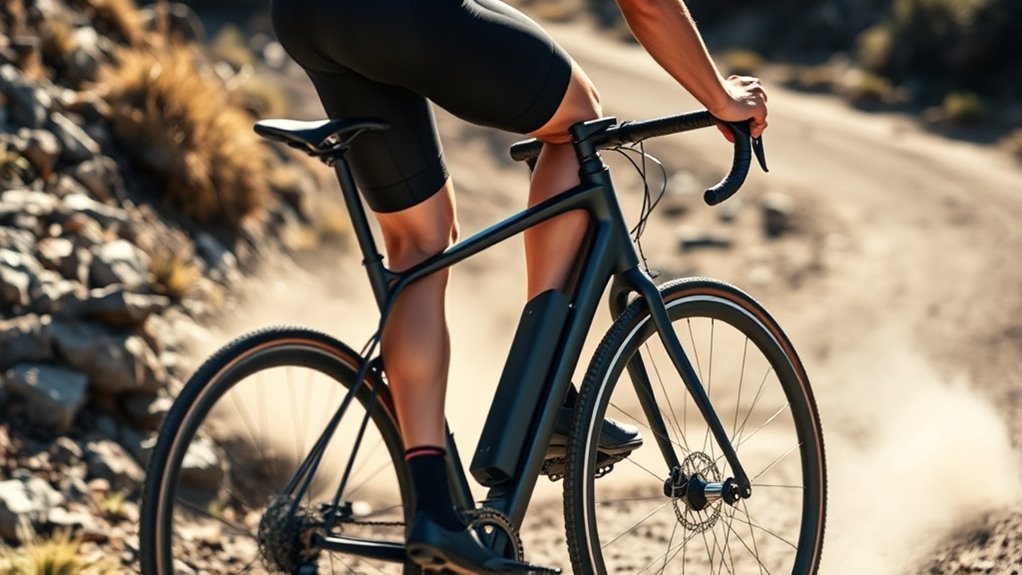
How does riding an e-bike feel without pedal assist? When you switch off the motor, your e-bike acts like a regular bike, requiring manual pedaling with no motor support. You’ll notice it feels heavier because of the battery, making every push more demanding, especially during incline riding.
Without assistance, all the rider effort comes directly from you, just like on a traditional bike but with added weight. This means more physical effort is needed, making it a solid option for exercise but less smooth and more tiring than assisted rides.
| Aspect | Experience |
|---|---|
| Manual pedaling | Required, no motor help |
| Bike weight | Heavier bike due to battery |
| Physical effort | Increased, especially on inclines |
| Ride feel | Like a traditional bike, no assistance |
Riding without pedal assist challenges your strength and endurance, making workouts more intense.
Frequently Asked Questions
Do Electric Bikes Charge While You’re Pedaling?
No, electric bikes don’t charge just by pedaling unless they have a regenerative braking system.
Most don’t, so pedaling only helps you move, not recharge the battery while you ride.
Are You Supposed to Pedal an Electric Bike?
You know what they say, “No pain, no gain.”
Yes, you’re supposed to pedal an electric bike to activate its motor assist, control speed, and often stay within legal limits.
It makes riding smoother and more fun!
What Are the Downsides of Using an Electric Bike?
You’ll risk losing fitness and muscle strength if you rely too much on an e-bike. Plus, their extra weight makes riding harder when the battery dies.
And high assistance can drain battery life faster, increasing maintenance costs. So, it’s something to keep in mind if you’re thinking about going electric.
How Much Pedaling Do You Do on an Electric Bike?
You pedal as much as you want, but usually just enough to keep the motor engaged. Higher assist levels mean less effort, while lower ones need more pedaling.
You control how much help you get by how hard you pedal. It’s pretty simple once you get the hang of it!
Conclusion
When you pedal an electric bike, the motor kicks in to boost your effort, making hills and long rides feel easier. Without pedal assist, you’re doing all the work yourself, which can be tiring but great exercise.
Did you know e-bike riders can travel up to 50% further than traditional cyclists? So, whether you want a little help or a full workout, pedaling an electric bike gives you the freedom to choose how hard you want to push yourself.
In short, pedaling an electric bike combines the best of both worlds. You get the exercise benefits of traditional biking, plus the extra power when you need it. This makes e-bikes perfect for commuters, casual riders, or anyone looking to explore further without feeling exhausted. So go ahead, pedal your electric bike and enjoy the ride your way!