3 Key Factors That Affect How Long It Takes to Bike 10 Miles
Your 10-mile bike time mainly depends on three key factors: your skill level, the terrain and weather, and the quality of your bike and gear. These elements play a huge role in how fast you can cover the distance.
Whether you’re a beginner or a seasoned rider, knowing these can help you set realistic goals and improve your performance.
If you’re a beginner, expect about an hour to bike 10 miles.
Experienced riders, on the other hand, can cut that time down to under 40 minutes.
Hills, wind, and rain can add extra time to your ride, making it more challenging.
Having a well-maintained, aerodynamic bike helps you go faster and ride more efficiently.
Understanding these factors will help you plan better and enjoy your rides even more.
Key Takeaways
- Rider skill level significantly influences speed, with beginners averaging 10 mph and experienced cyclists reaching up to 20 mph. So, if you’re just starting out, expect to take a bit longer.
- Terrain impacts time, as hilly routes add 10-20+ minutes compared to flat routes. Those hills can really slow you down, no matter how fit you are.
- Weather conditions such as wind and rain can increase ride time by reducing speed and traction. It’s just harder to keep up your pace when the weather’s not on your side.
- Bike type and maintenance, including lightweight frames and proper tire pressure, enhance overall riding efficiency. Keeping your bike in good shape makes a noticeable difference.
- Wearing appropriate cycling gear improves comfort and performance, helping maintain consistent speed. Feeling good on your bike means you can ride longer and stronger.
Typical 10-Mile Bike Times for Different Skill Levels
Although your speed depends on several factors, typical 10-mile bike times vary widely based on skill level. If you’re a beginner, you’ll average about 10 mph, so expect a cycling duration close to one hour.
As your experience and fitness improve, your riding pace will increase. Intermediate riders often hit speeds between 12 and 15 mph, completing the distance in 40 to 50 minutes.
When you become an experienced cyclist, your speed can reach 16 to 20 mph, cutting bike times down to 30–37 minutes. The fastest amateurs can finish 10 miles in around 28 to 30 minutes, although fitness and terrain still play a role.
While terrain and weather impact every rider’s time, your skill level fundamentally shapes how quickly you cover the distance. Focusing on improving your fitness and experience will help you boost your speed and reduce your cycling duration on any given ride.
How Terrain and Weather Affect Your 10-Mile Ride Time
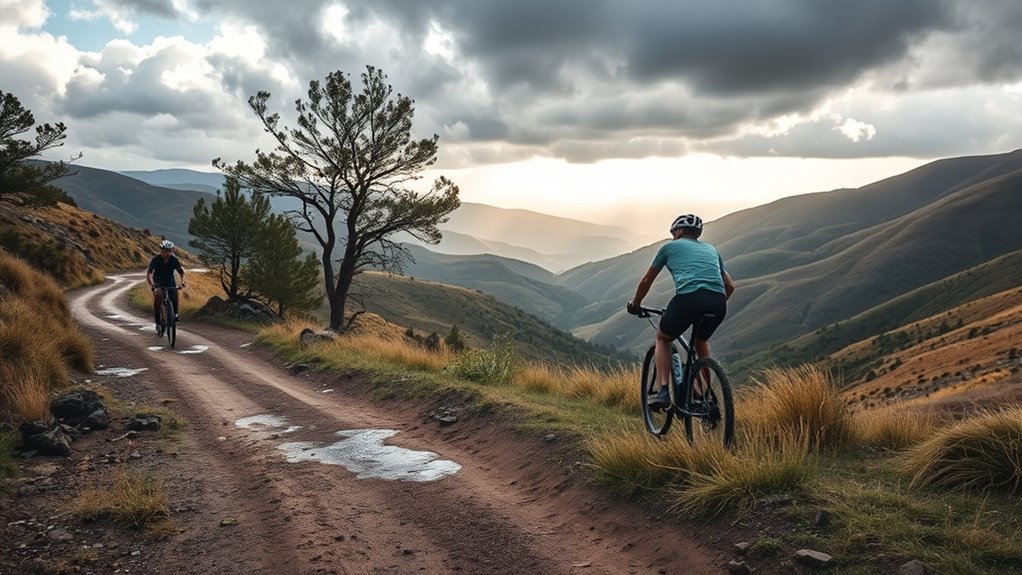
Since terrain and weather directly impact your cycling conditions, they play a major role in determining how long it takes to bike 10 miles. Riding on flat terrain lets you maintain higher speeds, so you’ll usually finish in about 40-45 minutes with moderate effort.
Terrain and weather greatly influence your cycling time, with flat routes typically taking 40-45 minutes.
However, hilly terrain can slow you down considerably, adding 10-20 minutes or more to your ride time. Weather conditions also affect your speed profoundly.
Strong headwinds can reduce your effective speed by 2-4 mph, increasing your ride time by around 10-15 minutes, while tailwinds help you go faster, cutting your time by 5-10 minutes.
Rainy weather worsens riding conditions by reducing traction, making you more cautious and extending your ride time by 10-20%. Being aware of these factors helps you anticipate changes in your pace and plan your ride accordingly.
How Your Bike and Gear Can Speed Up Your 10-Mile Ride
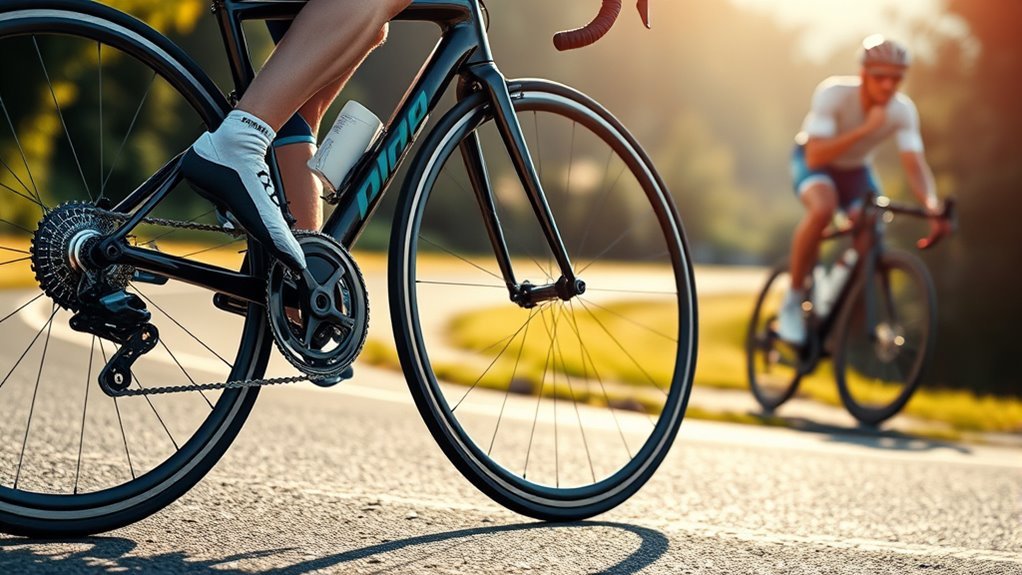
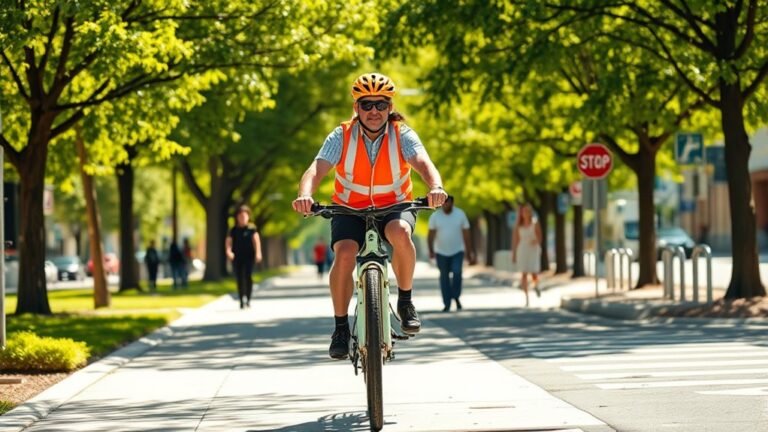
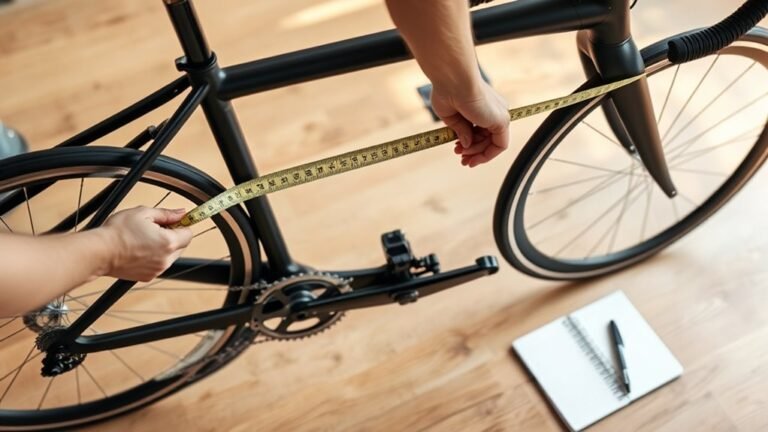
When you choose a lightweight, aerodynamic bike and gear up properly, you can shave minutes off your 10-mile ride time. A lightweight bike with aerodynamic design reduces drag, boosting your ride efficiency.
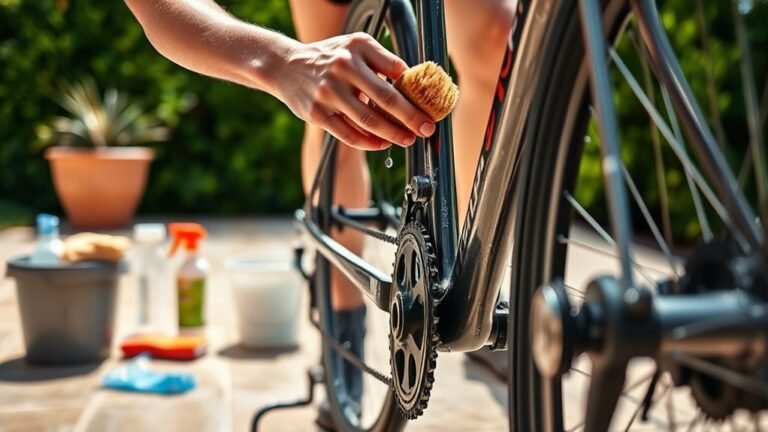
Making sure your bike fit is spot-on—like adjusting saddle height and handlebar position—improves your riding posture, minimizes fatigue, and helps you maintain speed. Don’t forget mechanical maintenance; keeping tire pressure ideal and the chain lubricated prevents slowdowns.
To speed up your ride, focus on these essentials:
- Maintain proper tire pressure for low rolling resistance
- Wear cycling clothing that enhances comfort during the ride and wicks moisture
- Use quality riding gear like padded shorts to reduce discomfort
Frequently Asked Questions
How Long Should a 10 Mile Bike Ride Take?
You should expect a 10-mile bike ride to take about 40 to 50 minutes if you’re riding at a moderate pace.
If you’re faster or slower, your time will adjust accordingly, but that’s a good estimate. Pretty straightforward, right?
What Is the 75% Rule in Cycling?
The 75% rule in cycling means you should ride at about 75% of your maximum effort. This helps you maintain a steady, moderate pace that builds endurance without wearing you out too quickly.
It’s like finding that sweet spot where you’re working hard, but not so hard that you burn out early. Sticking to this pace can make your rides more enjoyable and effective.
What Is a Respectable 10 Mile Time?
You’ll crush a respectable 10-mile time if you finish between 40 to 50 minutes.
If you’re really flying, under 30 minutes shows you’re a beast on two wheels. Keep pedaling strong!
Is It Hard to Cycle 10 Miles?
Cycling 10 miles isn’t hard if you pace yourself and ride on flat terrain. You’ll find it easier with practice, proper bike fit, and moderate fitness.
Even beginners can handle it with steady training and patience. Just take your time and enjoy the ride!
Conclusion
When you hop on your bike to conquer those 10 miles, remember you’re dancing with more than just distance. Your skill level sets the rhythm, while terrain and weather play the unpredictable beat.
Your bike and gear? They’re your trusted partners, speeding you forward or slowing your pace. Embrace these factors like a seasoned rider reading the wind.
Mastering your skill, understanding the terrain, and gearing up right can turn every ride into a powerful journey. It’s not just about the number on the odometer—it’s about how you navigate the ride. So next time you bike 10 miles, remember these key factors affect your time and experience. Ride smart, adjust for the conditions, and enjoy the journey.