
How to Use Bike Gears in 10 Essential Steps
To use bike gears effectively, it’s important to get familiar with your front and rear shifters. The left shifter controls big jumps between gears, while the right one fine-tunes your pedaling for smoother rides. Understanding how these work together helps you tackle different terrains with ease.
Shift your gears before the terrain changes to keep your pedaling smooth and avoid unnecessary strain. This way, you’ll save energy and enjoy a more comfortable ride every time. Remember, using the right gear at the right moment makes all the difference.
Avoid cross-chaining by not using extreme gear combos, like the biggest chainring with the biggest sprocket. This can wear out your drivetrain faster and cause inefficient pedaling. Instead, use lower gears for climbs and higher gears when you’re on flat roads or going downhill.
Keep your drivetrain clean to ensure smooth shifting and longer-lasting parts. Use the trim feature on your shifters to stop chain rub without changing gears completely.
Start practicing your shifts on flat terrain to build confidence. With a little practice, you’ll soon ride smoother and more efficiently with ease.
Key Takeaways
- Shift to lower gears before climbing hills to reduce effort and maintain a steady cadence. This way, you won’t feel like you’re pushing too hard uphill.
- Use the left shifter for major gear changes and the right shifter for fine-tuning rear gears. It’s pretty simple once you get used to it.
- Avoid cross-chaining by not combining the largest or smallest front chainring with extreme rear cogs. Doing this can wear out your gears faster.
- Maintain smooth shifting by anticipating terrain changes and shifting gradually before slopes or flats. It helps keep your ride nice and steady.
- Keep the drivetrain clean, lubricated, and properly adjusted for reliable, efficient gear performance. Trust me, your bike will thank you!
Getting to Know Your Bike’s Gears
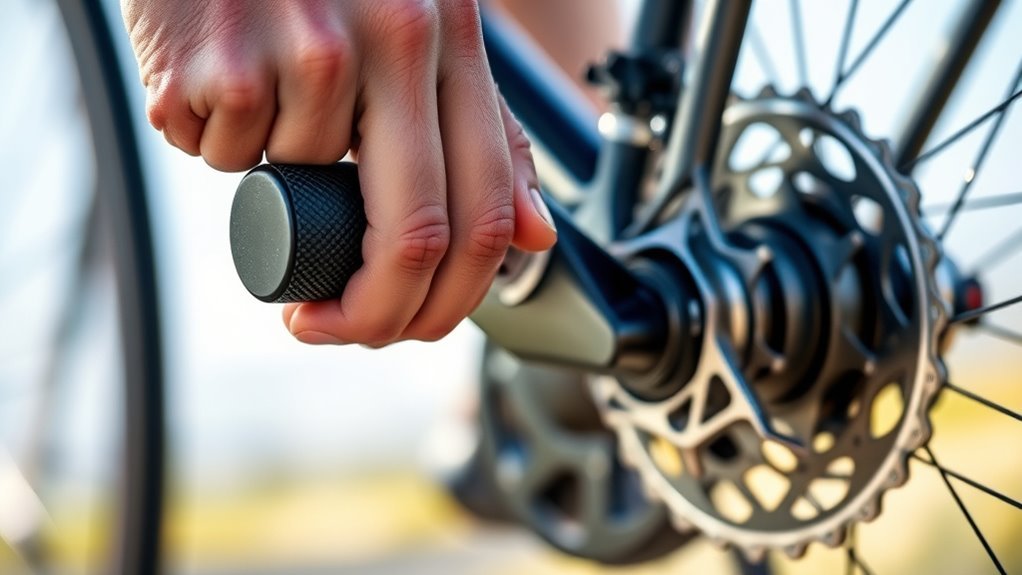
Before you hit the road, it’s important to get to know your bike’s gears so you can adjust your pedaling effort to match the terrain. Your bike’s gears help control resistance, making it easier or harder to pedal depending on where you ride.
Most bikes come with multiple gears on the front chainrings and rear cassette cogs, offering a range of gear ratios to suit various conditions. You’ll find shifters on your handlebars that operate derailleurs or internal hubs to change gears smoothly.
Bikes feature front chainrings and rear cassette cogs, with handlebar shifters for smooth gear changes.
Knowing the total number of gears, like 21-speed or 24-speed setups, gives you an idea of how many options you have for different situations. Spend some time understanding where each gear component sits and what it does.
This familiarity helps you shift confidently and efficiently, ensuring a smoother, more enjoyable ride from start to finish. It’s worth taking a little time to get comfortable before you set off!
Why and When Should You Shift Gears?
You should shift gears just before the terrain changes to keep your pedaling smooth and efficient. Timing your shifts properly helps you maintain the right effort and protects your bike’s components.
Recognizing when hills or flats are coming lets you adjust gears proactively instead of struggling under strain. It’s all about staying ahead so your ride feels easier and more controlled.
Importance Of Timely Shifting
When should you shift gears to keep your ride smooth and efficient? You should shift before changes in effort, like starting a climb or speeding up on a flat. Shifting early prevents straining your legs and helps keep a steady cadence.
For example, shifting to easier gears before a hill stops you from losing momentum or overexerting yourself. Similarly, shifting early on descents or flats prepares your bike for upcoming terrain, making your ride more efficient.
Timely shifting also reduces wear on your drivetrain, ensuring quieter and smoother operation. By anticipating when to shift, you avoid abrupt changes under heavy load, protecting your bike and maintaining control.
Recognizing Terrain Changes
How can you tell when it’s time to shift gears during your ride? Pay attention to changes in pedal stroke and power output. When you feel much pressure or resistance, it’s a sign to shift gears.
On road bikes and mountain bikes, the range of gears lets you adjust smoothly. The front chain rings control the bigger shifts—usually two or three options—while the rear controls smaller changes across larger or smaller cogs.
Before a big climb, shift to easier gears by moving to larger cogs in the rear or a smaller chain ring in front. To maintain the perfect gear, make small adjustments and avoid shifting more than one gear at a time.
This keeps your cadence steady, preserves the drivetrain, and helps you avoid cross-chaining.
How to Use Front and Rear Shifters Correctly
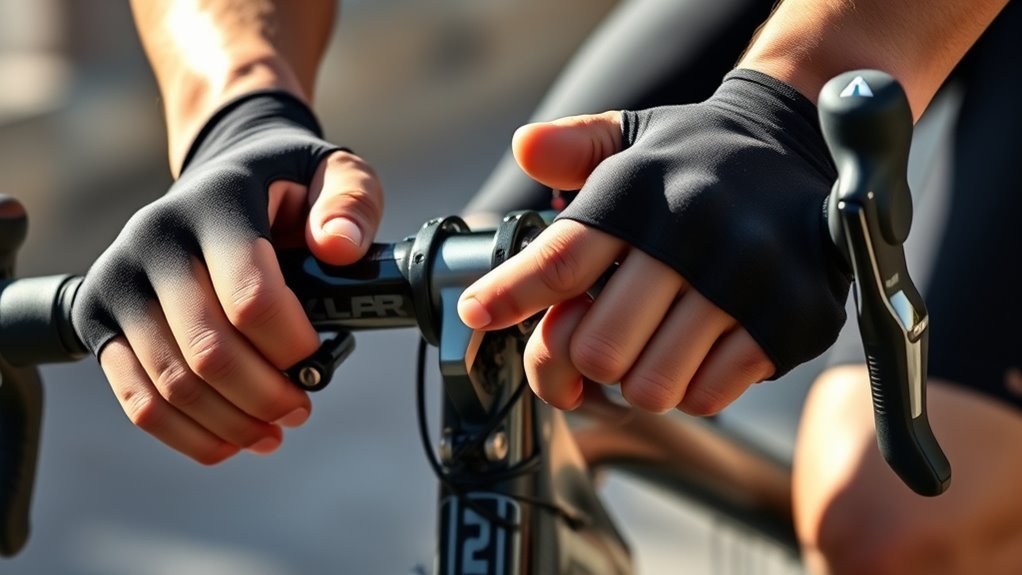
You’ll use the left shifter to make big changes by moving the chain between the front chainrings, especially on steep climbs or descents. It’s great for tackling those challenging parts of your ride.
The right shifter helps you fine-tune your gear by adjusting the rear derailleur for a smooth cadence. This way, you can keep pedaling comfortably no matter the terrain.
Learning to coordinate both shifters properly will keep your ride efficient and your drivetrain in good shape. Once you get the hang of it, shifting becomes second nature!
Front Shifter Functions
Although shifting gears may seem complex at first, mastering the front shifter lets you control major changes in your bike’s gearing by moving the chain between the front chainrings. The front shifter adjusts the chain to larger or smaller rings depending on your terrain, helping you tackle hills or speed up on flats.
To use it effectively, follow these tips:
- Shift while pedaling steadily to avoid chain slipping or damage.
- Move to the middle chainring first for a balanced gear before fine-tuning with the rear shifter.
- Shift gradually and anticipate upcoming terrain changes for smooth progressions.
- Avoid cross-chaining by keeping the chain aligned between front and rear gears.
Using the front shifter correctly guarantees efficient riding and prolongs your drivetrain’s life. It’s all about making your ride smoother and more enjoyable!
Rear Shifter Adjustments
Mastering the front shifter sets the stage for using your rear shifter to fine-tune your bike’s gearing. The rear shifter controls the cassette on your rear wheel, letting you make smooth, incremental adjustments.
When you use the rear shifter, keep pedaling at a steady cadence and avoid pushing too hard to prevent chain slip or damage. Shift to larger cogs for easier pedaling when climbing or starting, and switch to smaller cogs for harder gears on flats or downhills.
If your derailleur has a trim feature, use it to eliminate chain rub during minor adjustments. Always anticipate changes in terrain and shift the rear shifter early to keep your cadence efficient and avoid shifting under heavy load.
Coordinated Shifting Techniques
When you coordinate your front and rear shifters correctly, you’ll enjoy smoother gear changes and maintain an efficient cadence. Use the front shifter to switch between chain rings for major gear changes and the rear shifter for fine-tuning.
Here’s how to master coordinated shifting:
- Shift the front derailleur first before the rear to avoid chain slip and ensure smooth transitions.
- Use the rear shifter to adjust to an easier gear by moving the chain to larger cogs or a harder gear by selecting smaller cogs.
- Avoid cross-chaining by not shifting directly from the largest to smallest chain ring, keeping your chain alignment optimal.
- Anticipate terrain changes and lighten pedal pressure before shifting to protect your drivetrain and maintain cadence.
Master these steps, and your ride will feel effortless.
Choosing the Right Gear for Different Terrains
As you tackle different terrains, choosing the right gear helps you pedal efficiently and maintain control. When climbing steep hills, use lower gears—select the small front chainring and larger rear cogs—to reduce pedal effort and keep your momentum steady.
On flat terrain or when descending, shift to higher gears by moving to the large front chainring and smaller rear cogs. This lets you increase speed without spinning out.
Try to anticipate changes in terrain and shift gears before you hit steep inclines or declines. That way, you avoid losing momentum.
If you’re riding a mountain bike, stick to low gears for climbing. Save higher gears for cruising on level ground or going downhill.
Also, avoid cross-chaining—don’t combine the largest front chainring with the largest rear cog. It stresses your drivetrain and reduces efficiency.
Shifting Gears Smoothly to Protect Your Bike
Choosing the right gear for different terrains sets you up for a smoother ride, but shifting gears smoothly is just as important to protect your bike. Abrupt gear changes can strain your drivetrain and cause premature wear.
To keep your bike running smoothly, follow these key steps:
- Lighten your pedaling pressure just before shifting to easier or harder gears. This helps the chain engage smoothly without grinding.
- Shift gradually and avoid sudden jumps between gears. Doing this reduces stress on the derailleur and chain.
- Anticipate upcoming terrain changes and shift early. That way, you’re not shifting under heavy load, which can damage components.
- Maintain a steady cadence during gear changes. This prevents chain slippage and uneven wear.
Also, regularly check your derailleur and cable tension to keep your shifting precise and reliable. By shifting gears thoughtfully, you’ll protect your bike and enjoy a more efficient, comfortable ride.
Avoiding Cross-Chaining for Better Performance
Why does cross-chaining hurt your bike’s performance? When your chain runs at an extreme angle—like on the largest front chainring paired with the largest rear cog or the smallest front chainring with the smallest rear cog—it causes cross-chaining. This misalignment increases chain wear, creates annoying noise, and can damage your drivetrain over time.
To protect your bike and maintain smooth pedaling, avoid these “big/big” and “small/small” gear combos.
Instead, shift to a smaller front chainring when you’re using larger rear cogs, and switch to a larger front chainring when you pick smaller rear cogs. Keeping your chain aligned reduces stress on components and extends their life.
How to Anticipate Hills and Adjust Gears Early
When you spot a hill ahead, start shifting to an easier gear before you reach the base. This helps you keep a smooth cadence and avoid extra strain on your muscles.
Paying attention to terrain changes lets you adjust early and maintain momentum throughout the climb. It’s all about staying ahead of the game so the hill doesn’t catch you off guard.
Recognize Terrain Changes
As you ride, keeping an eye on the terrain ahead lets you anticipate hills and adjust your gears early. Recognizing changes in terrain helps you shift smoothly and maintain your momentum.
Here’s how to stay ahead of the road:
- Observe slopes and upcoming terrain to predict gear adjustments for climbs or descents.
- Use visual cues like road signs or pavement changes to spot upcoming hills before you reach them.
- Listen to your pedaling effort; if it gets harder, it’s time to prepare for an easier gear.
- Practice reading terrain regularly to shift proactively, ensuring smooth progression and less fatigue.
Shift Before Climbing
Although hills can challenge your rhythm, shifting to easier gears before you start climbing keeps your pedaling smooth and efficient. Watch the terrain closely and anticipate slopes so you can shift early.
Use your front derailleur to switch to a smaller chainring in advance, reducing strain on your legs and drivetrain. Make gradual gear changes to avoid chain stress and grinding.
| When to Shift | How to Shift | Why Shift Early |
|---|---|---|
| Approaching a hill | Use front derailleur | Easier pedaling on incline |
| Before steep slopes | Gradual gear changes | Prevents drivetrain strain |
| Reading terrain cues | Anticipate gear needs | Maintains momentum and efficiency |
Maintain Smooth Cadence
Shifting before you reach a hill sets the stage for maintaining a smooth cadence throughout your climb. By anticipating terrain changes, you can adjust gears early to keep your pedaling steady and efficient. This prevents sudden muscle fatigue and awkward shifts under load.
To maintain smooth cadence:
- Observe hills from a distance and shift to an easier gear before the incline.
- Gradually downshift before steep sections instead of waiting until you’re struggling.
- Use your experience to time gear changes early, avoiding last-minute shifts.
- Practice proactive shifting on flat terrain to prepare for climbs and conserve energy.
Using the Trim Feature to Stop Chain Rub
When your chain starts rubbing against the front derailleur cage, you can use the trim feature to make slight adjustments that stop the noise without changing gears. This fine-tunes the front derailleur’s position just enough to eliminate chain rub, especially when you’re close to cross-chaining on the largest or smallest chainring.
Before you shift into a gear that typically causes rubbing, engage trim mode to prevent that annoying grinding sound. Using trim not only quiets your ride but also protects your drivetrain from unnecessary wear.
By adjusting the derailleur cage slightly rather than making a full gear change, you keep your cadence smooth and your ride efficient. Regularly using the trim feature helps keep shifting seamless and extends your drivetrain’s lifespan.
Learning to use this subtle adjustment will improve your overall biking experience, making your gear changes feel more precise and reducing maintenance needs down the road. It’s a small trick that makes a big difference!
Maintaining Your Drivetrain for Reliable Shifting
Mastering the trim feature helps you fine-tune your ride, but keeping your drivetrain well-maintained is key to consistent, reliable gear changes. Dirt, grime, and worn parts can cause poor shifting performance and chain slips.
Fine-tuning your trim is useful, but a clean, well-maintained drivetrain ensures smooth, reliable gear shifts every time.
To keep your drivetrain in top shape, follow these essential steps:
- Clean and lubricate your chain regularly to prevent buildup and ensure smooth shifts.
- Check and adjust cable tension to keep shifting responsive and accurate.
- Inspect derailleur alignment and limit screws to avoid chain derailment and improve precision.
- Replace worn chains, chainrings, and cassettes promptly to maintain efficiency and prevent damage.
After muddy or wet rides, make sure to remove debris and grime from drivetrain components. It’s a simple step that makes a big difference.
Troubleshooting Common Gear Shifting Problems
Although gear problems can be frustrating, you can often fix them quickly by checking a few key areas. Start by ensuring the gear cable tension is properly adjusted—cables that are too loose or too tight cause poor shifting.
Use the barrel adjuster to fine-tune tension; increase it to make upshifting easier or decrease it for smoother downshifting. Next, inspect the derailleur and gears for dirt, debris, or corrosion, as buildup can block smooth movement.
Also, check the derailleur alignment and hanger position; a bent hanger will disrupt shifting accuracy. If cables, housing, or derailleur parts are worn or damaged, replace them promptly to restore smooth operation.
Following these steps helps you troubleshoot and resolve most common gear shifting issues, keeping your ride smooth and reliable without needing professional help.
Frequently Asked Questions
How to Use Bike Gears for Beginners?
Start by learning your shifters and which controls the front and rear gears. Shift gently, one gear at a time. Ease your pedaling before shifting to keep things smooth.
Try to anticipate changes in the terrain and shift early. This helps you maintain a steady, smooth cadence without any sudden jolts. You’ll get the hang of it in no time!
What Is the 75% Rule in Cycling?
Ever wondered how hard you should pedal? The 75% rule means you keep your effort at about 75% of your max, so you ride efficiently without burning out.
It helps you stay strong and enjoy longer rides. Pretty handy, right?
How to Use Gears on a 10 Speed Bike?
You use the right shifter to change rear gears, shifting to easier cogs uphill and harder ones on flats. Shift gradually, avoid cross-chaining, and anticipate terrain to keep a smooth cadence and prevent gear damage.
It’s all about staying smooth and in control. Just think ahead and make small shifts rather than big jumps. This way, your ride feels easier and your bike stays in good shape.
How to Ride a Bike With Gears Step by Step?
You might think shifting gears is tricky, but start in a middle gear. Pedal steadily, then shift rear gears for small changes.
Try to anticipate hills and shift front gears early. This helps keep your pedaling smooth and efficient.
Conclusion
Mastering your bike’s gears is like learning to dance with the road—smooth, timely shifts keep you gliding effortlessly over hills and flats.
By understanding when and how to change gears, you’ll protect your bike and enjoy every ride, no matter the terrain.
Think of your gears as a trusted partner, ready to adjust with you.
Keep them well-tuned, and you’ll conquer every journey with the grace of a seasoned rider.
Remember, using bike gears correctly not only makes pedaling easier but also extends your bike’s lifespan.
Whether you’re climbing steep hills or cruising on flat roads, knowing how to shift gears smoothly lets you ride longer and stronger.
So, take time to practice gear changes and keep your drivetrain in top shape.
With these tips, you’re set to master your bike gears and make every ride a joy.