10 Factors That Affect How Much an Electric Bike Does Cost
Several factors affect how much an electric bike costs, including motor power and battery capacity. These two boost performance and range but also raise the price a bit.
Frame materials like aluminum, steel, or carbon fiber play a role in the cost too. Brand reputation and overall build quality are important factors as well.
Added features and accessories can add extra expenses on top of the base price. Don’t forget about shipping and assembly fees—they can sneak up on you.
Plus, maintenance and battery replacements influence long-term costs.
So, if you want to choose the right e-bike for your budget and lifestyle, there’s a lot more to take into account. It’s not just about the sticker price!
Key Takeaways
- Motor power and type significantly impact price, with higher wattage and mid-drive motors costing more due to better performance and torque. It’s kind of like paying for muscle—you get more power, but it comes at a price.
- Battery capacity influences cost, as larger batteries increase range but add $300 to $1,500 to the overall price. So, if you want to go farther without worrying about charging, be ready to spend a bit more.
- Frame material and build quality affect cost, with aluminum being cheaper and carbon fiber or steel frames raising prices. Think of it like the difference between a basic model and something more premium and durable.
- Additional features like suspension, premium components, and integrated designs increase manufacturing complexity and final cost. These extras make the ride smoother and the bike look cooler, but naturally, they add up.
- Brand reputation and warranty support contribute to price differences, with trusted brands charging more for quality and service. You’re paying for peace of mind as much as the bike itself.
Understanding Electric Bike Price Ranges by Type
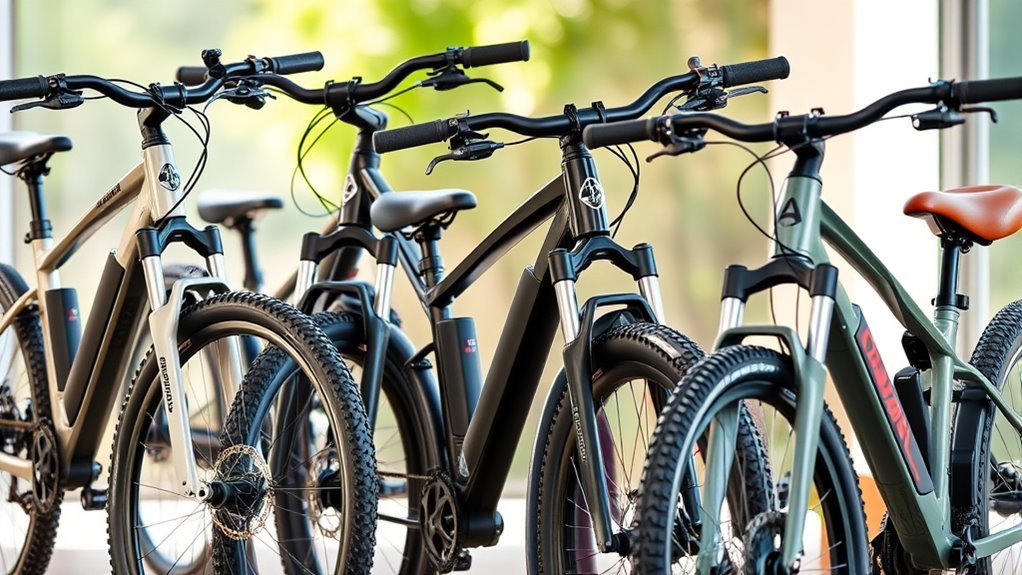
When you’re shopping for an electric bike, understanding the price ranges by type can help you find one that fits both your needs and budget. Basic quality electric bikes start around $999, with some models going above $1,200 depending on features like motor power and component quality.
If you need something rugged, fat tire e-bikes range from $999 to $2,000 and come with 20×4-inch tires and powerful motors over 500W. Folding electric bikes, perfect for saving space, generally cost between $999 and $1,499.
Off-road electric bikes, designed for rough terrains, start at about $1,399 and increase with added suspension and motor strength. Finally, cargo electric bikes, which can carry heavy loads between 400-440 lbs, typically fall between $1,200 and $1,400 due to their specialized design.
Choosing the Right Electric Bike Type for Your Budget and Riding Style
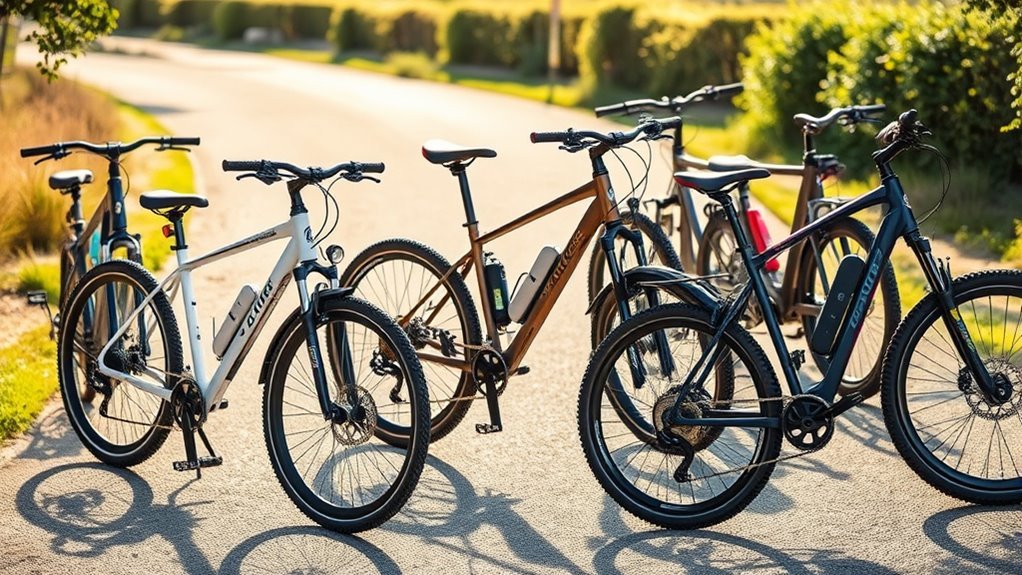
You’ll want to pick an electric bike that fits both your budget and how you plan to ride. Whether you need a fat tire bike for rough trails or a folding model for easy storage, each type comes with specific features and price points.
Aligning your bike to your daily use ensures you get the best value and performance. It’s all about matching what you need with what you can afford. That way, your ride is smooth and worth every penny.
Ebike Types Overview
How do you choose the right electric bike type that fits both your budget and riding style? Understanding various ebike types and their price points helps.
Fat tire ebikes, with durable 20×4-inch tires and 500W+ motors, suit off-road adventures and cost between $999 and $2,000. Folding ebikes focus on portability, often built with lightweight material, priced from $999 to $1,499.
For rough terrain, off-road and mountain ebikes start around $1,399, offering features like dual suspension and powerful motors. Cargo ebikes, designed for heavy loads up to 440 lbs, range from $1,200 to $1,400, with premium versions featuring dual batteries and hydraulic brakes.
Matching Bike To Usage
Since each rider’s needs and terrain vary, choosing the right electric bike means matching its features to your budget and riding style.
Think about your riding environment and typical usage to pick the ideal bike type, motor power, battery capacity, and frame material.
Budget-friendly city bikes suit flat terrain and short trips. But if you need something for off-road or cargo use, look for bikes with advanced suspension and durable frames—they usually cost more.
Use the table below to align your choices:
| Bike Type | Key Features | Budget Range |
|---|---|---|
| City | Lightweight, simple | Under $1,500 |
| Mountain | Suspension, strong frame | $1,500+ |
| Cargo | Large battery, sturdy | $2,000+ |
| Folding | Compact, portable | $1,000-$2,500 |
| Fat Tire | Extra grip, durable | $1,500+ |
Matching these features to your riding environment guarantees you get the best value.
How Motor Power Affects Electric Bike Price and Performance
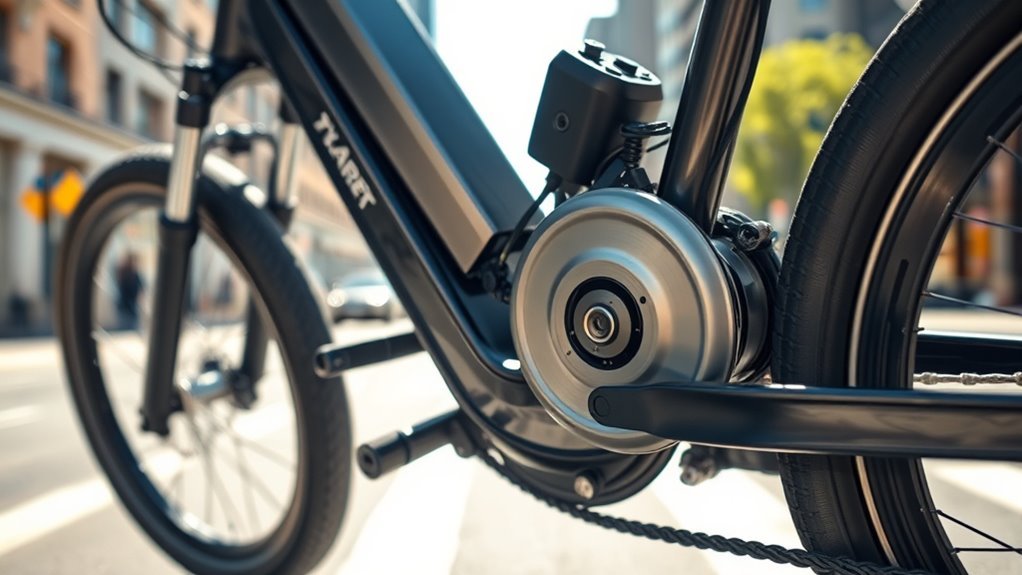
Although higher motor power boosts an electric bike’s performance, it also raises its price. When you choose a bike with increased motor wattage, like 750W instead of 250W, expect to pay more due to stronger components.
More motor power means better acceleration, improved hill-climbing ability, and higher top speeds. This can justify the cost if you want serious performance.
Bikes equipped with mid-drive motors cost more than those with rear-hub motors, but they deliver superior torque and smoother rides. This is especially noticeable on challenging terrain.
Torque directly affects how well the bike handles steep inclines and rough surfaces, enhancing your overall experience. Keep in mind that powerful motors require more energy, so supporting components add to the price.
Ultimately, if you prioritize performance and tougher terrain capabilities, investing in higher motor power and mid-drive motors makes sense. Just be aware it will impact the bike’s price noticeably.
How Battery Capacity Impacts Electric Bike Cost and Range
What determines how far you can ride an electric bike on a single charge? It all comes down to battery capacity, measured in watt-hours (Wh). The larger the battery capacity, the longer your riding range will be.
Most e-bikes feature batteries between 250Wh and over 650Wh. With larger batteries, you can travel anywhere from 20 to over 100 miles per charge.
E-bike batteries range from 250Wh to 650Wh+, enabling rides between 20 and 100+ miles per charge.
However, keep in mind that increasing battery capacity profoundly impacts electric bike cost. Larger batteries typically add between $300 and $1,500 to the price. Often, this pushes the total cost up by $500 or more for meaningful upgrades.
Besides cost, bigger batteries also add weight and bulk. This can affect your bike’s handling.
Frame Materials: Aluminum, Carbon, and Steel Cost Differences
Choosing the right frame material is one of the biggest factors that affect an electric bike’s cost and performance. Aluminum frames are the most affordable option, typically priced between $500 and $1,500. They offer a solid balance of weight and durability, making them popular for many riders.
Steel frames, costing between $700 and $2,000, provide excellent shock absorption and longevity, but they tend to be heavier. If weight is your priority, carbon fiber frames are the lightest and strongest, but they add $1,000 or more to the bike cost due to their complex manufacturing and premium material quality.
The frame material you choose impacts not only the price but also the bike’s weight and ride comfort. So, when considering an e-bike, think about how each material fits your budget and riding style to make the best investment.
Which Extra Features Add to Your E-Bike’s Price
When you add extra features to your e-bike, the price can climb quickly. Additional features like integrated phone mounts, storage compartments, and mirrors typically increase the cost by $50 to $200.
If you opt for upgraded accessories such as spare batteries, advanced lighting systems, or GPS tracking, expect to pay several hundred dollars more. High-end components, including hydraulic disc brakes and premium suspension, push the price even higher compared to basic models.
Customizations like aerodynamic frames or unique design elements also raise manufacturing expenses, reflecting in the retail price. Features focused on comfort and convenience, such as heated grips and adjustable seats, add between $100 and $400.
When you choose these enhancements, you’re not just paying for function but also for a more enjoyable and personalized ride. Balancing your desired additional features and budget will help you find the perfect e-bike that fits both your needs and wallet.
How Brand Reputation Influences Electric Bike Prices and Quality
When you choose a trusted brand, you’re paying for premium components and thoughtful design that boost performance and durability. You’ll also get better warranty coverage and customer support, which add real value over time.
These factors often explain why reputable brands set higher prices for their electric bikes. It’s not just about the name—it’s about what you’re really getting.
Brand Trust And Value
Because you want an electric bike that lasts and performs well, brand reputation plays a crucial role in determining both price and quality. When you choose a trusted brand, you’re investing in superior build quality and reliable technology features that often come with seamless electric component compatibility.
Established names like Bosch and Shimano back their products with solid warranties and responsive customer support. That really shows their confidence in durability.
Brand trust grows from consistent performance and positive consumer reviews. This justifies the premium pricing you’ll encounter.
While lesser-known brands might offer lower prices, they rarely match the long-term value and peace of mind that reputable brands provide.
Ultimately, your choice in brand influences not just cost but the overall satisfaction and longevity of your electric bike.
Premium Components And Design
Although brand reputation plays a key role in electric bike pricing, the use of premium components and sophisticated design features often drives costs even higher.
When you choose high-end e-bikes from trusted brands, you’re investing in more than just a name—you get advanced technology paired with exceptional materials and craftsmanship.
Premium components like carbon fiber frames reduce weight and boost performance, while integrated design elements, such as hidden batteries and motors, create sleek, seamless aesthetics.
These features elevate the bike’s appeal and price.
Consider how:
- Lightweight carbon fiber frames enhance durability and speed
- Integrated design hides mechanical parts for a clean look
- Custom finishes and intricate designs add exclusivity
This combination of premium components and design defines the quality and cost of your electric bike.
Warranty And Support Services
Since reputable brands back their electric bikes with strong warranties and reliable support services, you’re more likely to pay a premium upfront but gain long-term peace of mind. These brands often offer warranties lasting 2-3 years, reflecting their confidence in quality and durability.
Their brand reputation drives them to provide excellent after-sales support, including accessible repair centers and genuine replacement parts. This can save you time and money down the road.
When you choose a bike from a well-known brand, you’re not just paying for the bike itself but also the assurance that any issues will be handled efficiently. This all-encompassing warranty and support services package enhances the bike’s overall value, making the higher initial cost worthwhile for many riders.
Design Complexity and Build Quality Impact on Electric Bike Costs
When you choose an electric bike with integrated electrical components and aerodynamic designs, expect the price to reflect the complex manufacturing involved. The design and build quality directly influence costs, especially when high-end materials and intricate components come into play.
Bikes featuring carbon fiber or titanium frames, for instance, demand more expensive materials and precision manufacturing, raising the price. Additionally, advanced features like full suspension systems or custom geometries add layers of design complexity that impact cost.
Consider how these factors affect price:
- Seamlessly integrated batteries and hidden motors require specialized manufacturing processes.
- Premium materials like carbon fiber not only boost durability but also increase material expenses.
- Aerodynamic shaping and refined finishes add labor-intensive design elements.
When you invest in better build quality and sophisticated design, you’re paying for superior materials, expert craftsmanship, and enhanced performance that simpler models don’t offer. It’s all about getting value for what you put in!
Shipping, Assembly & Accessory Costs Explained
Beyond the design and build quality, you’ll also need to factor in shipping, assembly, and accessories when budgeting for an electric bike. Shipping costs typically range from $50 to $200, depending on the bike’s size, weight, and delivery distance.
Assembly fees can add another $50 to $150 if you choose professional setup. Though, many models include tools and instructions for straightforward DIY assembly.
Accessories like racks, lights, and fenders can increase the total cost by $20 to $300, based on their quality and brand. However, higher-end models often include shipping and assembly costs in their pricing or promotional deals, which can reduce your additional expenses.
Investing in proper assembly and quality accessories not only boosts safety but also enhances your bike’s functionality and convenience. So, these extra costs are well worth it beyond the base price.
Keep these factors in mind to get a clearer picture of your electric bike’s true total cost.
Maintenance and Battery Replacement Costs Compared to Cars
You’ll find that maintaining an e-bike costs much less annually than a car, often under $150 compared to nearly $400 for car repairs.
While e-bike batteries can cost up to $800 to replace, they last several years and thousands of charge cycles, making replacements infrequent.
When you compare these expenses, e-bikes offer a more affordable and manageable cost over time. It really adds up when you think about it!
Annual Maintenance Expenses
Although electric bikes require regular upkeep, you’ll find their annual maintenance costs much lower than those of cars. The annual upkeep for e-bikes typically ranges from $50 to $150, while cars often demand over $1,000.
Battery replacement for e-bikes, though an occasional expense, is generally between $350 and $800—less than car battery costs. Routine maintenance like tire replacements and lubricants also come cheaper for e-bikes.
Consider these maintenance costs for e-bikes:
- Tire replacements costing $50 to $100 per tire
- Annual lubricant expenses around $30 to $50
- Battery replacement every few years, depending on use
Battery Lifespan And Replacement
An e-bike battery typically lasts between 3 to 5 years or around 700 to 1,000 charge cycles before needing replacement. Your battery’s lifespan depends largely on how well you manage maintenance, such as avoiding extreme temperatures and preventing overcharging.
When it’s time to replace the battery, costs usually range from $350 to $800, influenced by battery capacity and brand. Compared to car maintenance, these replacement costs are much lower, making e-bike upkeep more affordable.
Cost Comparison With Cars
How do electric bike costs stack up against those of cars? When you compare maintenance and battery replacement expenses, e-bikes come out ahead. The cost of upkeep is much lower for e-bikes, saving you money over time.
Consider these points: Annual maintenance for e-bikes usually runs a few hundred dollars, far less than the $392.57 average for cars. Battery replacement for an e-bike costs between $350 and $800, while cars can have pricier repairs like a $1,355 catalytic converter replacement.
E-bike batteries last 3–5 years or 700–1,000 charge cycles, making replacement predictable and less frequent. So, overall, e-bikes tend to be easier on your wallet in the long run.
Frequently Asked Questions
What to Avoid When Buying an Ebike?
You should avoid low-quality batteries, incompatible parts, and cheap models lacking safety. These issues can cause frequent repairs and put you at risk.
Also, watch out for limited warranties and confusing pricing. They often lead to unexpected expenses.
How Much Should a Decent Electric Bike Cost?
You should expect to pay between $1,200 and $2,500 for a decent electric bike. This price range usually offers good quality, reliable performance, and features suitable for commuting or recreational riding.
Plus, it means you’re not overspending. So, you get a solid bike without breaking the bank.
Why Do Electric Bikes Cost so Much?
You’re chasing freedom on two wheels, but electric bikes cost so much because they pack powerful motors, long-lasting batteries, and premium tech.
Quality parts and smart design aren’t cheap—they’re what make your ride smooth and reliable.
It’s kind of like paying for a great phone or laptop. You get what you pay for, and with e-bikes, that means better performance and durability.
Is 1000 Dollars Good for an Ebike?
Yes, $1,000 is good for an entry-level e-bike. You’ll get decent quality, basic features, and reliable performance for commuting or light off-road rides.
It’s a smart choice if you’re starting out or on a budget. Definitely worth considering!
Conclusion
Choosing the perfect electric bike isn’t rocket science, but understanding these factors will save you from overspending or ending up with a dud. From motor power to frame materials, every detail shapes your ride and wallet.
Keep your budget and needs in mind, and you’ll find the e-bike that feels like it was made just for you.
Remember, investing smartly now means endless, thrilling rides ahead! Considering factors like battery range, motor quality, and bike design will help you make a smart decision. After all, the right electric bike combines comfort, performance, and value.
So take your time, weigh all the costs, and choose an e-bike that fits your lifestyle perfectly. That way, your investment turns into countless enjoyable rides without breaking the bank.