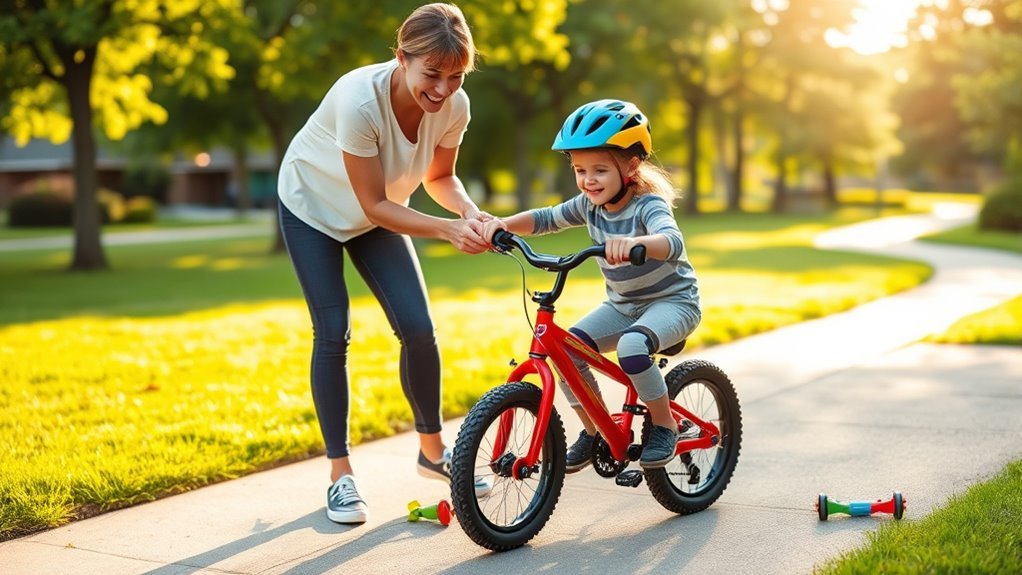
7 Easy Steps to Teach a Kid to Ride a Bike
Start by helping your child master balance skills without pedals. Use scooting and gliding to build confidence and make learning fun. Making sure the bike fits well is super important too.
Don’t forget proper safety gear like a helmet and pads to keep your little rider safe. Practice scooting with one pedal before attaching both securely. This helps them get comfortable moving and controlling the bike.
Next, teach starting and stopping techniques. These are key skills for any new cyclist. Then, encourage independent riding with minimal support to build their confidence even more.
These easy steps build coordination and safety, setting the stage for confident biking adventures. Keep following for more tips to make learning easier and fun!
Master Balance Skills Before Pedaling
Before you introduce pedaling, focus on helping your child master balance by removing the pedals and lowering the seat so they can scoot with their feet flat on the ground.
This setup lets your child sit comfortably with proper seat height, promoting stability and control. Using a balance bike or a regular bike without pedals encourages them to practice steering and develop their balance without worrying about pedaling.
Encourage your child to walk the bike or make small hops, which builds confidence and improves coordination. Scooting with feet flat helps them feel secure and learn to glide smoothly.
Ensure Proper Bike Fit and Safety Gear
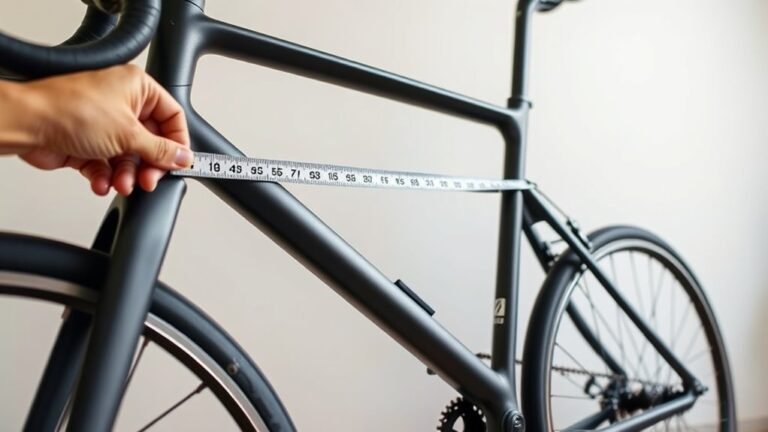
Once your child feels steady balancing on the bike, it’s time to make sure their bike fits properly and they’re geared up for safety. Check the bike fit by ensuring your child can stand over the top tube with both feet flat on the ground.
Next, focus on safety gear: a well-fitted helmet sitting level, with secure straps forming a snug V under the ears, is essential. Don’t forget knee pads, elbow pads, and gloves to protect against falls and scrapes.
Conduct a thorough bike inspection before each ride, checking proper tire pressure, brake function, and overall stability. Also, choose closed-toe shoes and avoid loose clothing to prevent accidents.
Practice Scooting and Gliding Without Pedals
As your child gains confidence balancing, encourage them to sit on the bike with their feet flat on the ground and push off to glide smoothly forward. Practice scooting on flat surfaces, using gentle pushes with their feet to build steady balance.
Focus on long, smooth gliding sessions, gradually increasing distance to develop control and confidence. Keep the seat low so their feet stay on the ground, helping them feel secure.
| Emotion | Reason |
|---|---|
| Joy | First smooth glides |
| Pride | Mastering balance |
| Excitement | Gaining control |
| Confidence | Successful push offs |
| Calm | Scooting on flat surfaces |
Regular practice of scooting and gliding sharpens your child’s balance and control, setting the foundation for pedal riding. It’s all about building those skills step by step.
Introduce One Pedal Scooting for Coordination
When your child feels steady with gliding, introduce one pedal scooting to develop coordination between pushing and pedaling. Have them place one foot on a pedal set around 1 to 2 o’clock while using the other foot to push off the ground. This position builds momentum and helps maintain balance.
Encourage your child to look ahead to improve steering control as they scoot forward. Repeated practice of one pedal scooting strengthens leg muscles and boosts confidence in managing the bike’s movement.
The motion bridges the gap between simple gliding and full pedaling, making it easier for your child to coordinate the push and pedal actions. Keep sessions short but frequent to build skill steadily without overwhelming your child.
Attach Both Pedals and Check Stability
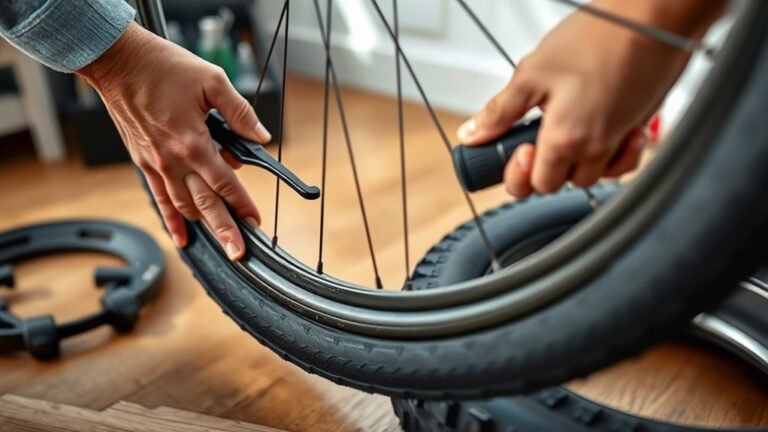
Before your child attempts full pedaling, attach both pedals securely to the bike and double-check their stability. Make sure each pedal is properly threaded onto the crankset, turning them clockwise on the right and counterclockwise on the left to guarantee they’re tight.
After you install the pedals, perform a “wiggle” test with the brakes engaged to check for any wobbling or looseness. Confirm the pedals rotate smoothly without resistance and are perfectly aligned with the crank arms.
This vital safety step assures the bike’s stability and helps build your child’s confidence when they start pedaling independently. Don’t skip this check—secure pedals keep the ride safe and comfortable, preventing accidents caused by loose or misaligned pedals during those first rides.
Teach Starting and Stopping Techniques
Although starting and stopping might seem simple, teaching your child these skills lays the foundation for safe and confident riding. Begin with starting by showing them the “power pedal position”—one foot on a pedal at 1 or 2 o’clock and the other on the ground.
Teaching your child the “power pedal position” sets the stage for safe and confident bike riding.
Encourage gentle pushes to build momentum and confidence while pedaling from a seated position. For stopping, focus on braking techniques, especially using coaster brakes by gently squeezing the brake lever or pedaling backward to slow down gradually.
Practice controlled stopping to improve balance and control, reinforcing smooth braking. Guide your child through stepping off safely after stopping.
Mastering these ride skills ensures they develop the necessary control, balance, and confidence for a positive biking experience.
Encourage Independent Riding With Minimal Support
As your child gains confidence, ease off your support by holding only their clothing or lightly gripping the handlebars. This gradual reduction in assistance encourages independent riding, helping them develop balance and build confidence on their own.
Use a steady, minimal grip to support without over-controlling, allowing your child to experience and correct balance challenges. Stand at a safe distance to avoid over-helping, giving them space to practice their skills.
Celebrate small victories, like riding unsupported for a few meters, to motivate further progress. As their skills improve, gradually increase the riding distance, reinforcing their independence.
Conclusion
Teaching a kid to ride a bike is like planting a seed that grows into freedom’s wings. With patience and these simple steps, you’ll watch wobbles turn into confident glides, and hesitant pushes become joyful rides.
Keep encouraging, and soon they’ll pedal away with the breeze, feeling the thrill of independence. Remember, every fall is just a step closer to soaring—so keep the journey light, fun, and full of smiles.
Teaching a kid to ride a bike is more than just a skill; it’s about building confidence and creating happy memories. With these easy steps, you can help your child enjoy the process without stress. So, grab that bike, wear a helmet, and start making those first glides. Before you know it, your kid will be riding with joy and pride, embracing the freedom that comes with every pedal stroke.