
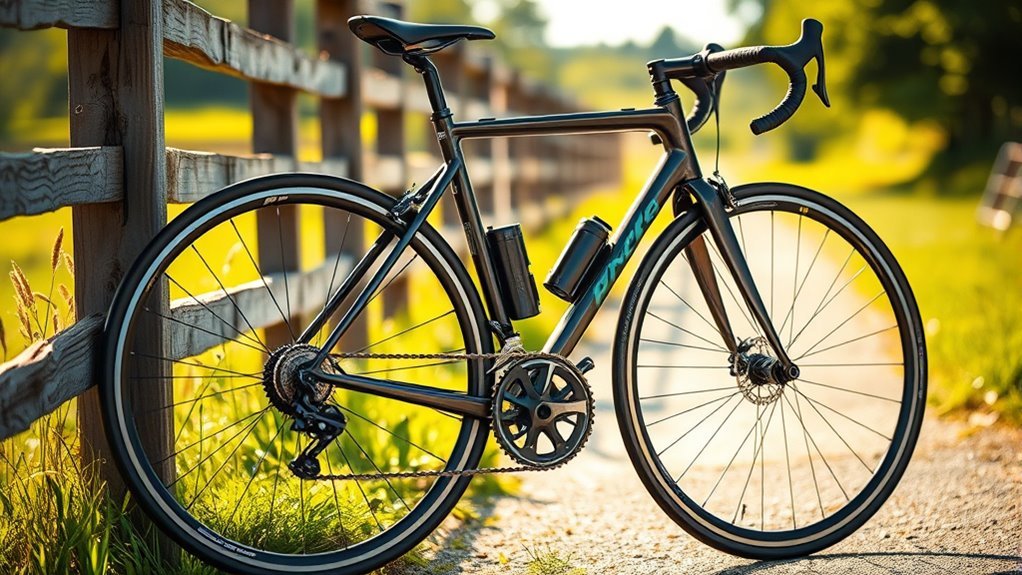
How Much Does a Bicycle Weigh on Average?
A typical bicycle weighs about 8 kilograms (18 pounds), making it easy to handle for most riders.
Road bikes usually weigh less because they’re designed for speed and efficiency. On the other hand, mountain and hybrid bikes tend to be heavier due to their sturdier build.
Carbon fiber frames are often the lightest option, perfect if you want to shave off every possible gram. Steel frames, however, add more weight but offer durability and a classic feel.
Don’t forget, things like tire size, components, and any accessories you add can also change the overall weight.
Knowing these factors helps you pick a bike that suits your riding style and needs.
Plus, understanding how weight affects performance can make your rides more enjoyable and efficient.
So, whether you’re hitting the road or the trails, it’s good to keep weight in mind!
Average Bicycle Weights by Type
Although bicycle weights vary widely, knowing the average weight by type helps you choose the right bike for your needs. The typical road bike weighs about 8 kg (18 lbs), with lightweight bikes made from carbon fiber sometimes dropping to 6.8 kg (15 lbs).
Mountain bikes tend to be heavier, ranging from 9.5 kg (21 lbs) to 13.1 kg (28.8 lbs), influenced by suspension and tire size. Hybrid bikes fall between these, usually weighing 11.8 kg (26 lbs) to 14.3 kg (32 lbs).
Bike frame material plays a big role in bike weight—carbon fiber offers the best balance of lightness and strength, while steel frames add weight but improve durability. Knowing the overall weight helps you evaluate bike performance and find the best fit for your riding style.
Factors Influencing Bicycle Weight
Because every component adds up, understanding the factors influencing bicycle weight helps you make smarter choices when selecting or upgrading a bike. Frame material plays a major role—carbon fiber frames are lighter, often around 8 kg, while steel frames tend to be heavier, pushing past 10 kg.
Choosing the right frame material is key—carbon fiber is light, steel is heavier, impacting overall bike weight.
Tire size and type also affect weight; narrow racing tires weigh less than wider mountain tires. Component weight matters, too, especially if you opt for high-end components that shave off grams.
Accessories like racks or lights add extra kilos, so keep those in mind. Design features, including frame design and tube thickness, influence weight by balancing strength and minimalism.
Also, consider your body weight and the bike’s weight limit to ensure safety. All these factors together determine the average bike weight you’ll experience.
Conclusion
Now that you know the average bicycle weight varies widely—from about 15 pounds for road bikes to over 30 pounds for mountain bikes—you can better choose the right one for your needs.
Keep in mind, factors like frame material and added accessories also play a big role.
So next time you’re shopping or upgrading, remember that even a few pounds can make a noticeable difference in your ride’s performance and comfort.
Understanding the average bicycle weight helps you pick a bike that matches your riding style and goals. Whether you want a lightweight road bike for speed or a sturdy mountain bike for rough trails, knowing the weight can guide your decision.
Plus, keeping an eye on frame materials and accessories ensures you’re not carrying unnecessary extra weight. In the end, choosing the right bicycle weight can improve your cycling experience, making every ride smoother and more enjoyable.