10 Factors That Affect How Long It Does Take to Bike 3 Miles
Your 3-mile bike time depends on several factors you can control and others you can’t. Things like your fitness level, the type of bike you ride, and how well your bike is maintained all impact your speed. These are important because they directly affect how efficiently you pedal and handle the bike.
Then there are external factors like terrain, elevation, and weather that can either slow you down or speed you up. Your riding posture and pacing also matter—they help manage your energy and reduce wind resistance, making your ride smoother.
Don’t forget about traffic and route choice, too. They play a big role in how fast or slow you can go. Keep exploring these areas, and you’ll find ways to improve your ride time and enjoy biking even more.
Key Takeaways
- Fitness level and muscle recovery influence cycling speed and endurance, affecting how quickly 3 miles are completed. It’s pretty clear that if you’re in better shape, you’ll likely finish faster.
- Bike type, maintenance, and tire condition directly impact riding efficiency and overall time. A well-kept bike just makes the ride smoother and quicker.
- Terrain, elevation, and weather conditions like wind and rain significantly alter cycling speed and duration. So, if the path is hilly or it’s windy out, expect to take longer.
- Aerodynamic posture and clothing reduce wind resistance, enabling faster rides over short distances. It might seem small, but it really does help shave off some time.
- Route choice, traffic, and effective pacing strategies help maintain steady speed and minimize delays. Picking the right path and keeping a good rhythm can make a big difference.
How Fitness Level Affects Your 3-Mile Bike Time
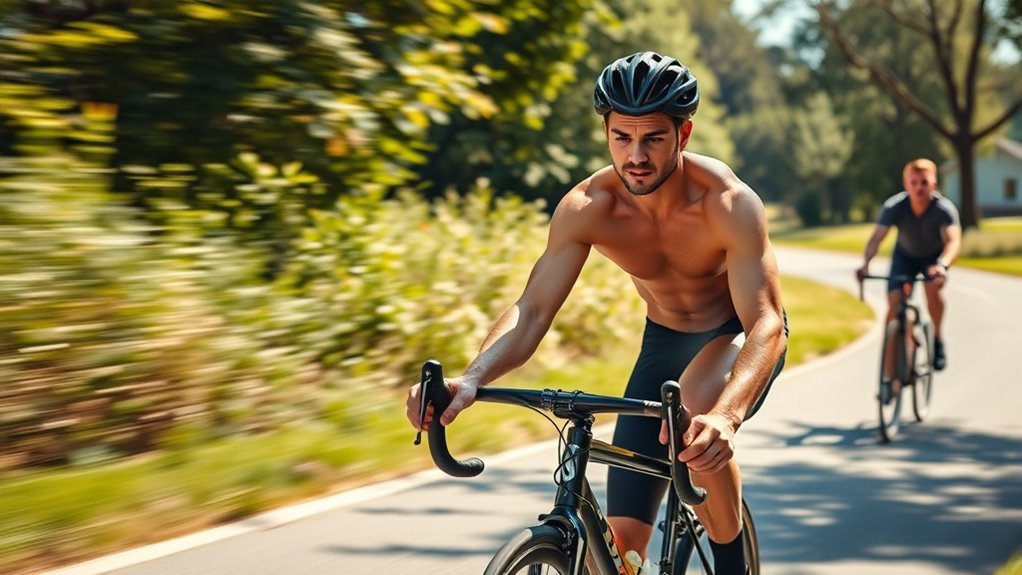
Although many factors influence your 3-mile bike time, your fitness level plays a major role. When you’re fit, your body can sustain higher speeds for longer, drastically improving your performance.
Increased cardiovascular endurance means you won’t tire quickly, allowing you to maintain a steady, fast pace throughout the ride. Typically, well-conditioned cyclists can cover 3 miles in 7 to 9 minutes, while those with lower fitness levels might take 11 to 15 minutes.
As you regularly cycle and improve your fitness, you’ll notice your speed picking up and your overall time dropping by several minutes. On the flip side, if your fitness is lacking or muscle fatigue sets in, you’ll slow down, stretching your ride beyond typical durations.
How Bike Type Affects Your 3-Mile Bike Time
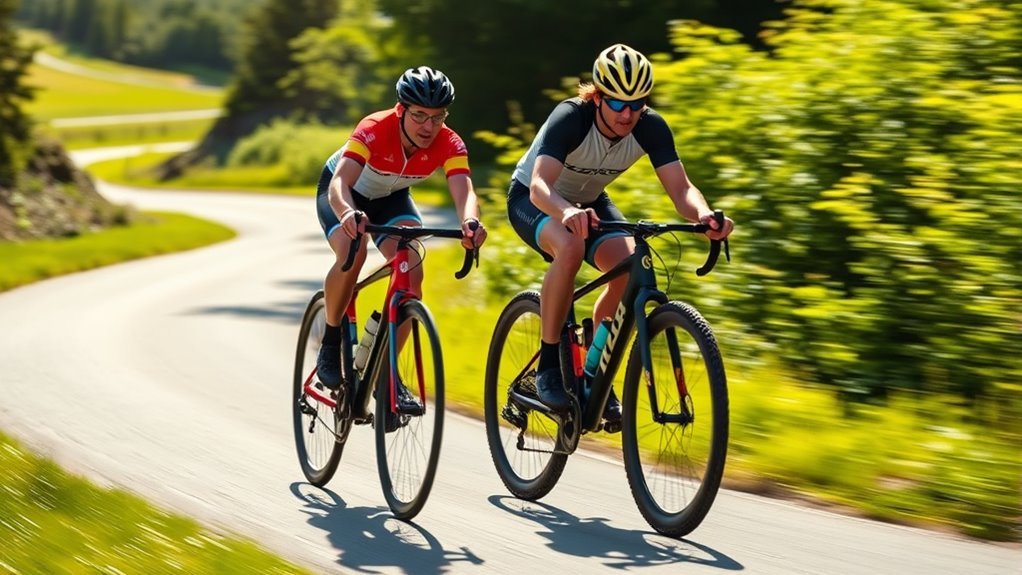
Your fitness level definitely impacts how fast you can bike 3 miles, but the type of bike you ride also plays a big role. Different bike types affect your average speed and, in turn, how long your 3-mile ride takes.
For instance, road bikes typically let you cruise around 16 mph, so you can finish 3 miles in about 11 minutes and 15 seconds. If you ride a mountain bike, expect a slower average speed near 12 mph, stretching your time to roughly 15 minutes.
Hybrid bikes fall in between, averaging around 13.3 mph, which means about 13 and a half minutes for the same distance. E-bikes give you a boost, helping you hit speeds up to 20 mph and cut your 3-mile ride down to around 9 minutes.
Choosing the right bike type can make a noticeable difference in your ride time, so consider your goals and terrain when picking your bike.
How Terrain and Elevation Impact Your 3-Mile Speed
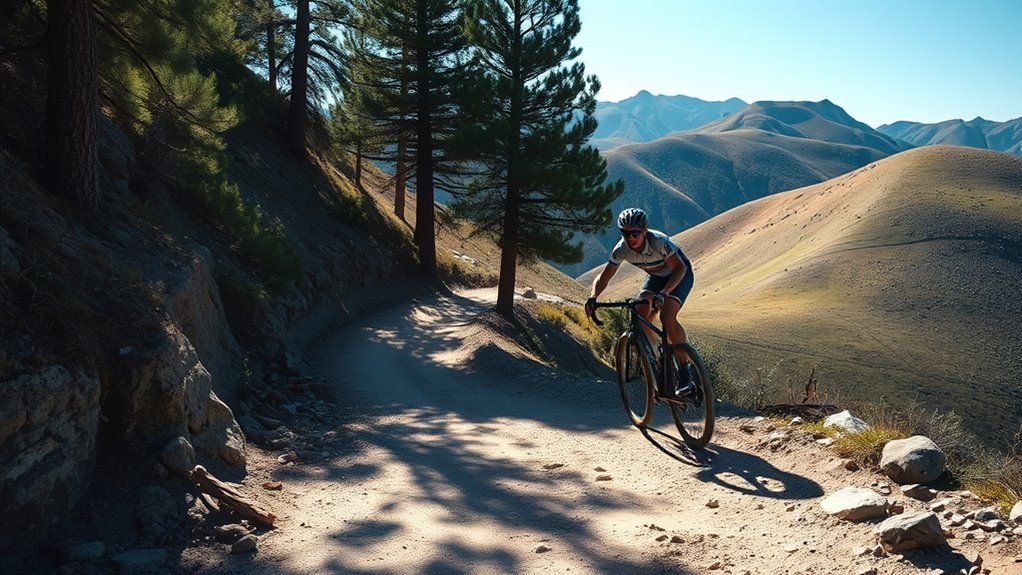
When you bike on flat terrain, you can maintain speeds around 16 mph, finishing 3 miles in about 11 minutes and 15 seconds. Terrain plays an essential role in how fast you’ll go.
Biking on flat terrain lets you maintain about 16 mph, covering 3 miles in just over 11 minutes.
If you encounter rough or uneven surfaces, your speed drops by 10-20% due to increased rolling resistance. Elevation changes have an even bigger impact.
Climbing a hill with a 5% gradient can double your time, stretching the 3-mile ride to 22 minutes or more. Steeper inclines slow you further, dropping speeds to 8-10 mph.
On the flip side, descending hills lets you speed up considerably, sometimes surpassing 25 mph, cutting your time down. So, whether you’re facing flat roads, rough paths, or hills, terrain and elevation directly influence your speed and the total time it takes to bike 3 miles.
Understanding these factors helps you plan your ride better and set realistic expectations.
How Weather Affects Your 3-Mile Bike Time
How much does weather influence your 3-mile bike time? Quite a bit. Headwinds can cut your cycling speed by 10-20%, making your ride duration noticeably longer.
Rainy weather worsens things by increasing rolling resistance and reducing visibility, slowing you down by 15-25%. Hot conditions might seem less obvious, but they cause fatigue and dehydration that reduce your average speed, stretching out your ride time.
Cooler temperatures usually don’t affect your speed much, but you’ll need the right clothing to stay comfortable and maintain performance. Sudden weather changes, like thunderstorms or strong gusts, can force you to slow down or even stop, dramatically increasing your total cycling time.
How Traffic and Route Choice Influence Your Ride Time
Although weather plays a big role, traffic conditions and the route you choose can make an equally significant difference in your 3-mile bike time. When you pick a route with dedicated bike lanes or cycle paths, you avoid traffic congestion and obstacles, which helps you maintain a higher average speed.
Smooth, flat roads let you ride faster compared to hilly or rough terrain, cutting down your ride time. On the other hand, routes with frequent stoplights or busy intersections slow you down, forcing you to stop and start repeatedly.
Heavy traffic can add several minutes to your trip, so opting for less trafficked roads or riding early in the morning helps you keep a steady pace. Your average speed depends heavily on how well you navigate traffic and choose your route.
How Tire Type and Pressure Affect 3-Mile Rides
You’ll notice that tire pressure plays a huge role in how quickly you finish a 3-mile ride—higher pressure means less resistance and faster speeds. The type of tire you choose also matters, since narrower, slick tires glide more easily on pavement.
Paying attention to these factors can shave valuable time off your ride. It’s pretty cool how small changes like these can make a real difference!
Tire Pressure Importance
When you keep your bike tires properly inflated, you cut down on rolling resistance and make your 3-mile ride faster and more efficient. Maintaining the right tire pressure optimizes bike performance by reducing drag, so you expend less energy pedaling.
If your tires are under-inflated, you’ll feel more resistance, which slows you down and tires you out quicker. On the other hand, over-inflated tires might make your ride harsher and reduce grip on uneven surfaces, which can also affect your speed.
For most road bikes, sticking to the recommended tire pressure—usually between 80 and 110 psi—ensures you get the best balance between speed, comfort, and control. Paying attention to tire pressure is an easy way to improve your 3-mile ride time without extra effort.
Tire Type Differences
Since tire type directly influences how your bike interacts with the road, choosing the right tires and maintaining proper pressure can considerably impact your 3-mile ride time. If you ride a road bike, inflating your tires to 80-120 psi reduces rolling resistance, allowing you to cover those 3 miles faster.
On the other hand, mountain bike tires, usually at 30-50 psi, increase rolling resistance on paved surfaces, slowing you down. Higher tire pressure minimizes tire deformation, improving speed and efficiency, but don’t overdo it—too much pressure can reduce grip and comfort.
That can affect your safety and speed. Matching tire pressure to your bike type, terrain, and weight optimizes energy transfer and cuts fatigue. This way, you’ll be able to complete your 3-mile ride in less time.
How Bike Maintenance Improves Your Ride Efficiency
Although biking speed depends on many factors, maintaining your bike plays a crucial role in improving ride efficiency. Regular bike maintenance guarantees your ride stays smooth and fast.
Maintaining your bike is key to a smooth, fast, and efficient ride every time.
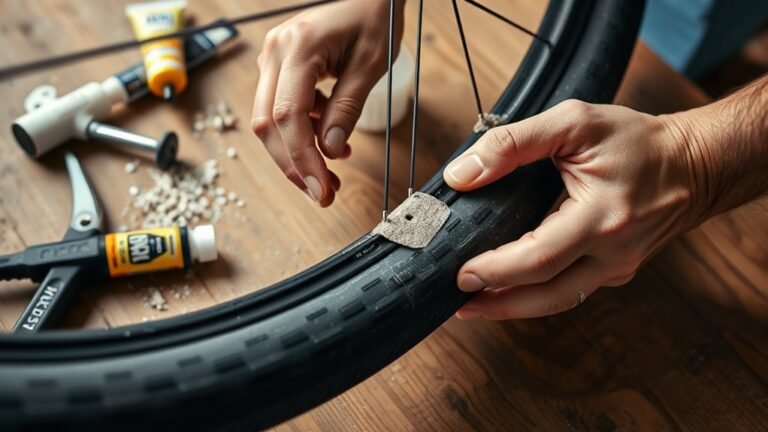
For example, keeping your tire pressure at the recommended level reduces rolling resistance, making pedaling easier and more efficient. You’ll also want to clean and lubricate your chain regularly to minimize drivetrain friction. This helps transfer your power to the wheels more effectively.
Properly adjusted brakes prevent unnecessary drag that can slow you down. Checking tire tread and replacing worn tires improves grip and reduces resistance too.
Don’t forget to inspect and tighten bolts and components to avoid mechanical issues that could disrupt your ride. By staying on top of these maintenance tasks, you’ll enjoy a more efficient ride, helping you bike 3 miles faster and with less effort.
How Riding Position and Air Resistance Change Your 3-Mile Time
You can cut seconds off your 3-mile time by adjusting your riding position to be more aerodynamic, like lowering your torso and tucking your elbows. Reducing wind resistance with a streamlined posture and gear helps you maintain higher speeds with less effort.
On the other hand, sitting upright increases drag, making your ride slower and more tiring. So, if you want to go faster without pushing harder, a little tweak in your position can make a big difference.
Aerodynamic Riding Posture
When you adopt an aerodynamic riding posture, you cut through air resistance more efficiently, allowing you to maintain higher speeds over a 3-mile ride. By lowering your torso and adjusting your bike’s handlebars, you reduce drag by up to 20%, which can shave several seconds off each mile.
This streamlined riding position minimizes your frontal area, dramatically decreasing the air resistance that slows you down, especially on flat terrain. Even small changes in how you align your body can make a noticeable difference in your overall time.
Adopting this posture isn’t just about comfort—it’s a strategic choice that optimizes your speed and energy use. It helps you bike faster and more efficiently over the entire 3 miles.
Impact of Wind Resistance
How much difference can wind resistance make on your 3-mile bike ride? Wind resistance, a key type of air resistance, can substantially slow you down, especially when you’re battling headwinds.
Riding at speeds above 10-15 mph, air resistance becomes the main force working against you. You can slash this drag by tucking in your elbows and lowering your torso to adopt a more aerodynamic position. This can reduce air resistance by up to 50%.
Wearing tight-fitting clothing also cuts wind resistance. This saves you 1-2 minutes over 3 miles compared to loose apparel.
Headwinds increase air resistance, adding several minutes to your ride. Tailwinds, on the other hand, do the opposite.
Managing wind resistance smartly can noticeably improve your 3-mile time. It’s definitely worth paying attention to!
How Pacing Affects Your 3-Mile Bike Time
Although it might be tempting to start your 3-mile bike ride at a sprint, pacing yourself consistently—around 14 mph, for example—will help you finish in about 12 minutes. Maintaining a steady ride speed lets you avoid early fatigue, which can slow you down and increase your overall bike time.
Instead of pushing hard from the beginning, aim for a moderate, sustainable pace.
You can also adjust your pacing by speeding up on flat sections and easing off on hills to optimize your total time. Using a cycling computer or watch to monitor your real-time speed makes it easier to keep this balanced pace.
Proper pacing prevents burnout, allowing you to sustain effort throughout your ride and potentially shave several minutes off your 3-mile bike time. By focusing on consistent pacing rather than bursts of speed, you’ll ride more efficiently and finish faster.
Why Rest and Recovery Matter for Your Cycling Speed
You can’t expect to improve your cycling speed without giving your body time to rest and recover. Proper recovery helps your muscles repair and prevents fatigue.
Importance of Rest
When you give your body enough rest, your muscles repair themselves and fight off fatigue, which helps you bike faster over time. Rest and recovery aren’t just about taking breaks; they’re essential for maintaining and improving your cycling performance.
Without adequate rest, you risk overtraining, which leads to soreness, injuries, and decreased speed. Regular rest days replenish your energy stores, allowing you to sustain effort during longer or more intense rides.
Skipping recovery can cause accumulated fatigue and muscle exhaustion, slowing you down. By prioritizing rest, you guarantee consistent progress and avoid burnout, keeping your motivation high.
Ultimately, incorporating rest into your routine is a smart strategy to enhance your cycling speed and enjoy every ride more. It’s all about working smarter, not just harder!
Muscle Recovery Benefits
Because cycling creates tiny muscle tears, your body needs rest to repair them and boost your strength. Muscle recovery is vital for improving cycling performance since it helps rebuild muscle fibers, making you stronger and faster over time.
Rest days allow your muscles to replenish glycogen stores, providing the energy necessary for sustained effort during your rides. Skipping recovery can lead to muscle fatigue, reducing your ability to maintain speed.
By incorporating regular rest days, you prevent overtraining and lower injury risks, ensuring consistent progress. Studies show that proper muscle recovery increases endurance and efficiency, directly impacting how quickly you can bike 3 miles.
Managing Fatigue Levels
Although pushing yourself during rides is important, managing fatigue through proper rest and recovery plays a crucial role in maintaining your cycling speed. When you allow your muscles time to repair, you prevent fatigue from building up, which helps you sustain consistent speeds over your 3-mile rides.
Prioritizing recovery with adequate sleep and rest days boosts your endurance, so you can ride stronger and longer without slowing down. Skipping recovery can lead to soreness and fatigue, which directly decreases your performance and increases the time it takes to bike 3 miles.
Additionally, rest days help replenish glycogen stores, giving you the energy needed for your next ride. Avoid overtraining by balancing effort with recovery to prevent burnout and keep your cycling speed efficient.
Frequently Asked Questions
How Long Should a 3 Mile Bike Ride Take?
You should expect a 3-mile bike ride to take between 9 and 13 minutes if you’re riding at a moderate pace.
Beginners might take longer, while experienced cyclists will finish faster. It really depends on your speed and effort.
What Is the 75% Rule in Cycling?
You might think going all out is best, but the 75% rule in cycling tells you to keep effort moderate—around 75% of your max—to build endurance, avoid burnout, and still carry on a conversation while riding.
It’s not about pushing yourself to the limit every time. Instead, think of it as pacing yourself so you can ride longer and feel good doing it. Give it a try next time you’re on the bike!
How Hard Is It to Bike 3 Miles?
Biking 3 miles isn’t too hard if you’re moderately fit and on a flat path. You’ll likely feel a good workout, but with steady effort, you can finish comfortably without pushing yourself to the limit.
It’s really manageable once you get going. Just keep a steady pace and enjoy the ride. You’ll be done before you know it!
What Will Biking 3 Miles a Day Do?
Biking 3 miles a day will boost your cardiovascular health, burn calories, and build muscle endurance. You’ll also improve your mood, reduce stress, and develop better cycling skills, making you stronger and more confident over time.
It’s a simple way to get moving and feel good. Plus, it doesn’t take much time, so it’s easy to fit into your daily routine. Before you know it, those small rides add up to big benefits!
Conclusion
When you hop on your bike, remember these 10 factors are like gears—they shift your 3-mile ride‘s speed. Your fitness, bike type, terrain, weather, and even traffic all play their part in how fast you pedal.
Keep your bike well-maintained, pace yourself, and stay mindful of rest to glide smoothly.
With these tips, your ride won’t just be a trip; it’ll be a breeze, turning every mile into pure joy. Paying attention to these factors can make a big difference in how long it takes to bike 3 miles. So whether you’re aiming for speed or just a relaxing ride, knowing what affects your pace helps you enjoy the journey more. Remember, it’s not just about the distance but how smoothly and comfortably you cover those 3 miles on your bike.