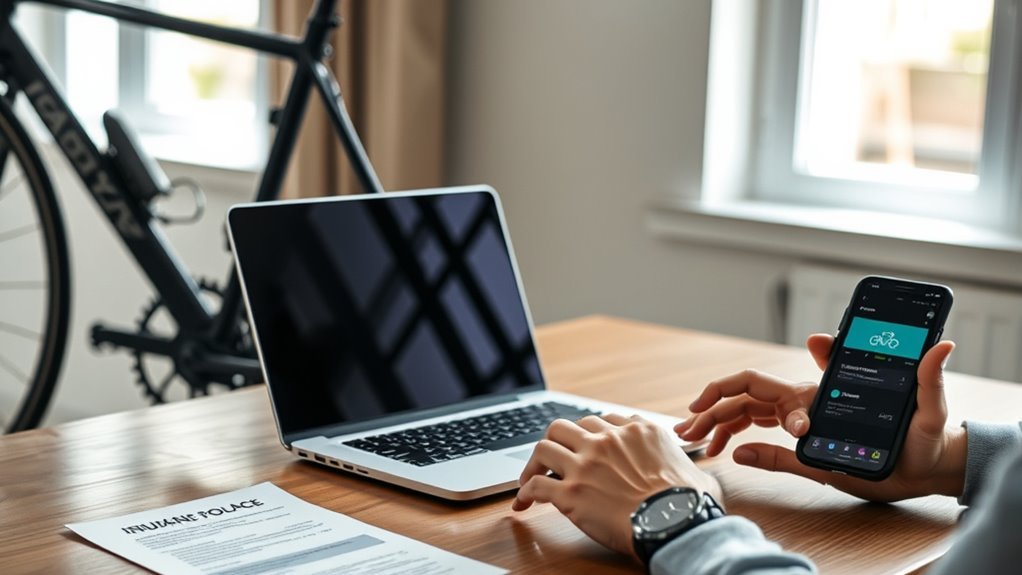
How to Insure a Bicycle Step by Step
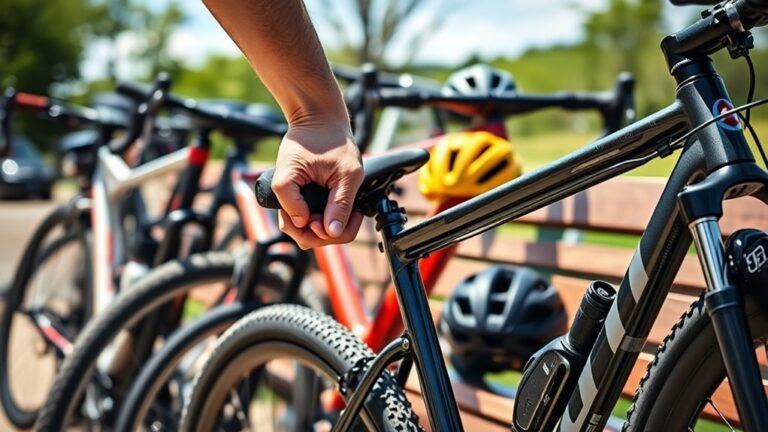
Start by evaluating your bike’s value using receipts or appraisals. Think about how often and where you ride because that affects the kind of coverage you might need.
Next, review your current insurance policy to see if it already covers theft or damage. You might be surprised by what’s included!
Then, compare insurers that specialize in bike coverage. Focus on policies that cover theft, damage, and liability protections tailored to your specific needs.
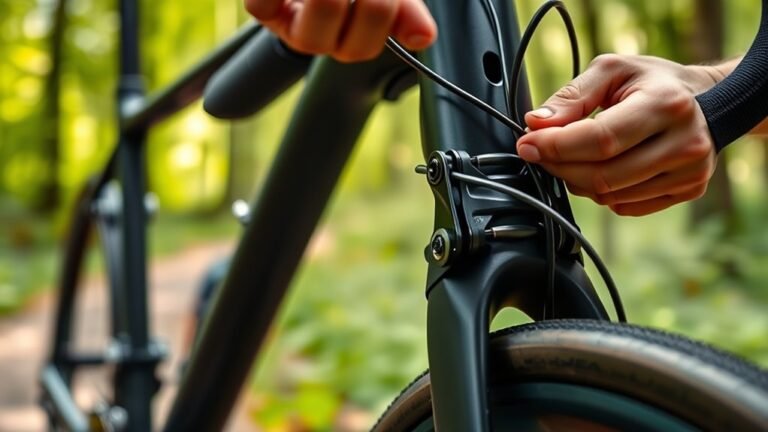
After you pick a policy, make sure you meet any security requirements they have. Keep your valuation documents handy just in case you need to file a claim.
Following these steps sets you up well. Want to know more about protecting your bike fully? Let’s dive into what else you should consider!
Assessing Your Bicycle and Coverage Needs
Before choosing a bike insurance policy, you should assess your bicycle’s value and how you use it. Start with a thorough bicycle valuation, gathering receipts or appraisals as valuation documentation, especially for high-end models.
Next, consider your riding habits—commuting, racing, or trail riding—to pinpoint your coverage needs. Factor in potential risks like theft or accidental damage based on where and how often you ride.
Conduct an insurance assessment by reviewing existing policies, such as homeowners or renters coverage, to see what personal property protections apply to your bike. This helps you decide if theft coverage and damage protection are already included or if you need specialized insurance options.
Choosing and Securing the Right Insurance Plan
When selecting an insurance plan, you’ll want to research various providers to compare coverage options, costs, and their reputation for bicycle insurance.
Consider your bike’s value and typical use to choose a policy with suitable policy limits and features, such as theft coverage, damage protection, and personal liability.
Assess your bike’s worth and usage to find coverage matching theft, damage, and liability needs.
Decide if specialist bike insurance or adding coverage through your homeowner’s policy fits best.
Verify the insurance provider’s stability and customer support before committing.
Confirm whether they require specific security measures, like approved locks, to activate coverage.
Prioritize plans that simplify filing insurance claims and clearly outline bike security expectations.
Taking these steps ensures you secure an insurance policy tailored to protect your bike effectively and reduce risks while riding or storing it.
Conclusion
Now that you’ve navigated the nuances of your needs and nabbed the perfect plan, protecting your prized pedal power is a smart step. Insuring your bicycle isn’t just about avoiding financial loss; it’s about peace of mind on every ride.
Bike insurance safeguards you against unexpected events like theft, damage, or accidents. When you have the right coverage, you can focus on enjoying your cycling adventures without worry.
Stay savvy, stay secure, and steer smoothly through any storm. With careful coverage, you can confidently conquer the roads and trails, knowing your two-wheeler is thoroughly tended to and treasured. Remember, bicycle insurance is an essential part of responsible ownership—helping you protect your investment and keep rolling no matter what comes your way.