What Kind of Bicycle Should I Buy: 7 Types to Consider
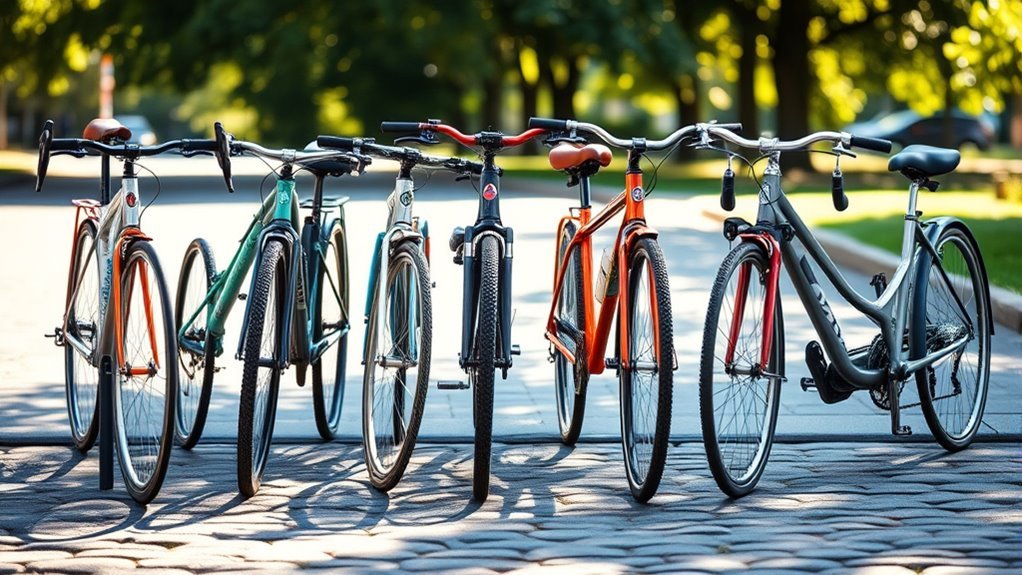
You should pick a bike that fits your riding style and terrain.
If you want speed on pavement, road bikes are great. They’re designed for smooth, fast rides and long distances.
For trails and rough terrain, consider mountain bikes with suspension options. These bikes handle bumps and obstacles well, making your off-road adventures more comfortable.
Hybrids suit varied surfaces with comfort, while gravel bikes handle mixed terrain and adventure. Both are versatile choices if you like exploring different kinds of paths.
Folding bikes work well for city commuting and tight spaces. They’re easy to store and carry on public transport, perfect for urban riders.
Electric bikes offer pedal assistance, making your ride less strenuous, especially on hills.
Cargo or cruiser bikes focus on carrying capacity and leisure rides.
Explore each type to find your perfect match.
Road Bikes
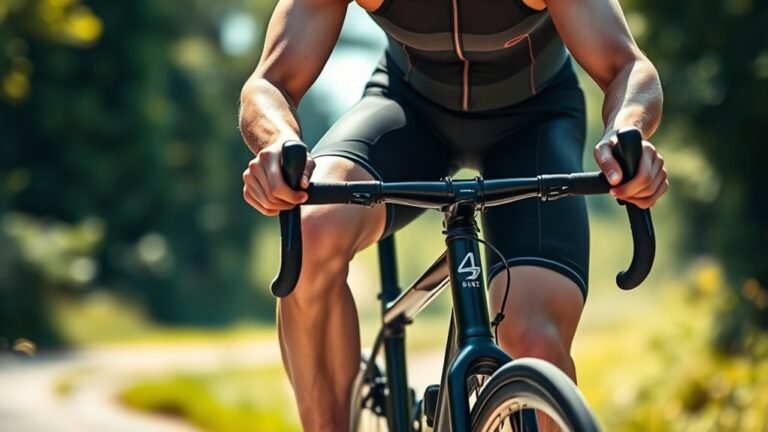
Looking for a bike that excels on smooth pavement? Road bikes are your best bet. They feature lightweight frames that make pedaling easier and boost your speed.
With skinny tires designed for paved surfaces, you’ll experience less rolling resistance and a faster ride. The drop handlebars let you switch hand positions and adopt an aerodynamic positioning, helping you cut through the wind efficiently.
Multiple gears on road bikes ensure you can tackle hills without breaking a sweat. Whether you’re commuting, racing, or just riding for fitness, these bikes offer the performance you need on smooth roads.
Just keep in mind, road bikes aren’t built for off-road or rough terrain, so they’re not the best choice if you plan to ride anywhere bumpy. But if smooth roads are your thing, they’re hard to beat!
Mountain Bikes
When choosing a mountain bike, you’ll want to contemplate the different styles like cross-country or fat-tire, each built for specific terrains.
Understanding suspension types—whether front-only or full suspension—can make a big difference in your ride comfort.
You’ll also need to pick a frame material that balances weight, durability, and cost to fit your needs. It’s all about finding what works best for you!
Mountain Bike Styles
How do you choose the right mountain bike style for your off-road adventures? Mountain bikes come mainly in two styles: hardtail and full suspension.
Hardtail bikes have front suspension only, making them lighter and more affordable. They’re great if you’re tackling smoother trails or want a bike that’s easier to maintain.
On the other hand, full suspension mountain bikes feature both front and rear shocks, offering superior traction and comfort on technical, rough terrain. While full suspension models are pricier, they help absorb bumps, making your ride smoother and less tiring.
Your choice depends on your budget and the type of trails you plan to ride. Both styles feature wide, knobbly tires and durable frames built to handle rugged conditions.
Suspension Types Explained
Choosing between hardtail and full suspension mountain bikes means understanding how their suspension systems work. Hardtail bikes feature front suspension only, making them lighter and more affordable—great if you’re just starting out.
Full suspension bikes, on the other hand, have both front and rear shocks, which deliver better comfort and control on rough trails but come at a higher price. The suspension travel also matters; cross-country bikes usually have less travel for efficiency, while downhill bikes offer more for absorbing big impacts.
- Hardtail: front suspension only, simpler and lighter
- Full suspension: front and rear shocks, superior traction
- Suspension tuning: essential for smooth rides and control
Knowing these differences helps you pick the best suspension type for your riding style. So, whether you want something straightforward or a bike that can handle rough terrain with ease, understanding suspension makes all the difference.
Choosing Frame Materials
Since your bike’s frame forms its foundation, picking the right material can considerably impact your ride’s weight, durability, and feel. When choosing frame materials for mountain bikes, aluminum is a popular choice, offering a good balance of affordability, light weight, and durability.
If you prefer a lighter, stiffer ride and don’t mind a higher price, carbon fiber bike frames excel in performance but are often found on high-end models. Steel frames provide excellent strength and shock absorption, ideal for rough terrain and long rides, though they weigh more.
Titanium combines carbon’s lightness and strength with corrosion resistance but costs markedly more. Consider your riding style and budget carefully—each frame material shapes your bike’s feel and longevity, so pick what suits your adventure best.
Hybrid Bikes
What makes hybrid bikes stand out is their blend of road and mountain bike features, offering you a versatile ride for different terrains. Hybrid bikes provide a comfortable ride thanks to upright handlebars and cushioned seats, making them perfect for commuting or leisurely rides.
Hybrid bikes combine road and mountain features for a comfortable, versatile ride across various terrains.
With multiple gears, you can easily adjust to hills and varied surfaces without breaking a sweat.
Here’s why you might choose a hybrid bike:
- Versatility: Medium-width tires handle pavement and light trails.
- Comfort: Designed for an upright posture to reduce strain.
- Practicality: Great for errands and daily rides with balanced performance.
If you want a bike that adapts to different environments while keeping comfort front and center, hybrid bikes are a smart choice.
Gravel Bikes
If you want a bike that handles pavement, dirt roads, and gravel trails with ease, gravel bikes are a smart choice. They come with drop handlebars, wider tires, and frames built to tackle mixed surfaces comfortably.
Whether you’re planning long rides or adventure cycling, these bikes offer the versatility and features you need. They’re really designed to adapt to whatever path you choose.
Versatility on Mixed Surfaces
When you want a bike that handles both paved roads and unpaved trails with ease, gravel bikes offer the perfect balance. Their design suits mixed surfaces, blending the efficiency of road bikes with the toughness needed for rougher terrain.
The tire width, typically between 35mm and 45mm, provides extra grip and comfort on uneven ground without sacrificing speed on pavement.
Gravel bikes excel in versatility because they:
- Offer relaxed geometry for a comfortable ride on varied terrain
- Accommodate wider, knobbier tires to boost traction
- Include mounting points for gear, perfect for longer adventures
With gravel bikes, you get a reliable companion that adapts seamlessly from city streets to dirt paths. This makes your rides more flexible and enjoyable.
Frame and Tire Features
Gravel bikes stand out because of their thoughtfully designed frames and tires, which help you tackle varied terrain with confidence. Their frames feature wider clearance for tires and mudguards, letting you adapt easily.
The lightweight frame materials like aluminum or carbon fiber boost your speed and handling. The geometry offers a more upright position to enhance comfort on long rides.
Tires range from 32mm to 50mm wide, with tread patterns from smooth to knobby, so you can pick the right balance of grip and speed.
| Feature | Description | Benefit |
|---|---|---|
| Frame | Lightweight, wide clearance | Versatile & fast |
| Tires | 32-50mm, varied tread patterns | Traction & comfort |
| Geometry | Upright riding position | Long-ride comfort |
Typical Gravel Bike Uses
Where can you take a bike built for both paved roads and rugged trails? Gravel bikes are perfect for exploring a wide range of environments thanks to their tire clearance that supports wider, knobby tires and accessories like mudguards and racks.
Their relaxed geometry keeps you comfortable on long rides, while multiple gear ratios help you tackle mixed terrains with ease. You’ll find gravel bikes excel in:
- Adventure rides on dirt roads and gravel paths
- Bikepacking trips requiring gear-carrying capacity
- Commuting through unpredictable weather and surfaces
With reliable disc brakes and versatile design, these bikes let you confidently switch between smooth pavement and rougher trails without missing a beat. If you want one bike that does it all, gravel bikes are a smart choice.
Folding Bikes
Because space can be tight both at home and on public transport, folding bikes offer a practical solution by folding into a compact size for easy storage and carrying. If you live in a city or rely on trains and buses, folding bikes make urban commuting much simpler.
Their smaller wheels, typically 16-20 inches, trade a bit of speed for improved maneuverability, perfect for navigating crowded streets. Brands like Brompton lead the market, offering high-quality options that fold quickly and fit into tight spaces.
Many folding bikes come with adjustable features to suit your comfort, and some models even include electric assist to ease your ride. Choosing a folding bike means you get the convenience of compact storage without sacrificing mobility in busy urban environments.
Electric Bikes
How can you make long rides or steep hills feel effortless? An electric bike is your answer. It uses a motor and battery to assist your pedaling, making tough terrain manageable and extending your range.
You’ll notice the extra weight—typically 50 to 70 pounds—due to these components, but that’s a fair trade-off for the boost you get.
Consider these key points when choosing an e-bike: Motor placement matters. Hub motors offer smooth rides; mid-drive motors provide better handling.
Battery life usually lasts 5 to 10 years, but be ready for costly replacements and maintenance down the line.
Price ranges vary from $1,200 to over $3,000. Higher-end models come with longer battery range and advanced tech.
Electric bikes balance power and convenience for your cycling adventures. They really make a difference!
Cargo and Cruiser Bikes
If you appreciate the power and convenience of electric bikes, you might also enjoy the practicality and comfort that cargo and cruiser bikes offer. Cargo bikes are built with sturdy frames and racks, perfect for hauling groceries, kids, or gear.
They come in various designs, like long-tail or tricycles, maximizing load capacity and stability. Cruiser bikes focus on comfort with wide tires, flat handlebars, and relaxed upright positions, making them ideal for leisurely rides.
Both types shine in urban commuting, helping you navigate city streets while carrying what you need or simply enjoying a laid-back ride. Whether you want to run errands or unwind after work, cargo and cruiser bikes provide a reliable, eco-friendly option that balances function and style.
Conclusion
Choosing the right bike depends on your lifestyle and goals. Did you know that hybrid bikes have grown in popularity by over 30% in the last five years? That’s because they offer versatility for both city streets and light trails.
Whether you want speed, comfort, or cargo space, there’s a perfect bike for you. So, think about where and how you’ll ride, and pick the type that fits your needs best.
When deciding what kind of bicycle to buy, consider your daily routes, terrain, and how often you plan to ride. From road bikes to mountain bikes, each type serves a unique purpose. Hybrid bikes, for example, blend the best of both worlds, making them a great choice for many riders.
Ultimately, the best bike is one that matches your lifestyle and makes cycling enjoyable. Happy cycling, and enjoy the ride on your new bike!