10 Factors That Affect How Much a Bike Tune-Up Costs
Your bike tune-up cost depends on several factors, including your bike’s type, components, and condition. These elements play a big role in determining how much you’ll end up paying.
For example, specialized parts like suspension or hydraulic brakes usually add to the price. Electronic systems that need software updates can also increase the cost.
Labor rates vary depending on the shop’s expertise, and more complex services naturally take longer and cost more.
Replacement parts are another factor that can impact the final bill. Plus, the reputation of the shop you choose also matters.
Keep exploring to understand how all these elements shape your final tune-up bill. It’s helpful to know what to expect before you head to the bike shop!
Key Takeaways
- The scope of service, from basic adjustments to full overhauls, significantly affects bike tune-up costs.
- Bike type and components, such as full suspension or electronic systems, increase service complexity and price.
- Labor rates vary by shop reputation and technician expertise, influencing overall tune-up expenses.
- Replacement parts and supplies, especially for worn or specialized components, add to the total cost.
- Specialized services like suspension maintenance, hydraulic brake servicing, and electronic diagnostics raise tune-up fees.
What You Can Expect to Pay for MTB Tune-Ups
Although prices vary, you can typically expect to pay between $70 and $200 for an MTB tune-up, depending on the shop and level of service.
MTB tune-up costs generally range from $70 to $200, varying by shop and service level.
When you bring your bike to a local shop, service costs often start around $99.99 for a basic mountain bike tune-up, covering essential adjustments and safety checks.
More detailed packages can push the price higher, sometimes exceeding $200, especially if the shop includes extra services like detailed diagnostics.
Local shops usually charge between $135 and $200+ for a standard tune-up, reflecting their expertise and the extent of work included.
Keep in mind that additional services—such as suspension servicing or component replacements—often come at an extra cost, raising your final bill.
Knowing these price ranges helps you set realistic expectations for your mountain bike tune-up and budget accordingly, ensuring your bike stays in top shape without surprises.
How Your Bike Type and Components Affect Tune-Up Costs
The type of bike you own plays a big role in your tune-up cost. Complex models like full suspension or eMTBs often need extra time and specialized tools, especially for software diagnostics and motor checks.
If your bike has advanced components, expect higher service fees due to the expertise required. It’s just how it goes with more sophisticated gear!
Bike Complexity Impact
Since your bike’s complexity directly affects the time and skill required for a tune-up, expect costs to rise with more advanced features. Bikes with complex suspension setups, like full suspension models, need specialized suspension service that takes extra time and expertise.
Hydraulic disc brakes also require careful adjustment and sometimes bleeding, which adds to labor costs. If your bike has high-end components or intricate cable routing, mechanics must spend more time ensuring everything works smoothly.
Advanced features such as dropper posts or multiple drivetrain gears increase the tune-up’s complexity, demanding precise calibrations. Overall, the more integrated and sophisticated your bike’s parts are, the higher the tune-up cost will be.
That’s because it requires specialized tools and detailed attention to maintain peak performance. So, the more your bike has going on, the more work—and cost—you can expect.
E-MTB Diagnostic Needs
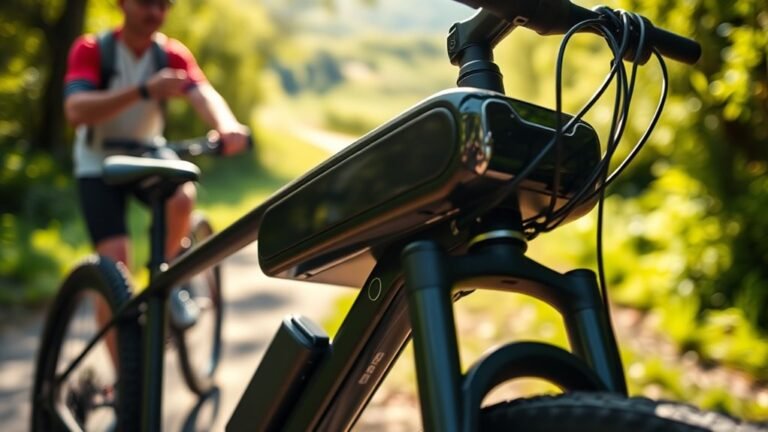
When you bring your e-mountain bike in for a tune-up, expect additional diagnostic work that goes beyond traditional bike maintenance. E-MTB diagnostics include software checks and firmware updates, which can add $20–$50 to your overall cost.
Your bike’s high-end motor and battery require specialized tools and expertise, often increasing labor rates. Plus, hydraulic brake systems on E-MTBs need extra servicing like fluid replacement and bleeding, further raising expenses.
Technicians also inspect and calibrate electronic components, extending service time compared to regular bikes. The complexity of your E-MTB’s drivetrain and suspension typically means higher parts and labor costs during tune-ups.
All these factors combined make E-MTB diagnostics a key reason your tune-up might cost more than a traditional bike service. So, it’s worth knowing what goes into keeping your e-mountain bike running smoothly!
Specialized Component Servicing
Because your bike’s components vary widely, tune-up costs can differ markedly based on what you ride and the parts it has. If you have a full suspension mountain bike, you’ll need additional suspension service and pivot point inspections, which add to the cost.
Bikes equipped with hydraulic disc brakes or electronic shifting require specialized tools and expertise, so mechanics often charge more for these services. Complex drivetrains, like 1x setups or electronic shifters, also mean more labor for precise adjustments.
High-end frames, especially carbon, demand careful handling, further increasing service fees. Ultimately, the type and quality of your bike’s components directly impact how much you’ll pay for a tune-up, as advanced systems require more time, skill, and specialized care.
How Suspension and Hydraulic Brakes Increase Tune-Up Costs
If your bike has suspension, expect the tune-up to take longer because it needs specialized inspection and maintenance. Hydraulic brakes also add complexity, requiring fluid replacement and bleeding that mechanical brakes don’t need.
These services demand more expertise and time, which drives up the overall cost of your tune-up. It’s just part of the deal when you have these advanced features on your bike.
Suspension Service Complexity
Although your bike’s suspension and hydraulic brakes greatly enhance performance, they also add complexity to tune-ups that drives up costs. Suspension servicing demands specialized tools and expertise, especially when dealing with high-end or electronic components that require software diagnostics. This specialized work increases labor time and service costs.
During suspension servicing, mechanics carefully clean and inspect stanchions, seals, and pivots. This process is more time-consuming than standard adjustments.
Similarly, hydraulic brakes involve complex fluid systems that need precise bleeding, pad inspection, and sometimes replacement. Inspecting fluid levels, line integrity, and caliper function adds to the tune-up’s complexity and cost.
Because of these factors, suspension servicing and hydraulic brake maintenance typically lead to higher service costs compared to basic bike tune-ups. So, it’s just something to keep in mind when planning your bike maintenance budget.
Hydraulic Brake Maintenance
How much does maintaining hydraulic brakes add to your bike tune-up? Hydraulic brake maintenance raises your tune-up cost by $50–$100 because it involves bleeding, fluid replacement, and precise adjustments.
These tasks need specialized tools and expert technicians, especially for high-end models. Since hydraulic brake systems are sensitive and critical for safety, proper maintenance is vital to avoid costly repairs or hazards.
Additionally, suspension components add complexity and time, further increasing costs.
| Task | Reason for Cost Increase | Typical Cost Added |
|---|---|---|
| Brake fluid replacement | Essential for performance | $20–$40 |
| Bleeding brakes | Removes air for safety | $15–$30 |
| Leak inspection | Prevents damage | $10–$20 |
| Precise adjustments | Ensures peak braking | $10–$20 |
| Expert labor | Specialized skills required | $50–$100 |
How Labor Rates Influence MTB Tune-Up Prices
Because labor rates vary widely among bike shops, you’ll often see significant differences in mountain bike tune-up prices. Specialty shops usually charge higher labor rates, around $75–$150 per hour, which directly raises your tune-up costs.
Shops with lower rates, typically $50–$100 per hour, might offer more affordable services but may lack expertise for complex MTB components. Since labor hours often outweigh parts costs, especially for suspension or electronic diagnostics, understanding labor rates is key to anticipating your total bill.
Consider these points about labor rates and tune-up costs:
- Specialty shops charge premium labor rates due to advanced skills and equipment.
- Lower labor rates can mean fewer specialized services for MTB repairs.
- Labor hours for intricate tasks heavily impact overall tune-up prices.
- Differences in hourly rates can cause $50+ price variations for similar services.
Knowing how labor rates influence costs helps you choose the right shop for your mountain bike needs. It’s all about balancing skill, service, and price to get the best value.
How Parts and Supplies Affect Tune-Up Costs
Labor costs play a big role in your tune-up bill, but the parts and supplies your bike needs can push the price even higher. Replacement parts like brake pads, chains, or cables often cause additional costs, especially if your bike uses high-end or specialized components.
Labor costs are significant, but pricey replacement parts can quickly increase your bike tune-up expenses.
These parts tend to be pricier than basic ones, so expect your tune-up cost to rise accordingly.
Shop supplies such as lubricants, degreasers, and cleaning products are also factored into the total cost. While these might seem minor, they add up and are usually charged separately from labor.
If your bike has worn or damaged parts that require immediate replacement, your bill can increase by hundreds of dollars, particularly for performance bikes. Also, if parts need to be ordered from manufacturers or specialty suppliers, you might face delays and extra shipping fees, which can bump up your tune-up’s final price.
How Tune-Up Packages Affect Pricing and Service Scope
While choosing a tune-up package, you’ll find that the level of service offered directly affects the price you pay. Tune-up packages vary widely in service scope, from simple safety checks to a full overhaul.
The more thorough the package, the higher the cost due to increased labor, specialized skills, and tools required.
Here’s what influences pricing and service scope in tune-up packages:
- Basic packages focus on quick adjustments and essential safety checks, keeping costs low.
- Mid-tier options include services like drivetrain cleaning and brake adjustments, adding value and price.
- Full overhaul packages cover extensive work such as wheel truing, component replacement, and deep cleaning, markedly raising the cost.
- The inclusion of extra services means more time and expertise, directly impacting the total price.
Understanding these differences helps you choose the right tune-up package that balances cost with the level of maintenance your bike needs.
Why E-Mountain Bikes Cost More to Service
When selecting a tune-up package for your bike, keep in mind that e-mountain bikes often come with higher service costs compared to traditional models. Their complex electric system requires software diagnostics and firmware updates, extending service time.
You’ll also need a mechanic with specialized tools and expertise to safely handle the high-voltage battery and electrical components. Motor calibration is another vital step that demands precision and experience, as incorrect adjustments can affect performance or cause damage.
Additionally, servicing e-MTBs involves intricate maintenance of hydraulic brakes and advanced suspension, both requiring extra care. These components often need specialized tools not used on standard bikes, which adds to labor expenses.
Troubleshooting the motor and replacing parts when necessary further increase costs. So, when you bring your e-mountain bike in for a tune-up, expect a higher price reflecting the advanced technology and skills involved in keeping it running smoothly.
How Riding Style and Bike Condition Affect Tune-Up Pricing
Because your riding style and the condition of your bike directly impact wear and tear, they play a major role in determining tune-up costs. A bike that gets frequent use on rough terrain or through vigorous riding will have more demanding bike needs, which often means pricier tune-ups.
On the other hand, if you stick to a consistent maintenance schedule, your bike stays in better shape. That means tune-ups can be simpler and less costly.
Think about how your riding habits and bike condition influence what your bike needs:
- Vigorous or mountain biking accelerates wear on suspension and drivetrain components.
- Bikes with rust or dirt buildup require more extensive cleaning and part replacements.
- Older bikes or those with high mileage demand more comprehensive adjustments.
- Regular maintenance reduces the complexity and frequency of tune-ups.
Knowing these factors helps you get a better idea of what to expect when it comes to tune-up pricing based on how you ride and care for your bike.
How Shop Reputation and Expertise Affect Tune-Up Prices
If you want a tune-up that guarantees quality and attention to detail, you’ll likely pay more at shops known for their reputation and expertise. These shops employ experienced technicians who bring advanced skills and thorough service levels, ensuring your bike gets the best care.
Their shop reputation often comes from consistent, high-quality work, including extensive inspections and the use of premium parts. This expertise justifies higher labor rates, especially for complex or high-end bikes.
On the other hand, less reputable shops may offer lower prices, but they might not deliver the same level of service or skill. That can affect your bike’s performance and longevity.
| Shop Reputation | Expertise Level | Service Levels |
|---|---|---|
| High | Advanced | Extensive & Premium |
| Medium | Moderate | Standard |
| Low | Basic | Limited |
Choosing a well-regarded shop means investing in reliable, professional tune-ups that protect your bike’s value. It’s worth it for peace of mind and long-term care.
When Specialized MTB Tune-Ups Are Needed
You’ll need a specialized MTB tune-up when your suspension and pivots require servicing to keep your ride smooth and safe. Modern mountain bikes often need software diagnostics to adjust electronic components and optimize performance.
Ignoring these can lead to costly repairs and reduce your bike’s lifespan. So, it’s definitely worth staying on top of these tune-ups!
Suspension And Pivot Service
When your mountain bike tackles rough terrains regularly, suspension and pivot service become essential parts of specialized tune-ups. Suspension service involves inspecting, cleaning, and replacing or recharging shock oil and seals. This greatly influences your ride quality.
Pivot maintenance focuses on cleaning, tightening, and lubricating frame pivots to avoid creaking and keep your suspension smooth. These services require specialized tools and expertise, so they tend to be more costly and time-consuming than basic bike repair.
To keep your bike performing at its best and prevent expensive fixes, you should schedule suspension and pivot servicing every 50–200 hours of riding. Here are some key aspects to consider:
- Thorough inspection of shocks and seals
- Cleaning and lubricating pivot points
- Tightening frame pivots to prevent noise
- Using specialized tools for precise adjustments
Software Diagnostics Required
Because specialized mountain bikes often feature electronic shifting or suspension systems, software diagnostics become essential to identify issues beyond mechanical adjustments. When you bring your e-MTB in, the mechanic connects it to proprietary software to run firmware updates and motor diagnostics.
This process, which typically adds $50 to $150 to your tune-up cost, helps uncover hidden problems like motor calibration errors or sensor malfunctions that affect ride quality. Regular software diagnostics ensure your bike’s electronic shifting and suspension systems perform at their best.
Skipping these checks can lead to unnoticed firmware incompatibilities that degrade your bike’s responsiveness. So, if your specialized mountain bike includes electronic components, expect software diagnostics to be a necessary part of maintaining peak performance during tune-ups.
Frequently Asked Questions
What Should a Bike Tune-Up Cost?
You should expect to pay around $70 to $200 for a basic bike tune-up.
If you want a full overhaul or have a specialized bike, the cost can be higher, sometimes reaching $300 or more.
It all depends on what your bike needs and where you take it. Just keep in mind, a good tune-up is worth the investment!
Is It Worth Paying for a Bike Tune-Up?
Yes, it’s worth paying for a bike tune-up because it keeps your bike running smoothly, prevents costly repairs, and improves safety.
You’ll avoid breakdowns and extend your bike’s life, making the investment smart and practical. It’s really about saving time and money in the long run.
What Does a Typical Bike Tune-Up Include?
You don’t just get a magic wand—you get brake and gear tweaks, chain lubes, and bolt tightening.
Plus, they’ll check your hubs and headset, making your bike feel like it’s ready to win the Tour de France.
How Much Should a Motorcycle Tune-Up Cost?
You should expect to pay between $100 and $400 for a motorcycle tune-up. Basic services typically cost $100 to $200.
More extensive tune-ups can push the price above $300. So, it really depends on what your bike needs. Just keep that range in mind when budgeting.
Conclusion
Think of your bike tune-up like a tailor-made suit—each stitch and fabric detail affects the price. Just like Sarah, who saved $50 by addressing minor issues early, you’ll find that understanding factors like bike type, suspension, and shop expertise helps you avoid surprise costs.
The more you know, the better you can keep your MTB running smooth without breaking the bank. So, treat your bike right, and it’ll ride like new every time. Knowing what affects bike tune-up costs means fewer headaches and more happy rides. Keep these factors in mind, and your bike will thank you with every pedal stroke.