Why Are Bike Seats So Uncomfortable?
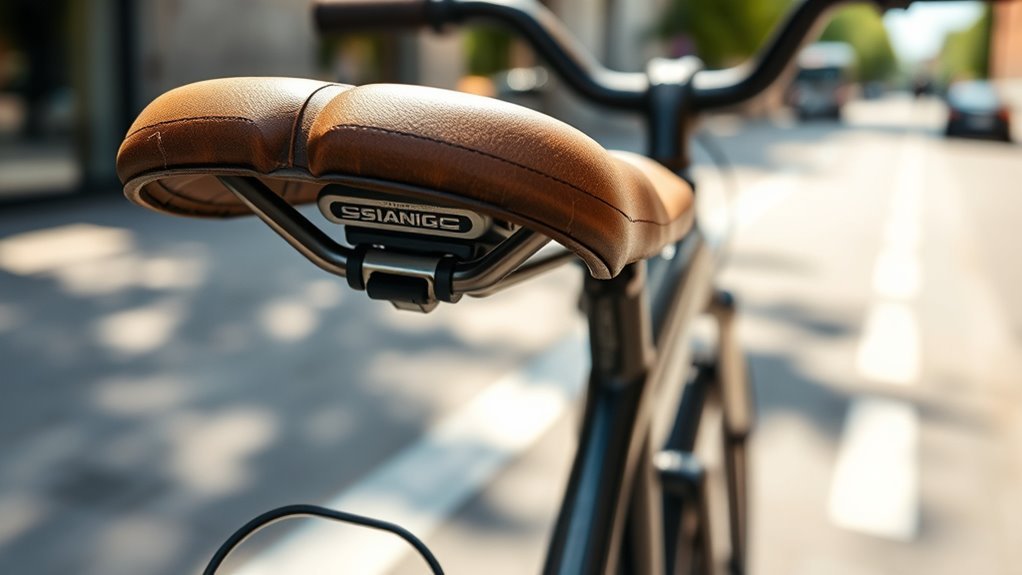
You’re uncomfortable on your bike seat because traditional designs put too much pressure on soft tissues and your perineal area. These narrow, elongated shapes push your weight forward, causing nerve compression and numbness. It’s no wonder so many riders complain about pain and discomfort after just a short ride.
Soft padding might seem like a good idea at first, but it often makes things worse by letting your sit bones sink too deeply. This can increase pressure on sensitive areas instead of relieving it.
Plus, if your bike isn’t fitted properly—like having the wrong saddle height or handlebar position—it only adds to the problem.
But don’t worry, adjusting your setup and choosing the right saddle can make a huge difference. Keep reading to discover simple tips and fixes to help you ride comfortably again.
Key Takeaways
- Traditional bike seats put too much pressure on soft tissues and perineal areas. This often causes discomfort and numbness.
- Narrow, elongated saddle shapes make things worse by increasing pressure on sensitive nerves and arteries in the pelvic region.
- Soft padding might seem comfy, but it actually lets your sit bones sink in. That can worsen nerve compression and reduce the proper support you need.
- If your saddle tilt, height, or position is off, it can really intensify pressure on soft tissues and cause pain.
- Plus, a poor bike fit—like handlebar placement—can mess with your pelvic positioning. That just adds to the discomfort.
Why Traditional Bike Seats Cause Pain and Discomfort
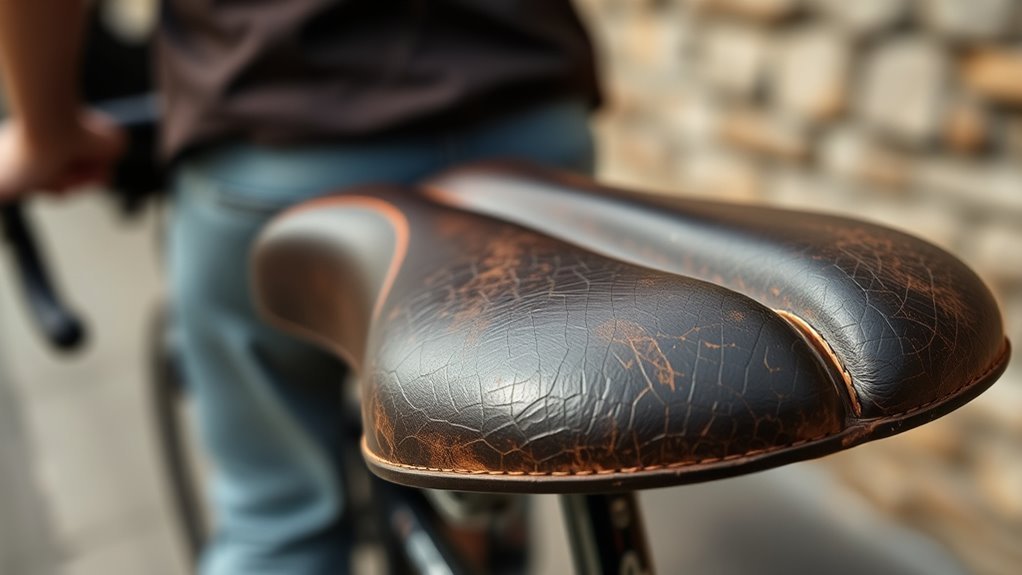
Although traditional bike seats might seem adequate at first, they often cause pain and discomfort by placing too much pressure on your soft tissues and perineal areas. The typical saddle design features a narrow, elongated shape that increases perineal pressure, especially during aggressive riding positions.
Because these saddles lack proper support for your sit bones, you experience nerve compression and numbness. The soft padding, instead of offering pressure relief, lets your sit bones sink in, worsening perineal nerve and artery compression.
Older saddle shapes often include minimal or ineffective saddle cut-outs, which fail to alleviate pressure on sensitive soft tissue. Additionally, longer saddle noses push your weight forward onto the perineum, amplifying discomfort.
How to Improve Comfort Through Riding Position and Bike Fit
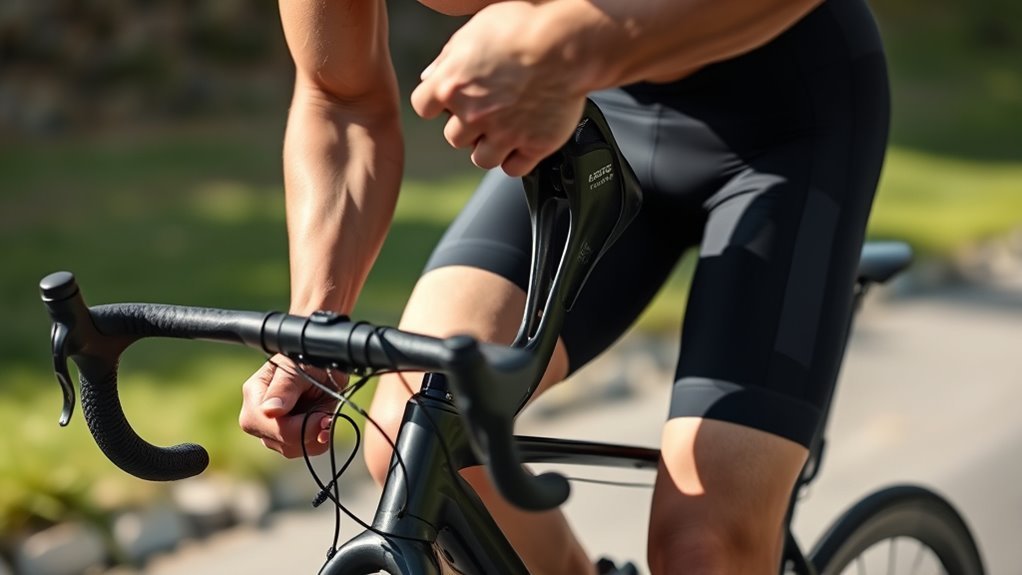
When you adjust your bike fit and riding position properly, you can markedly reduce pressure on sensitive areas and boost overall comfort. Start by setting the correct saddle height to guarantee efficient pedaling and minimize pressure points.
Proper bike fit and riding position significantly reduce pressure and enhance overall comfort.
Next, fine-tune the saddle tilt and fore-aft position to prevent excessive soft tissue compression. The right saddle shape, based on your sit bone measurement, provides stable pelvic support and reduces discomfort.
Adjusting handlebar position influences pelvic rotation, helping alleviate pressure on the vulvar and perineal areas, especially for women. Proper handlebar height and reach promote a more natural posture, decreasing numbness and chafing.
Regular bike adjustment sessions allow you to refine these elements for maximum comfort. Gradually increasing your riding duration lets your body adapt to the new pressure distribution, reducing soreness over time.
Frequently Asked Questions
How Can I Make My Bike Seat More Comfortable?
You can make your bike seat more comfortable by adjusting its height, tilt, and position. Finding the right fit can make a big difference.
Also, choosing a saddle that fits your sit bones really helps. Wearing padded shorts adds extra comfort, too.
And don’t forget to gradually increase your ride time. This gives your body a chance to adapt without discomfort.
What Is the 75% Rule in Cycling?
Think of the 75% rule as your bike’s secret handshake—set your saddle height so your knee bends about 75% at the pedal’s lowest point.
This boosts power and comfort while protecting your joints during rides. It’s a simple tweak that makes a big difference.
What Is Cyclist Syndrome?
Cyclist syndrome is a condition you get from prolonged pressure on your perineal area while cycling. It can cause numbness, pain, and nerve damage.
Do Bike Seats Ever Stop Hurting?
Yes, your bike seat can stop hurting once your body adapts and you find the right fit.
Adjust your saddle position, try different types, and give yourself time.
Persistent discomfort usually fades with proper adjustments and patience.
Conclusion
You might think bike seats are just poorly designed, but the real culprit is often your riding position and bike fit. When you adjust your seat height and angle and find a posture that suits your body, you can ease much of that discomfort.
Don’t just blame the seat—try tweaking your setup first. You’ll likely find that a small change makes a big difference, turning pain into smooth, enjoyable rides.
Comfortable bike seats start with the right fit. Paying attention to your riding position can transform your cycling experience. So before you buy a new seat, experiment with adjustments to seat height, angle, and posture. These simple changes often relieve pressure and prevent soreness, making your bike seats feel much more comfortable. Remember, a good bike fit is key to happy, pain-free rides!