
10 Factors That Affect How Much a Bike Tune Up Does Cost
Several factors influence how much your bike tune-up will cost, including the bike’s condition, type, and the complexity of its components like hydraulic brakes or e-bike systems.
Labor rates, parts replacements, and specialized diagnostics can raise prices.
Frequent riding, environmental wear, and timing affect how extensive service needs to be.
Also, shops’ expertise and your maintenance habits impact overall expenses.
Keep exploring to uncover all the details that can help you budget effectively.
Understanding these factors will make it easier to plan and avoid surprises when getting your bike tuned up.
Key Takeaways
- The bike’s overall condition and wear level directly influence the complexity and cost of the tune-up. If your bike has been through a lot, it might need more work, which can add up.
- Labor rates and the time required for services vary by shop and affect total tune-up expenses. Different places charge differently, so it’s worth shopping around.
- Replacement of worn parts like chains, brake pads, and tires increases the overall cost. If these parts are shot, you’ll have to pay extra to get them fixed or replaced.
- Specialized bikes (e-bikes, full-suspension) require extra diagnostics and skilled labor, raising prices. These types of bikes just need more attention, which means more time and money.
- Frequent riding, environmental conditions, and maintenance timing impact tune-up frequency and associated costs. The more you ride and the tougher the conditions, the more often you’ll need tune-ups.
How Much Does a Bike Tune-Up Cost?
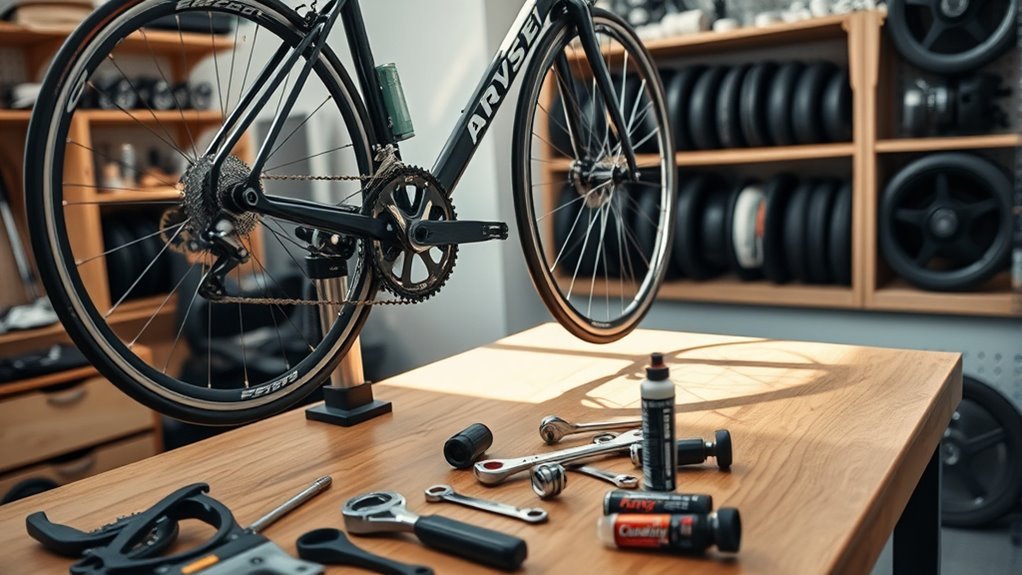
Although bike tune-up costs vary widely, you can generally expect to pay between $135 and over $200 depending on the shop and services you choose. When deciding on a bike tune-up, you’ll find that service levels play a big role in the price.
Basic tune-ups often start around $75 to $150, covering essential adjustments and safety checks. If you want a more thorough overhaul, expect tune-up costs to climb, sometimes reaching $300 or more.
Shops may charge differently for similar services, with some local places adding up to $50 extra. Also, keep in mind that additional work like wheel truing, replacing components, or suspension maintenance will increase the overall bill.
If your bike is a complex model, like an e-mountain bike or a high-end design, you’ll likely face higher tune-up costs due to the specialized care required. Understanding these factors helps you budget smartly for your bike’s maintenance.
What Tune-Up Level Matches Your Bike’s Condition?

Choosing the right tune-up level depends largely on your bike’s current condition and how you use it. If your bike is well-maintained with minimal wear, a basic tune-up costing between $75 and $150 might be enough. This level of service focuses on minor adjustments to keep everything running smoothly.
For bikes with higher mileage or some dirt buildup, a mid-range tune-up—priced around $150 to $250—is a better fit. This includes more thorough work like wheel truing and cleaning the drivetrain to enhance performance and longevity.
If your bike has been neglected, is heavily used, or has older components, a full overhaul costing $300 or more is recommended. This all-encompassing level of service involves extensive repairs and component replacements.
Evaluating your bike’s condition carefully helps you choose the appropriate tune-up level. That way, your ride stays safe and efficient without overpaying for unnecessary services.
How Do Bike Type and Components Affect Tune-Up Price?

Your bike’s type and components play a big role in tune-up costs because more complex bikes need extra time and skill. Worn parts can add to the price since they often require replacement or detailed adjustments.
If you have an e-bike, expect additional diagnostic work that can increase the overall service fee. It’s just part of the process with those extra electronic parts.
Bike Complexity Impact
Because complex bikes like full-suspension mountain bikes and e-bikes involve specialized skills and extra time, their tune-up costs tend to be higher. The bike complexity directly impacts the labor involved, especially if you need a full overhaul.
For example, e-bikes require software diagnostics and motor adjustments that add to the price. If your bike has high-end components like hydraulic brakes or electronic shifting, expect additional labor since these systems demand careful calibration.
Bikes with multiple gears and intricate drivetrains also take longer to service, increasing costs. When you bring in a bike with advanced suspension or custom setups, the mechanic needs extra tools and expertise, which reflects in the tune-up price.
Understanding this helps you anticipate what your bike’s complexity means for your wallet.
Component Wear Influence
When bike components show significant wear or belong to high-end models, tune-up costs tend to rise due to the extra care and expertise required. If your chain is worn or brake pads are damaged, the mechanic will need to spend more time replacing or adjusting these parts, increasing labor costs.
High-end bikes with specialized components often need precise calibration and careful handling, which adds to the price. Plus, complex parts like hydraulic brakes or suspension systems demand extra expertise, affecting the final tune-up fee.
The type and condition of your bike’s components directly influence the scope of work, so keeping parts like the chain and brake pads in good shape can really help control tune-up expenses. It’s worth a little maintenance now to save some bucks later!
E-Bike Diagnostic Needs
Although e-bikes share many components with traditional bikes, their diagnostic needs make tune-ups more complex and costly. You’ll need specialized diagnostics software and firmware updates, which add to labor costs.
Hydraulic brakes and high-end electronics require more time and expertise. E-mountain bikes demand extra motor and battery system checks, further increasing expenses. Different bike types need unique tools, so labor rates for e-bikes tend to be higher than standard bikes.
| Factor | Impact on Tune-Up Cost |
|---|---|
| Software diagnostics | Adds time, requires expertise |
| Firmware updates | Increases labor costs |
| Hydraulic brakes | More complex servicing |
| Motor & battery checks | Specialized diagnostics |
| Specialized tools | Higher labor rates |
How Does Wear and Tear Influence Service Needs?
When your bike shows signs of wear, like stretched chains or worn brake pads, you’ll need more frequent repairs and parts replacements. The more you ride, the faster components wear out, increasing your tune-up costs.
Paying attention to these issues helps you avoid bigger problems down the road. It’s like catching small things early before they turn into expensive fixes. Staying on top of maintenance keeps your bike running smoothly and saves you money in the long run.
Component Wear Impact
Since your bike’s components endure constant stress, their wear and tear directly influences the tune-up process. When you have significant component wear, parts like chains, cassettes, brake pads, and bearings often need thorough cleaning, adjustment, or outright replacement.
Worn drivetrain parts, especially stretched chains, may require full parts replacement, which drives up both time and cost. Frayed cables or cracked brake pads also add to labor and parts expenses during your tune-up.
The more deterioration your bike shows, the more complex the service becomes, meaning mechanics must spend extra effort disassembling, inspecting, and swapping out damaged components. Understanding this helps you see why a bike with heavy wear and tear demands a pricier tune-up compared to one with minimal issues.
Increased Repair Frequency
Component wear doesn’t just affect individual parts—it also means you’ll need repairs more often. As wear and tear accumulate, repair frequency rises because components like cables, chains, and brake pads suffer from fatigue and degrade faster.
If you ride frequently or in harsh conditions, you’ll notice drivetrain parts demanding more attention, including cleaning and adjustments to prevent failure. Component fatigue intensifies with mileage, pushing shops to recommend thorough tune-ups rather than simple fixes.
This increased repair frequency directly impacts how much your bike tune-up costs since more labor and parts are involved to keep your bike safe and efficient. Staying on top of wear and tear helps manage repair frequency, but the more you ride, the more you’ll face these growing service needs.
Parts Replacement Necessity
Although regular maintenance can extend your bike’s lifespan, worn or damaged parts will eventually need replacement during a tune-up, which raises the overall cost. Wear and tear, especially from heavy use or aging bikes, means more parts may require immediate attention or replacement to keep your bike running smoothly.
Key components like chains, brake pads, and tires often show wear first and can notably impact tune-up expenses. High-end bikes might cost more due to specialized parts needing replacement.
Consider these factors related to parts replacement necessity:
- Chains and cassettes wear out, affecting shifting performance.
- Brake pads degrade, reducing stopping power.
- Tires wear, risking flats or poor traction.
- Premium parts increase replacement costs.
- Frequent wear leads to recurring replacements and higher tune-up bills.
How Much Do Shops Charge for Labor?
When you bring your bike in for a tune-up, labor costs can vary widely depending on the shop and the work involved. Labor rates for bike service typically range from $50 to $100 per hour at general shops, while specialty or high-end centers may charge up to $150 per hour.
Labor costs for bike tune-ups vary widely, ranging from $50 to $150 per hour depending on the shop and service level.
Your tune-up cost depends largely on the complexity of the work. Basic tune-ups usually take one to two hours, so you can expect labor charges between $50 and $200.
However, if your bike requires more detailed work like wheel truing, bearing adjustments, or suspension servicing, labor costs will increase because these tasks take more time and expertise.
Shops with highly experienced mechanics or specialized equipment often have higher labor rates, reflecting the quality of their service. Understanding these factors helps you anticipate how much labor might add to your overall bike tune-up cost.
Are Parts and Supplies Included in the Tune-Up?
Since bike tune-up packages vary, you’ll want to check whether parts and supplies are included before committing. Many shops cover basic parts like cables and housing in standard tune-ups, but more expensive or specialized services often require you to pay for additional parts separately.
Replacement parts such as chains, brake pads, or tires are usually not included and billed apart from labor. Supplies like lubricants and cleaning products may be included or charged separately depending on the shop’s policy.
Here’s what to clarify with your bike shop:
- Which parts are included in the tune-up package
- If basic supplies like lubricants and cleaners are covered
- How replacement parts are priced and billed
- Whether estimates itemize parts and supplies separately from labor
- If specialized or complex repairs require additional charges
Knowing what’s included helps you avoid surprises and budget accurately for your bike’s tune-up. It’s always better to ask upfront so you’re not caught off guard later.
When Does Your Bike Need Specialized Mountain Bike Service?
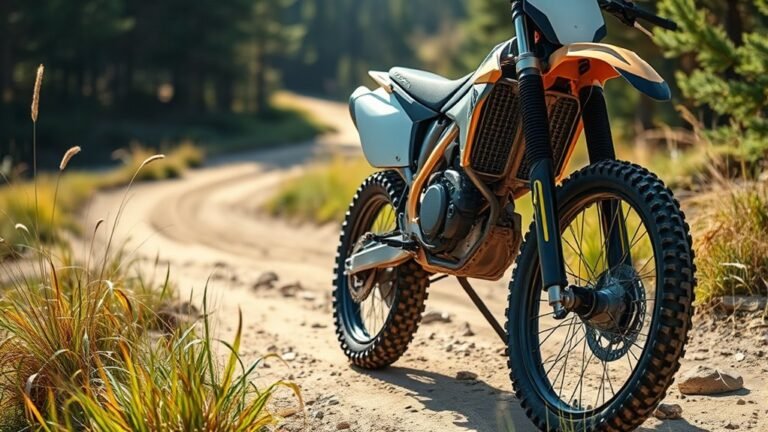
You’ll need specialized mountain bike service if you notice issues with your suspension or brakes, as these require expert care. E-MTBs often need diagnostic checks and motor calibration that standard bikes don’t.
Paying attention to these signs guarantees your bike stays safe and performs well on tough trails. It’s all about keeping your ride smooth and reliable out there.
Signs You Need Service
If your mountain bike starts showing persistent brake squeal, unresponsive shifting, or wobbling wheels that don’t improve with basic tweaks, it’s time to seek specialized service. Ignoring these signs can worsen the damage and increase repair costs.
You should schedule professional brake service to address squealing, and drivetrain degreasing to fix slipping gears. Wheel truing is essential when your wheels wobble or you frequently experience flat tires.
Watch for these signs needing expert attention:
- Persistent brake noise or reduced stopping power
- Skipping gears or chain slip during rides
- Wobbling wheels or frequent tire flats
- Unusual creaking or loose pivots
- Suspension showing uneven movement or leaks
Catching these early helps keep your bike safe and performing well. Don’t wait until a small problem turns into a big one!
Suspension And Brake Care
When your mountain bike features suspension and hydraulic brakes, it demands specialized service to keep everything working smoothly. Suspension service involves inspecting, cleaning, and lubricating shocks and forks to maintain performance and prevent damage.
Hydraulic disc brakes require careful bleeding and occasional pad replacements, which are more complex than standard rim brake adjustments. Because of these intricate components, servicing your bike’s suspension and hydraulic disc brakes takes more time and expertise, often increasing labor costs compared to a basic tune-up.
You should schedule full drivetrain and suspension service every 50 to 200 hours of riding or at least annually, depending on how hard you ride and the conditions. Keeping up with this specialized maintenance guarantees your mountain bike performs reliably and safely on every trail.
E-MTB Diagnostic Requirements
Because electric mountain bikes (E-MTBs) combine mechanical and electronic systems, they demand specialized diagnostic tools and expertise during tune-ups. When you bring your E-MTB in, technicians perform software diagnostics and firmware updates to guarantee everything runs smoothly.
The presence of electronic components like motors and batteries means service takes more time and skill, often increasing labor costs. Hydraulic brakes and other advanced parts require extra calibration and testing. Regular maintenance prevents costly motor and battery failures, so don’t skip it.
Key diagnostic requirements for your E-MTB include:
- Software diagnostics to detect issues
- Firmware updates for peak performance
- Calibration of hydraulic brakes
- Testing of electronic components
- Inspection of motor and battery health
Does the Shop’s Reputation Affect Tune-Up Quality?
Although higher prices might give you pause, reputable bike shops often deliver better tune-up quality thanks to experienced technicians and advanced equipment. When you choose a shop with a strong reputation, you’re likely tapping into the skills of experienced mechanics who perform thorough diagnostics and detailed inspections.
This attention to detail guarantees your bike receives thorough care, reducing the chances of missed issues.
A shop’s reputation often reflects its commitment to quality, supported by positive customer reviews and recommendations. Such shops tend to use premium parts and offer specialized services, which can raise costs but also enhance the overall tune-up outcome.
What Is the Local Bike Tune-Up Price Range?
If you’re wondering how much a bike tune-up might cost in your area, prices typically range from around $135 to over $200. The bike tune-up cost depends largely on the local shop you choose and the range of services they offer.
Some shops charge up to $50 more than others for similar tune-ups, reflecting differences in service detail, bike type, or shop reputation. Understanding the local bike tune-up price range helps you find the right balance between quality and budget.
Here’s what affects the price range at your local shop:
- Basic tune-ups usually start around $135
- Extensive or high-end tune-ups can exceed $200
- Prices vary by included services and bike complexity
- Shops with strong reputations may charge more
- Local market conditions influence cost fluctuations
Knowing these points lets you anticipate the bike tune-up cost and choose wisely. It’s all about getting good value without paying more than you need to.
How Often Should You Get Your Bike Tuned Up?
When you ride regularly, scheduling a basic bike tune-up every 3 to 6 months keeps your bike running smoothly. It also helps you avoid unexpected breakdowns.
Your riding conditions and bike type influence how often you need maintenance. High-mileage riders should consider tune-ups every 2 to 3 months. Meanwhile, electric and mountain bikes with complex parts often require checks every 1 to 3 months.
If you ride seasonally or store your bike, getting a tune-up before and after storage is wise.
| Riding Conditions | Tune-Up Frequency |
|---|---|
| Regular riding | Every 3-6 months |
| High mileage | Every 2-3 months |
| Electric bikes | Every 1-3 months |
| Mountain bikes | Every 1-3 months |
| Seasonal/infrequent use | Before & after storage |
Regular maintenance ensures your bike performs at its best. Plus, it helps you avoid costly repairs down the line.
Frequently Asked Questions
What Should a Bike Tune-Up Cost?
A bike tune-up should cost you between $75 and $150 for basic service. If you want a full overhaul or specialized work, expect to pay $200 or more.
You’ll get better performance and safety. It’s definitely worth investing in to keep your bike running smoothly.
Is It Worth Paying for a Bike Tune-Up?
Absolutely, you’ll find a bike tune-up worth every penny, much like a knight values his trusty steed’s upkeep.
It boosts safety, extends component life, and prevents costly repairs.
Plus, it keeps your rides smooth and hassle-free.
What Does a Typical Bike Tune-Up Include?
A typical bike tune-up includes adjusting your brakes and derailleurs, lubricating the chain, tightening bolts, and checking hubs, headset, and bottom bracket.
Some shops also replace cables or true your wheels for smoother rides. It really depends on what your bike needs and how deep you want to go with the tune-up.
How Much Should a Full Tune-Up Cost?
You should expect to pay between $150 and $300 for a full bike tune-up. Prices vary based on service level and shop rates, but this range covers basic maintenance like wheel truing and drivetrain cleaning.
Keep in mind, some shops might charge a bit more if they include extra services or use premium parts. So, it’s always good to ask what’s included before you commit.
Conclusion
When your trusty bike starts feeling rough just as the seasons change, it’s no coincidence—it’s time for a tune-up. Whether you ride a sleek road bike or a rugged mountain machine, keeping it in top shape is key.
Knowing how factors like wear, shop reputation, and labor costs affect your bill helps you make smart choices. These things can really change how much a bike tune up does cost, so it’s good to be aware.
So, next time you hear that familiar creak, remember: a well-tuned bike means smoother rides and fewer surprises on the road. Understanding what affects your tune-up price lets you plan better and keep your bike ready for every adventure. After all, regular maintenance is the secret to enjoying every ride, no matter the terrain or season.